Varastotuonneissa tarvitaan vahvistetut koodit, sijainnit ja laskentayksiköt
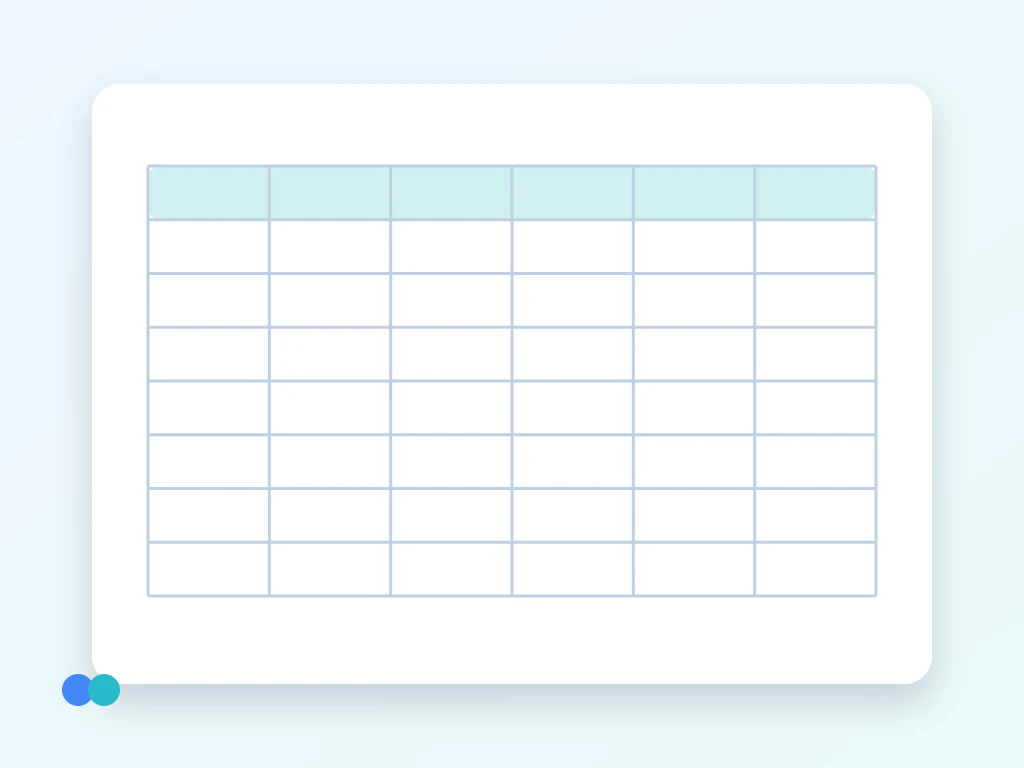
Muunna kuvattu laskentalomake tarkistettavaksi CSV-tiedostoksi, jonka voi kohdistaa varastotietojen tuontiin. Säilytä tuote- ja sijaintitunnisteet tekstinä ja ratkaise laskentayksiköiden erot ennen tiedoston käyttämistä varastosaldojen päivitykseen.
Valmistellaan varastolaskennan tuontia
Palauta taulukon merkinnät, tarkista hyllypaikkojen ja SKU-tunnusten vastaavuus ja muokkaa tarkistetut sarakkeet varastojärjestelmän tuontimallipohjaan sopiviksi.
Eri sijaintien laskentamäärien yhdistäminen
Lisää tarkistettuihin tiedostoihin vahvistetut sijaintitiedot ennen niiden yhdistämistä, jotta eri lokeroissa olevat saman tuotetunnuksen tuotteet voi erottaa toisistaan.
Valmistele laskentataulukon rivit järjestelmäsi mallipohjaan
- Tallenna koko laskentataulukko sijainti- ja yksikkötietoineen.
- Korjaa koodit, käsin kirjoitetut määrät ja yliviivauksista kärsineet rivit.
- Vie tiedot CSV-muodossa, sovita ne kohdepohjaan ja tarkista ehdotetut varastomuutokset erikseen.
Alkunollalliset SKU-koodit, eri yksiköt ja yliviivatut varastomäärät
- Korvaako inventaariolomakkeesta CSV:ksi -toiminto varastosaldot?
- Ei. Se tuottaa ladattavan tiedoston. Varaston päivittäminen tehdään tarkistuksen jälkeen erillisenä toimintona omassa järjestelmässäsi.
- Miten säilytän alkunollalliset SKU:t CSV-tiedostossa?
- Tarkista poimitut merkit ja määritä kohdetuonti käsittelemään SKU-kentät tekstinä eikä numeroina.
- Voivatko laatikkomäärät ja yksittäiskappaleet käyttää samaa määräsaraketta?
- Vain jos niiden merkitys säilyy yksiselitteisenä. Säilytä yksikkösarake tai yhdenmukaista määrät itse tarkistettujen pakkauskokojen avulla ennen varastotietojen tuontia.
- Tulkitaanko yliviivatut määrät korjatuiksi arvoiksi?
- Tunnistus voi tulkita jommankumman merkin tai molemmat. Tarkista jokainen korjaus alkuperäisestä taulukosta ja vahvista oikea määrä käsin.