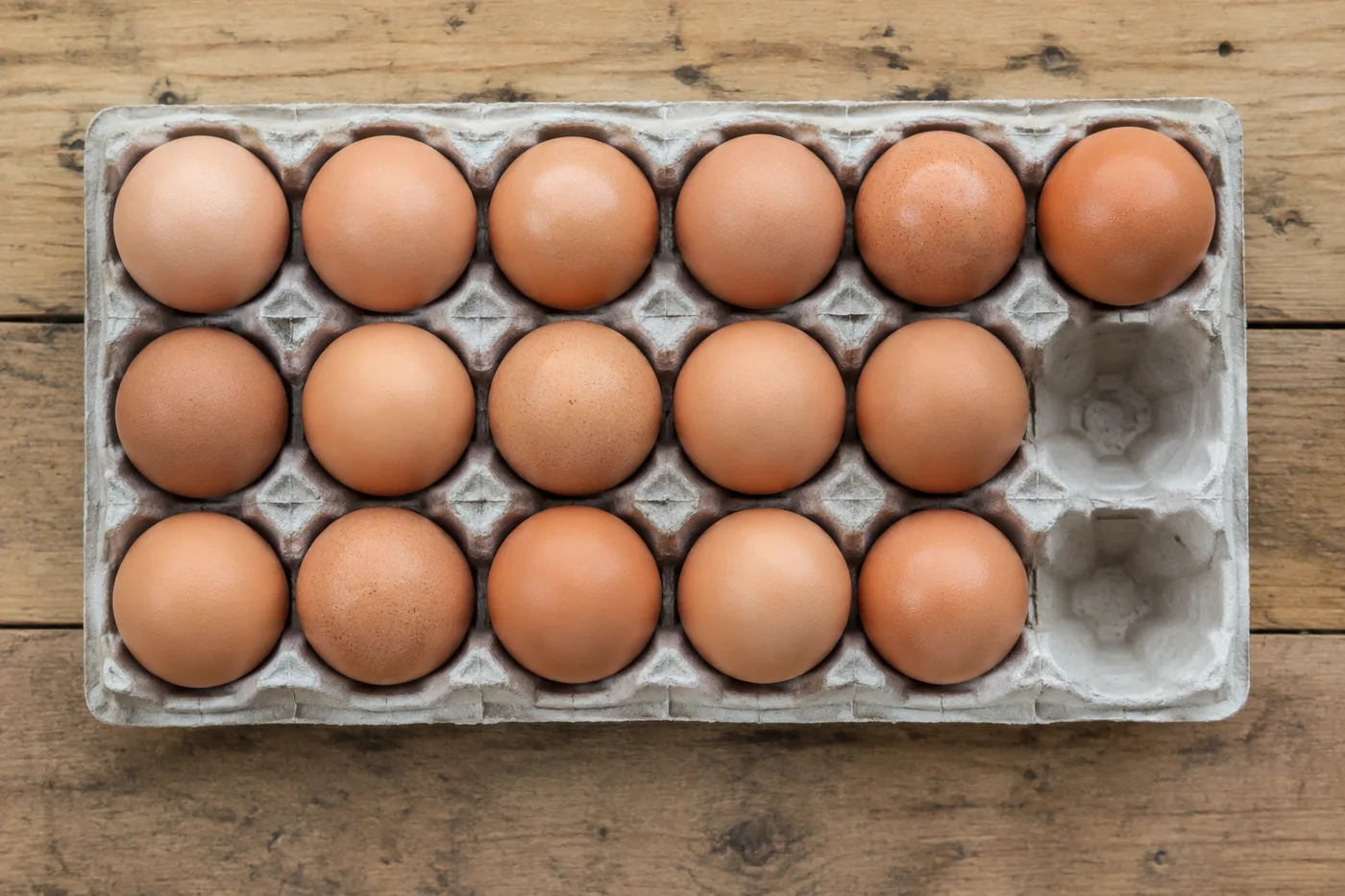
写真の中の卵を数える — AI Egg Counter
JPG、PNG、WEBP の各画像形式に対応 · 無料プランは 20 MB まで、Premium プランは 50メガバイト まで処理できます
Photograph the trays or collection table, upload the photo and review the tally markers against the photo. Built for daily production tallies and dispatch checks.
- 写真を確認して、見えている卵を数えてください
- Upload a photo and get an automatic count
- Review the markers to catch eggs counted twice or missed
- 無料で利用可能 · 登録不要 · 透かしなし
画像をアップロード
正確にカウントするためのコツ
• 卵全体がフレーム内に収まる、明るさが均一な写真を使用してください
• Keep your eggs visible and avoid overlapping items
• ドットとヒートマップで採用された検出結果を表示 — 集計を確認・修正してください
卵カウンターについて
The egg counter counts visible eggs from your photo and marks detections for review. Counting starts automatically once the photo and item are ready. Visibility, overlap and similar-looking items can affect the total. Built for poultry farms, hatcheries and food producers.
使い方
1. 卵を撮影します
2. Upload your photo to count eggs automatically
3. Review the markers and correct the tally if needed
4. 集計シートに追加し、カウント結果を CSV でエクスポート
こんな用途に最適
• 日次の生産集計
• 出荷・注文ドラフトの確認
• 孵化場の入卵カウント
• 露店の在庫チェック
卵カウンター でできること
始める前に、主な機能を確認してください。
- トレイまたは収集テーブル上の卵を数える
- サポートされている画像から毎日の生産量を集計する
- カウントされた各卵マーカーを確認し、集計を修正
- 1 回の一括パスで複数のトレイを監査
- ラベル付きバッチ全体で実行中の集計を維持する
- 密な配置の精度を上げたい場合は、卵を任意でマークしてください
設定リファレンス
14 設定
卵カウンター で使用可能なコントロール。
アップロード
- 写真1枚 / 一括集計プリセット
- 写真の枚数を 1 枚にするか、プレミアム一括監査を選択します。すべての結果を確認します。オプション: 単一の写真一括監査
数
- 含まれるマーカースライダーレンジ: 0–1 · デフォルト: 0.21
- 21%から開始します。「さらに表示」側にスライドすると弱いマーカーも含め、「最も強いもののみ」側にスライドすると非表示にできます。
- オーバーレイスタイルプリセット
- ドット、ヒートマップ、その両方、またはクリーンなプレビューを選択します。オプション: 両方ドット熱なし
詳細設定
- 結果オーバーレイドロップダウン
- Choose how count markers appear in the on-screen preview; the download keeps its own markers.オプション: ドット+ヒートマップドットのみヒートマップのみ
集計
- 集計に追加ワンクリック
- Add this count to the tally sheet under the name of the object that was counted. Signed-in accounts add finished counts automatically unless that is turned off under Account settings; in bulk mode every photo also has its own Add to tally button.
- ラベルテキスト入力
- Rename a tally row. Edits and removals wait until you choose Save changes, so you can fix several rows at once.
- 数数値入力
- Correct a row's count; totals, the chart and exports follow once the change is saved.
- Save changesワンクリック
- Apply every edited or removed tally row in one step, or choose Discard changes to leave the sheet as it was.
Chart
- By objectプリセット
- The chart is the same in every counting tool and covers the tallies of all of them. By object draws a separate line chart for each tally name, such as pipes and people. By tool draws a chart for each counting tool.オプション: By objectBy tool
- 期間プリセット
- Choose how far back the chart looks. Days without a count appear as zero.オプション: 7 days30 days90 days12 months
History
- Counting setupギャラリー
- Keep comparable counts together. A first setup is created for you, so the first count can be saved straight away.
- Observed atテキスト入力
- The date and time of the count, shown as a date and a time field.
- 音符テキスト入力
- Starts with every detected object and its count, one per line, such as Pipes - 11. Edit it before saving.
- Save countワンクリック
- Save the count to your account history. Open a saved count later to correct it or download its source photo.
卵カウンター の関連ツール
卵カウンター の後の一般的な次のステップのためのツール。
よくある質問
卵カウンターでできること
ビジネス、クリエイター、日常業務など、実際の問題を毎日解決します。自分に合ったユースケースを見つけて始めましょう。
孵化場の日次セッティングシート
孵卵器に入れる際にトレイを撮影し、「類似アイテム」モードを使用するとAIが集計案を作成します。マーカーを実際のトレイと比較し、孵化記録に追加する前に各集計を修正してください。
農産物直売所・ファーマーズマーケットの在庫確認
屋台に積み込む前に、その日のカートンの仮集計を作成し、実際の在庫と照らし合わせて確認・修正します。閉店時には、売れ残ったトレイについても同じ確認済みの手順を繰り返してください。
複数鶏舎の生産集計
「一括監査」を開いてすべてのトレイの写真に「個別の対象物」モードを実行し、その日の合計をまとめる前に、マークされたすべての結果を確認してください。
出荷指示の確認
AIの結果は発注書と照合するための下書きとして使用してください。そのうえで実際の卵を手作業で確認し、集計を修正したうえで、通常の出荷承認手順に従ってください。マーク付き写真は確認作業の助けにはなりますが、それ自体が数量の証明にはなりません。
サイズ混在の卵の等級記録
Switch Counting mode to Distinct objects when a tray mixes egg sizes or colors so every separate egg is boxed; for a size-by-size breakdown instead of one combined number, mark one example per grade in Similar items and read Found per example.
家庭飼育の鶏の産卵記録
巣箱を毎日撮影すると、AIが概算を推定します。見えている卵を確認して集計を修正したうえで、確認済みの結果を産卵傾向のログに追加してください。
変換結果を一つずつ確認
すべての写真はスラッシュをそのまま通過し、反対側が完成して出てきます。