Cosa puoi fare con Generatore di password
Esamina le funzionalità principali prima di iniziare.
- Genera password casuali sicure all'istante
- Crea passphrase facili da ricordare con parole reali
- Imposta la lunghezza esatta, fino a 128 caratteri
- Combina lettere, numeri e simboli come vuoi
- Escludi i caratteri ambigui e simili tra loro
- Verifica la robustezza della password con l'entropia dal vivo
Riferimento alle impostazioni
13 impostazioni
Controlli disponibili per Generatore di password.
Impostazioni
- Caratteri casuali / Passphrase (parole)Preimpostazioni
- Alterna fra una password di caratteri casuali mescolati e una passphrase composta da parole casuali del dizionario, più facile da ricordare e da digitare pur restando robusta.Opzioni: Caratteri casualiPassphrase (parole)
- LunghezzaCursoreIntervallo: 8–128chars · Predefinito: 20chars
- Imposta quanti caratteri contiene la password casuale; 16-20 vanno bene per la maggior parte degli accessi, mentre valori più alti creano chiavi estremamente lunghe per i sistemi più esigenti. Visibile in modalità Caratteri casuali.
- ParoleCursoreIntervallo: 3–12words · Predefinito: 6words
- Imposta da quante parole casuali è composta la passphrase; il valore predefinito di 6 bilancia facilità di memorizzazione e protezione robusta. Visibile in modalità Passphrase.
- SeparatoreMenu a discesa
- Sceglie il carattere inserito tra le parole della passphrase; i trattini o i punti sono i più facili da riscrivere senza errori, e alcuni moduli di accesso rifiutano gli spazi. Visibile in modalità Passphrase.Opzioni: trattino ( - )punto ( . )trattino basso ( _ )spazio ( )Nessuno
- Iniziale maiuscola per ogni parolaAttivo / Disattivo
- Inizia ogni parola della passphrase con una lettera maiuscola, soddisfacendo i siti che richiedono un carattere maiuscolo senza rendere la passphrase più difficile da ricordare. Attivo per impostazione predefinita.
- Aggiungi un numero alla fineAttivo / Disattivo
- Aggiunge una cifra casuale alla fine della passphrase, per i moduli di accesso che richiedono almeno un numero. Disattivato per impostazione predefinita.
- RigeneraCon un clic
- Genera una nuova password o passphrase con le impostazioni correnti ogni volta che vuoi un risultato diverso.
Classi di caratteri
- Maiuscole (A-Z)Attivo / Disattivo
- Include le lettere maiuscole A-Z tra i caratteri disponibili per la password; tienilo attivo quando un sito richiede un carattere maiuscolo. Attivo per impostazione predefinita.
- Minuscole (a-z)Attivo / Disattivo
- Include le lettere minuscole a-z tra i caratteri disponibili per la password, la classe di base più comune. Attivo per impostazione predefinita.
- Numeri (0-9)Attivo / Disattivo
- Include le cifre 0-9 tra i caratteri disponibili per la password; attivalo quando un modulo di accesso richiede almeno un numero. Attivo per impostazione predefinita.
- Simboli (!@#…)Attivo / Disattivo
- Include i simboli di punteggiatura tra i caratteri disponibili per la password, per una robustezza maggiore; disattivalo per i sistemi che rifiutano i caratteri speciali. Attivo per impostazione predefinita.
Esclusioni
- Escludi i caratteri simili (i, l, 1, L, o, 0, O)Attivo / Disattivo
- Rimuove i caratteri che si somigliano, come i, l, 1, o e 0, così la password è più facile da leggere e da ridigitare senza errori. Attivo per impostazione predefinita.
- Escludi i caratteri ambigui ({} [] () /\ '"`,;:.)Attivo / Disattivo
- Rimuove parentesi, virgolette e altri segni di punteggiatura che alcuni moduli o sistemi gestiscono male; utile quando incolli la password in campi di inserimento con regole rigide. Disattivo per impostazione predefinita.
Strumenti correlati per Generatore di password
Strumenti per i passaggi successivi comuni dopo Generatore di password.
Strumenti per sviluppatori
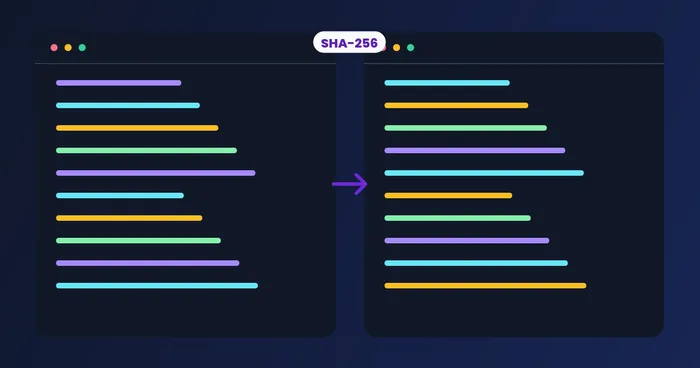
Generatore di Hash
Generate MD5, SHA-1, SHA-256, SHA-384 and SHA-512 digests from text or a file in your browser; no account is required.
Provalo oraPDF e documenti
Password PDF
Aggiungi la crittografia tramite password a un PDF o rimuovi una password conosciuta da un file che sei autorizzato a modificare.
Provalo ora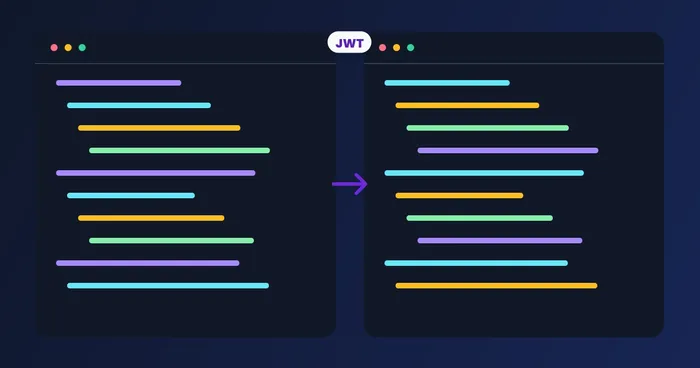
Strumenti per sviluppatori
Decodificatore JWT
Decodificare un'intestazione JWT e un payload, controllarne la scadenza e copiare i dati decodificati localmente; non è richiesto alcun account.
Provalo oraDomande frequenti
Come Generatore di password ti aiuta a portare a termine il lavoro
Problemi reali che risolve ogni giorno: per aziende, creatori e attività quotidiane. Trova il caso d'uso adatto a te e inizia.
Password principali per vault e gestori di password
Genera master password robuste e ad alta entropia per 1Password, Bitwarden, KeePass e LastPass, capaci di resistere per decenni agli attacchi di forza bruta offline
Password casuali per Wi-Fi e hotspot
Crea password Wi-Fi facili da ricordare ma sicure per router domestici, reti guest dell'ufficio e hotspot temporanei di eventi, senza dover ripiegare su "password123"
Credenziali sicure di server, SSH e database
Genera password robuste per account utente Linux, ruoli MySQL/Postgres e passphrase di chiavi SSH durante la configurazione iniziale di nuovi server di staging e produzione
Nuovi account email e social media
Genera password uniche per ogni nuovo account Gmail, Outlook, Instagram e Twitter, così la violazione di un servizio non si ripercuote mai sugli altri
Onboarding in blocco di clienti e dipendenti
Genera password temporanee monouso per account di nuovi dipendenti, accessi a portali clienti e flussi di provisioning SaaS di massa che impongono una reimpostazione al primo utilizzo
Chiavi di crittografia e passphrase di backup
Crea passphrase lunghe e prive di caratteri ambigui per proteggere volumi VeraCrypt, backup crittografati, unità BitLocker e seed di wallet crypto offline
Passphrase che puoi davvero digitare con un telecomando TV
Passa alla modalità Passphrase per i login su smart TV, console di gioco e box di streaming dove una tastiera a schermo rende penoso digitare una password casuale di 20 caratteri: una passphrase di parole separate da trattini e con iniziali maiuscole resta robusta ma è molto più veloce da inserire.
Credenziali di consegna una tantum per clienti e collaboratori
Genera una nuova password ad alta entropia quando consegni un account CMS, hosting o FTP a un cliente o collaboratore alla chiusura del progetto — attiva Escludi caratteri ambigui così la password si incolla in modo pulito in qualsiasi file di configurazione o terminale.
Blinda gli account di gaming contro il credential stuffing
Assegna a ogni account Steam, Riot, Battle.net ed Epic una propria password casuale di oltre 16 caratteri invece di riutilizzarne una su più piattaforme — le caselle delle classi di caratteri ti permettono di rispettare qualsiasi regola di composizione imposta da ciascun launcher.
Password che si leggono chiaramente sulla carta
Per una password che scriverai su un foglio di backup fisico o detterai al telefono, attiva Escludi simili per eliminare i caratteri i/l/1/L/o/0/O che vengono letti male o digitati in modo errato quando trascritti a mano.
Rotazione delle password per team regolamentati
Rotate shared credentials on schedule by generating a fresh 20+ character password with all four character classes enabled every cycle, keeping entropy high without reusing patterns.
Password di amministrazione per router e dispositivi smart home
Genera una password casuale di lunghezza massima con tutte e quattro le classi di caratteri attive per l'account admin di un router domestico, NAS o serratura smart che digiterai raramente a mano ma che deve resistere agli attacchi automatizzati di credential stuffing da internet.
Guarda ogni trasformazione applicarsi
Ogni foto attraversa la barra senza modifiche e ne esce dall'altro lato già completata.
 Miglioramento dell'intelligenza artificiale
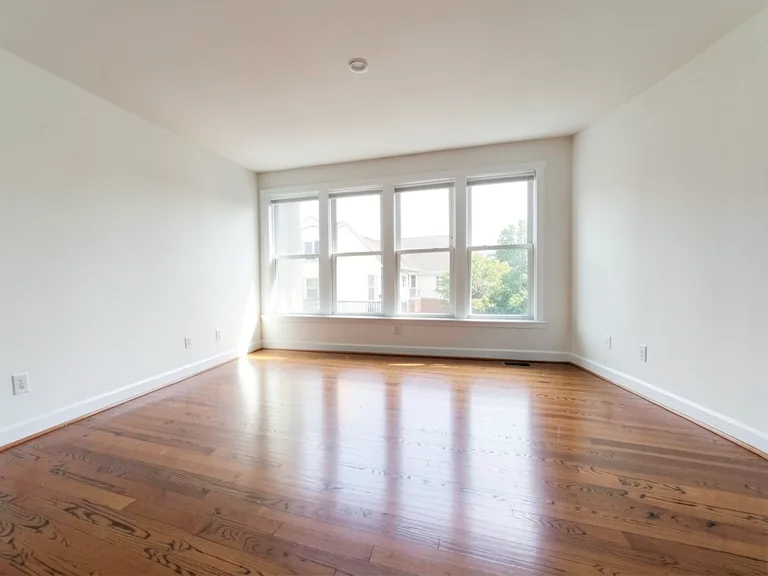 Arredamento virtuale
 Bellezza naturale
 Ritratti professionali con IA
 Flash diretto usa e getta
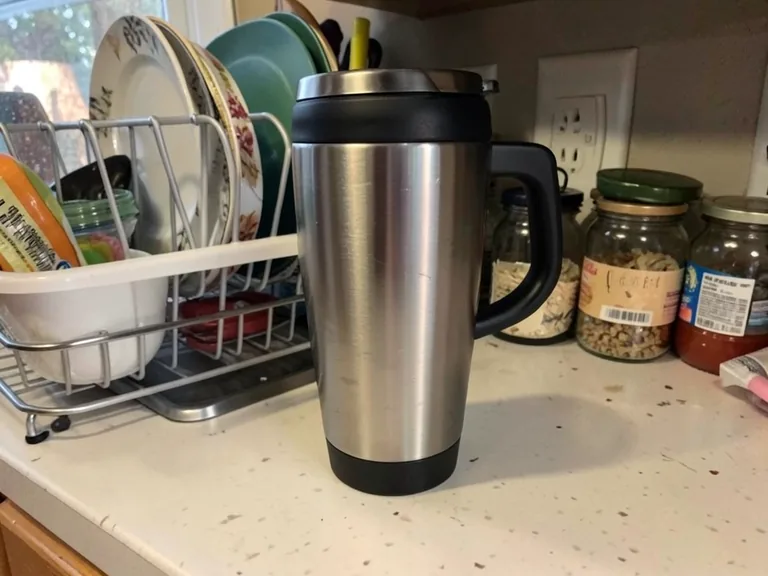 Foto per inserzioni Amazon
 Riilluminazione autentica dell'ora d'oro
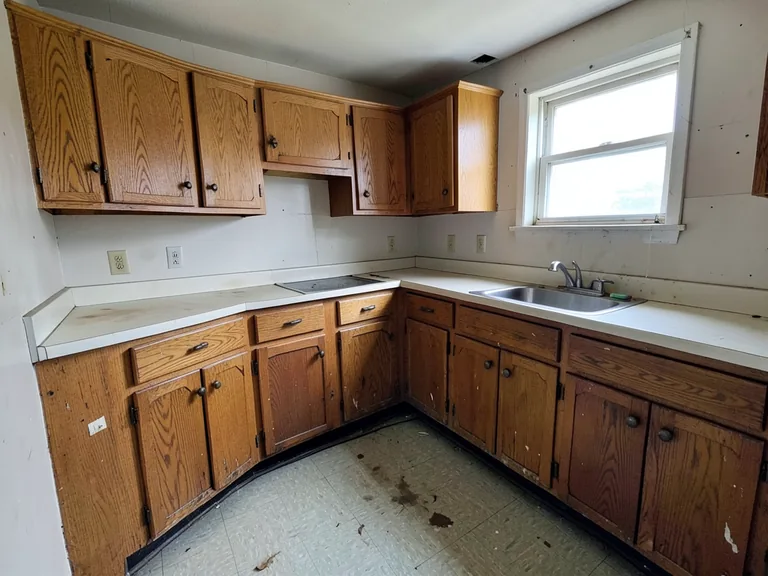 Ristrutturazione della cucina
 Rifocalizzazione Intelligente
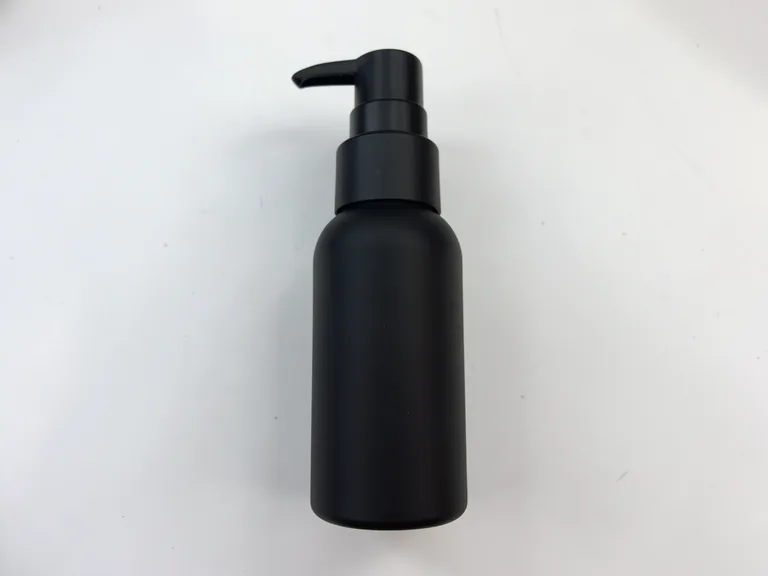 Pubblicità di prodotti
 Acquerello
 Rimozione sfondo