Organise Shared Household Receipts for Reimbursements
Turn household receipt photos into checked records for family reimbursements. Review shared amounts, avoid duplicate entries and keep private details protected.
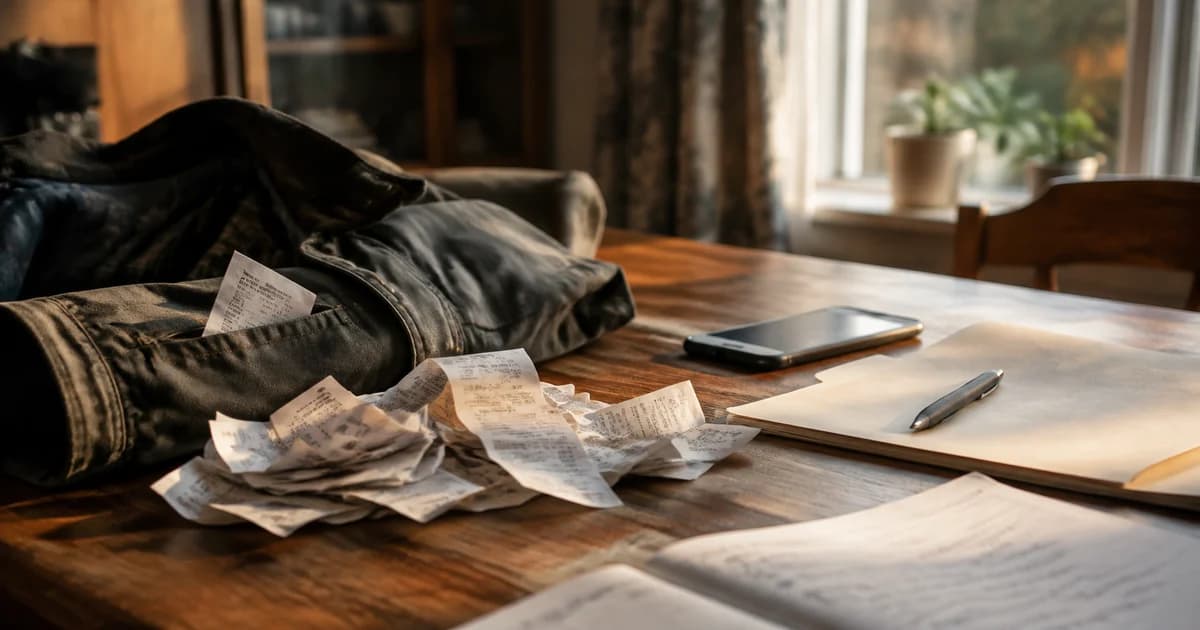
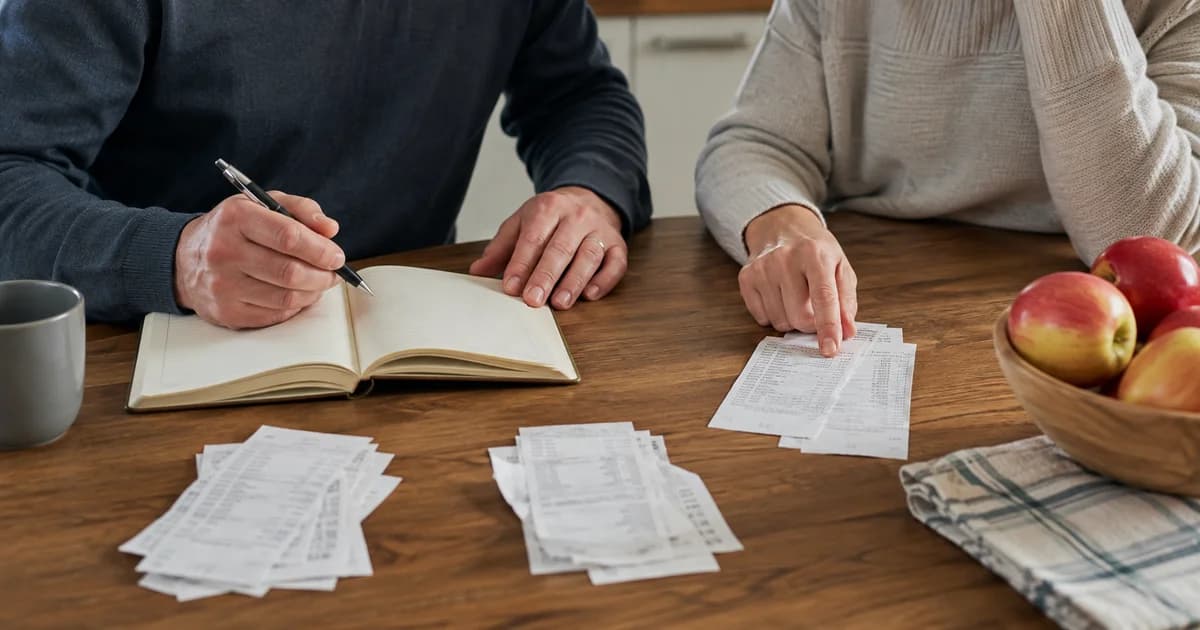
You buy groceries for a parent, your sibling pays for a replacement kettle, and someone else picks up household supplies. A month later, everybody remembers helping, but nobody has the same record of what was bought or who should be reimbursed.
A receipt scanner for shared household purchases can make the paperwork easier to check. Pixoate extracts supported receipt fields from a photo or PDF, giving you a structured starting point for an agreed household log.
Agree what belongs in the shared record
Decide who can see the receipts and what information you need: purchase date, shop, payer, total, shared amount and reimbursement status. A receipt can contain personal purchases as well as shared ones, so the full total may not be the amount owed.
For relatives supporting an older family member in the US or UK, keep the process easy to follow. One shared reference per purchase is often clearer than a stream of unlabelled photos in several chats. Obtain the person's agreement or appropriate authority before handling their records.
The extractor does not decide who owes money. That decision comes from your agreement and a review of the actual items.
How to turn a receipt photo into a checked record
- Photograph the complete receipt on a flat surface with readable text.
- Open Pixoate's receipt field extractor and upload the image or PDF.
- Compare the extracted vendor, date, currency, total and available items with the original.
- Download or copy the JSON if it fits your recordkeeping workflow.
- Add your own payer, shared amount and reimbursement status in the household log. Keep the receipt with the same reference.
If JSON is unfamiliar, you can read the displayed fields and enter the checked details into a simple spreadsheet. JSON is structured text, not a finished reimbursement form, and the tool does not submit or transfer any money.
Split a mixed purchase carefully
Imagine a receipt containing £28 of agreed household groceries and £7 of personal items. The illustrative shared amount is £28, even though the receipt total is £35. A US household could apply the same method to a dollar receipt without changing the principle.
Review discounts and delivery charges before deciding how to split them. Do not assume the extraction allocates shared costs between people. Write down the method you agreed so the next person can repeat it.
Keep dollar and pound purchases separate unless you have also agreed how currency conversion will work. Confirm ambiguous dates from the original rather than relying on your computer's default date format.
Avoid paying the same receipt twice
Before marking a purchase as unpaid, search your own log for its reference, shop and amount. An emailed receipt and a photograph of the printed receipt may describe the same transaction. Pixoate does not automatically identify that duplicate for you.
When someone is reimbursed, update the record once and keep a note of the payment reference. A clear status such as “checked, awaiting payment” or “paid” is more useful than relying on whether a message has been read.
For a family member who prefers paper, prepare a readable summary with large text and a small number of columns. Let them check the details at their own pace. Avoid placing essential amounts inside tiny screenshots.
Keep sensitive information out of unnecessary copies
Receipts can reveal payment details, addresses or personal purchases. Limit access to people who need it, and review Pixoate's security policy before uploading. This guide does not establish suitability for regulated care records or medical information.
If relatives need a single document containing approved receipt images, combine images into a PDF. Check every page and share through your agreed channel.
Does extraction prove that someone paid?
No. A receipt image and extracted total do not establish who funded the purchase or whether a reimbursement has already happened.
What if a line item is wrong?
Use the original to correct your own record. Retake a poor photo rather than accepting a plausible but unverified amount.
Try extracting one shared-purchase receipt, then use the result to create a record everybody involved can understand and check.