

Image to HTML Converter — Convert JPG or PNG to HTML
JPG, PNG, WEBP and more
Rebuilding a screenshot as HTML by hand is a morning gone. Convert the image to HTML — embedded picture, semantic content, or a searchable text layer.
- Skip retyping a screenshot into markup by hand
- Get semantic HTML, an embedded picture, or a searchable text layer
- One clear choice up front — no settings you do not need
Upload Image
Drop an image — get a portable HTML page with the picture inside.
All image formats (JPG, PNG, WEBP, HEIC, TIFF…)
How do I convert an image to HTML?
Choose one of three results. Show the image puts the picture inside a single HTML file in a responsive img tag, with no text recognition. Extract its content turns text and supported tables into editable, semantic HTML. Keep visual layout, a beta, keeps the screenshot and places searchable words over it. Edit the code, then copy or download it.
| Show the image (default) | The picture is stored inside the file as a PNG data URL, so there is no separate image to host |
|---|---|
| Extract its content | Paragraphs plus supported tables; review before publishing, since not every visual structure is rebuilt |
| Keep visual layout (beta) | Original pixels with positioned, selectable words; buttons and forms are not rebuilt as real controls |
| Editing | Change the code beside a safe preview; the edited code is what downloads |
| Output | Copy the HTML or download an .html file |
Convert an image to HTML: embed the picture, extract its text or keep the layout
This image to HTML converter gives you three results from one upload. Show the image puts your picture inside a single portable HTML file with no text recognition. Extract its content reads text and supported tables into editable HTML, and Keep visual layout keeps the screenshot as it looks and adds searchable text on top. Edit the code, then copy it or download the .html file.
Put an image in an HTML page
Show the image is the default and the simplest. It builds one self-contained HTML file with your picture embedded in a responsive img tag, so there is no separate image file to upload or lose. No text recognition runs, which keeps it quick, and the picture is embedded as a PNG.
- Keep Show the image selected.
- Drop a JPG, PNG, WebP or other image.
- Select Create HTML file.
- Check the code and the Safe preview when they appear.
- Select See result to download the file, or Copy HTML when the editor is shown.
Extract the text and tables of a screenshot as HTML
Choose Extract its content when you want the words rather than the picture. Text recognition rebuilds the words as paragraphs and supported tables as semantic HTML that you can restyle with your own CSS. In this mode you can also pick an Engine and a Language before you run it, and matching the language to the screenshot gives cleaner text. Review the output, because small or stylized type can be misread.
Keep a screenshot looking the same with searchable text
Keep visual layout is marked Beta. It keeps the screenshot pixels as the visible layer and positions the recognized words over them, so the page looks like the original while its text can be searched, selected and corrected. It does not rebuild buttons, forms or application controls as working HTML.
Edit, copy and use the HTML
The result opens in an editable box with a Safe preview beside it, or behind a switch on a phone, so you can fix a misread cell and see the change at once. A large result, such as a big embedded picture, skips the preview and goes straight to the download. Copy HTML puts the code on your clipboard, and downloading saves an .html file that includes your edits. Tidy the markup before it goes into a CMS, or turn the same screenshot into Markdown if your docs live in a repository.
Before you convert
- Use the sharpest screenshot you have, because small or blurry text is the most common cause of misread words.
- When you embed a picture, reduce the dimensions of very large ones first, since the picture is stored inside the HTML file as a PNG.
- For Extract its content or Keep visual layout, choose the Language that matches the text before you run it.
- Convert only images you have permission to reuse, and review the code before you publish it.
After the image becomes HTML
Give the markup consistent indentation before it goes into a CMS, or if your docs live in a Git repository, turn the same screenshot into Markdown. Pages that arrive as a PDF can be converted from PDF to HTML, and for a document colleagues edit in Word, place the recognized text in a .docx.
What you can do with Image to HTML
Review the main capabilities before you begin.
- Place an image inside one portable HTML file with no OCR
- Extract text paragraphs and supported tables as semantic HTML
- Keep screenshot pixels and add a searchable positioned text layer
- Choose the OCR engine and language only when recognition is needed
- Review and edit generated markup before copying or downloading
Settings reference
5 settings
Available controls for Image to HTML.
- Processing modePresets
- Process one input, or switch to Premium batch mode to process multiple inputs with shared settings. Available input types depend on the tool.Options: Single fileBatch
Mode
- What should the HTML do with your image?Presets
- Creates a portable img page with no OCR, semantic editable markup from OCR, or a visual-layout beta that keeps the pixels and overlays searchable words.Options: Show the imageExtract its contentKeep visual layout
Engine
- EngineDropdown
- Chooses which text-recognition engine reads the image in content or visual-layout mode; Show the image does not run OCR.Options: DefaultEngine 1Engine 2
- LanguageDropdown
- Choose the main language in the source. The available choices depend on the selected reader; unsupported languages are hidden. English is the default. Review the extracted text for recognition errors.Options: EnglishFrenchGermanSpanishItalianPortugueseDutchRussianJapaneseKoreanChinese (Simplified)Chinese (Traditional)ArabicHindiBengaliPunjabiUrduVietnameseThaiPolishSwedishDanishNorwegianFinnishTurkishUkrainianIndonesianTamilTeluguMarathiNepaliPersianGreekHebrew
- Extract HTMLOne-click
- Reads the file using the current Engine and Language choices. Changing either one clears the previous result, so press it again after a change or to retry a weak or failed pass.
Related tools for Image to HTML
Tools for common next steps after Image to HTML.
OCR & Data Extraction
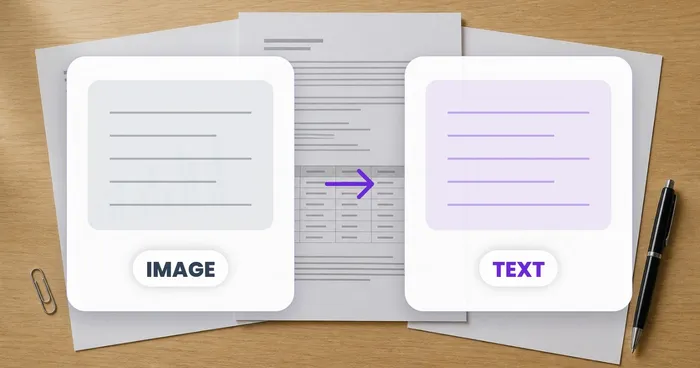
Image to Text (OCR)
Extract editable text from a screenshot, photo or scan in 30+ supported languages.
Try it now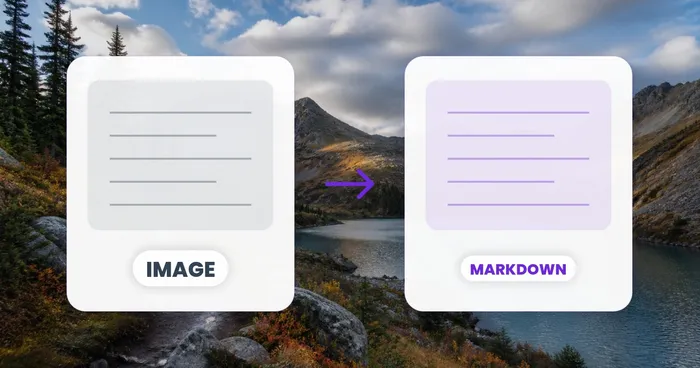
OCR & Data Extraction
Image to Markdown
Convert a screenshot or photo into Markdown text, with tables rebuilt as pipe tables.
Try it now
Developer Tools
HTML Prettify
Format HTML with consistent indentation or minify it to one line in your browser.
Try it nowFrequently Asked Questions
How Image to HTML helps you get it done
Real problems it solves every day — for businesses, creators, and everyday tasks. Find the use case that fits you and start.
Web Page from Designer Mockups
Convert designer-supplied screenshots into starter HTML with real <table> elements and semantic markup that you can hand off to a developer or use directly in a CMS.
CMS Migration from Old PDFs
Move pricing tables, FAQ sections and feature comparisons from old PDF brochures into a modern WordPress, Webflow or Shopify page in one paste.
Email Newsletter Tables
Build pixel-accurate email-safe HTML tables from designer screenshots for Mailchimp, Klaviyo and HubSpot Email — without writing the <table> markup by hand.
SaaS Landing Page Pricing Tables
Convert pricing-page mockups into responsive HTML pricing tables for your SaaS landing page, ready to drop into the marketing site framework you already use.
Affiliate Blog Comparison Charts
Affiliate marketers convert product-comparison screenshots into semantic HTML tables for review posts so search engines and readers can scan the data instantly.
Conference Schedule Pages
Convert printed conference agendas into HTML schedule pages with real <table> markup that scales to mobile and integrates with your event website.
Recipe Sites with Ingredient Tables
Food bloggers convert printed recipe pages into clean HTML with structured ingredient tables and step-by-step instructions ready for WordPress or Ghost.
API Documentation Tables
Developer-relations teams convert API reference screenshots from internal PDFs into HTML tables for public docs sites built on GitBook, Mintlify or Docusaurus.
Compliance & Disclosure Tables for Websites
Convert a scanned terms sheet, fee schedule or regulatory disclosure table into semantic HTML you can publish on a compliance page — accessible markup that screen readers and auditors can both parse.
Property Spec Sheets for Listing Pages
Turn a photographed property brochure's specification table — room dimensions, amenities, HOA fees — into an HTML table ready to embed on a real-estate listing page or MLS syndication feed.
Salary & Job Comparison Tables
Convert a screenshotted salary survey or benefits comparison chart into clean HTML for a careers page or job board listing, so candidates can actually read the numbers on mobile.
Product Spec Sheets for E-commerce Listings
Convert a scanned product spec table — size charts, technical specs, material or ingredient breakdowns — into semantic HTML you can paste directly into a Shopify, WooCommerce or BigCommerce product description, giving shoppers a real scrollable table instead of a blurry embedded photo.
Watch each transformation land
Every photo crosses the slash untouched and comes out the other side finished.