Hindustani Classical Notation Maker
Tradition, script, and taal loaded automatically
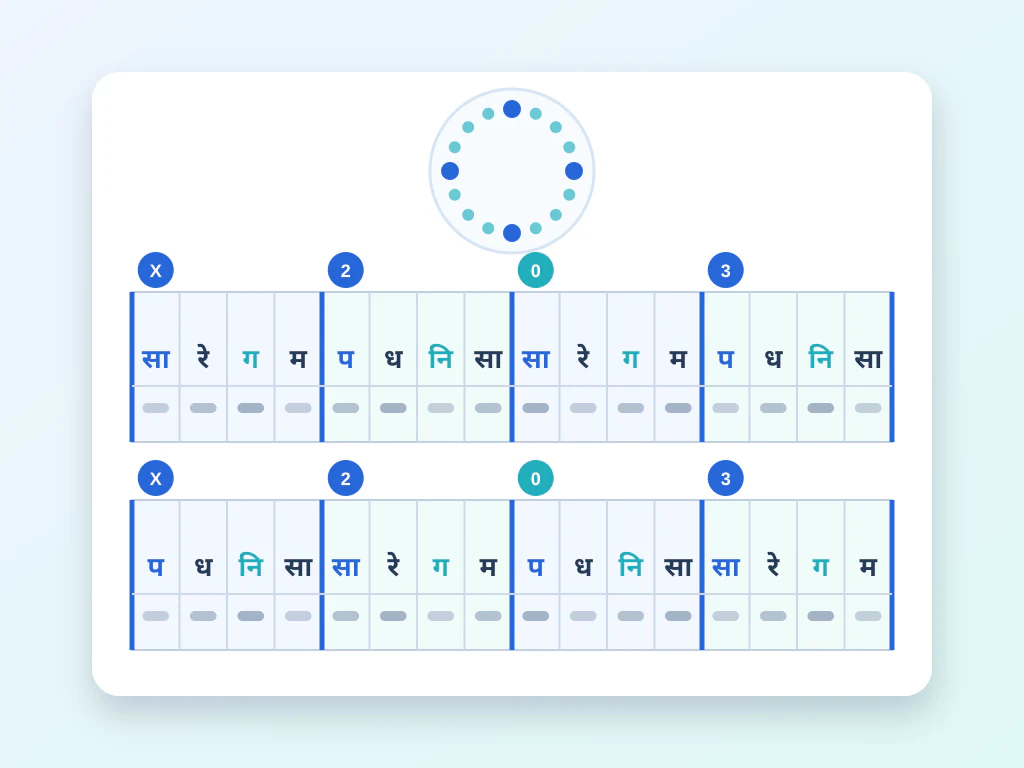
Create Bhatkhande-style Hindustani notation in your browser: set the taal, write sargam (सा रे ग म) with komal, tivra, and saptak dots, align lyrics under each matra, then export a clean PNG, PDF, or editable Excel sheet.
- Hindustani Classical lessons and rehearsal sheets
- Editable swara, lyrics, taal, and composition notes
- PNG, PDF, or spreadsheet handouts for students and performers
Start your notation sheet
Pick a taal and type your sargam — download the sheet as PNG, PDF or Excel.
Start from a template
Moving a bandish from your riyaz notebook to a clean Bhatkhande sheet
Most students first meet a bandish in a teacher's handwriting, komal swaras underlined and the sam marked with an X. This page opens in that format: Devanagari sargam, Teentaal, and sam, tali and khali placed for you. Settle the taal before writing a single swara. Jhaptaal, Ektaal, Chautaal, Dhamar and Rupak are built in, and for a cycle that is missing, the custom taal option takes the total beats and the way the vibhags divide them.
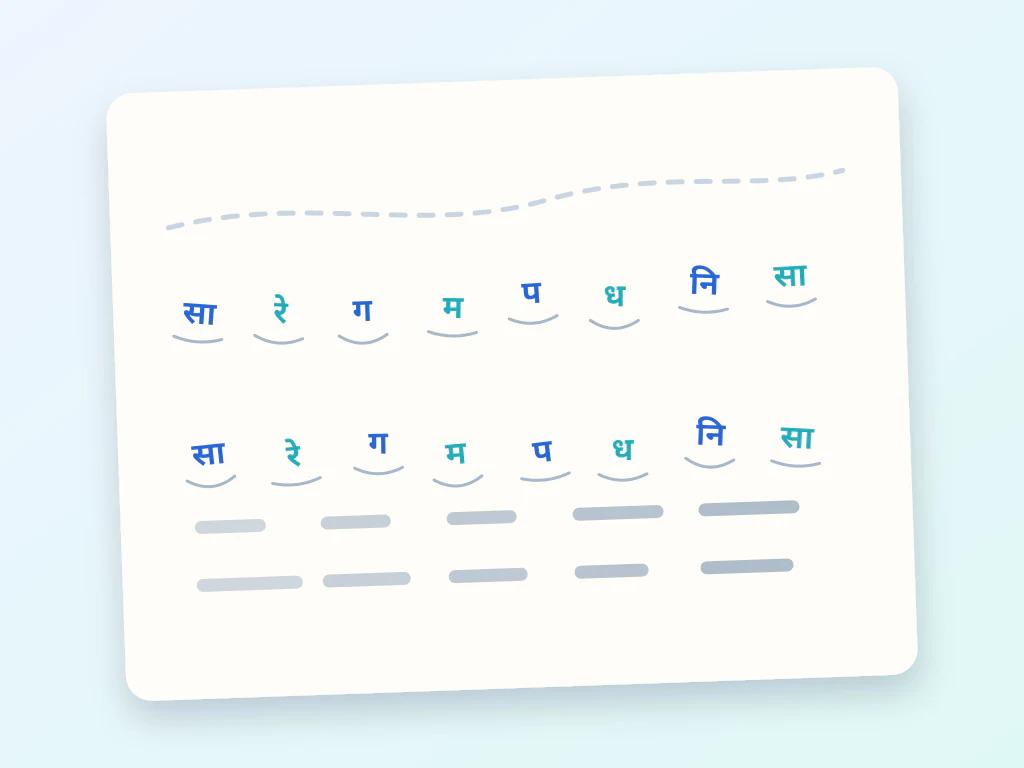
For raag study, load a raag from the Templates tab to get its aaroh and avroh on two labeled lines, with the thaat and time of day beside the name; Yaman, Bhimpalasi, Kedar and Malkauns are among them. Do this before you write, since a template replaces the open sheet. Fill in the Laya field so a reader knows the tempo, and remember that chalan and pakad vary between gharanas, so check the scale against what you were taught. Swar Abhyas and the first Alankar are there for warm-ups.
During riyaz, slow the playback to learn a taan, keep the tanpura drone running and loop the line until it settles. A harmonium or keyboard accompanist trained in Western notation can switch the sheet to letter names or solfege without anyone rewriting a note. The Excel export puts every matra in its own cell for later editing, and you can gather PNG exports into an A4 PDF for a practice folder.
Set up for Hindustani Classical Notation Maker
Prepared settings
- Starting point
- Hindustani Classical notation sheet
- The relevant musical tradition and starting template are loaded before the editor opens.
- Notation system
- Sargam in Devanagari script
- Notation and script choices are preselected but remain editable for the real composition.
- Rhythm setup
- Teentaal
- A suitable taal is selected as a starting point instead of requiring a blank sheet setup.
- Review rule
- Proof notes, lyrics, taal, and attribution
- Play back and inspect the complete sheet before exporting PNG, PDF, or spreadsheet copies.
Best-fit uses
- Hindustani Classical lessons and rehearsal sheets
- Editable swara, lyrics, taal, and composition notes
- PNG, PDF, or spreadsheet handouts for students and performers
Frequently asked questions
- How do I write Hindustani classical notation online?
- Pick a taal (Teentaal, Ektaal, Jhaptaal…), tap each matra and set the swara with komal/tivra and the octave, then type the lyric under each beat. Vibhag dividers and sam/tali/khali markers appear automatically.
- Does it support komal, tivra and saptak (octave) marks?
- Yes. Komal shows as an underline, tivra Ma as an overline, and the lower/upper octaves as a dot below/above the swara — the standard Bhatkhande conventions, rendered correctly in the download.
- Are there raag templates?
- Yes — load the aaroh and avroh of common raags (Yaman, Bhairav, Bhairavi, Bhupali, Malkauns, Kafi, Khamaj, Desh and more) as a verified starting point, then write your composition below.
- What formats can I download?
- Export a print-ready PDF, a PNG for quick sharing, or an editable Excel grid you can keep working in. The downloads are made in your browser and are free; a live link, if you create one, saves the sheet online.
What you can do with Music Notation Maker
Review the main capabilities before you begin.
- Write Indian sargam notation online for free
- Add komal, tivra and octave marks to notes
- Pick a taal or build your own custom taal
- Play back your notation with a tanpura drone
- Add shabad or lyrics beneath the notes
- Download the sheet as PNG, PDF or Excel
Settings reference
37 settings
Available controls for Music Notation Maker.
Notes
- Sa Re Ga Ma Pa Dha NiPresets
- Sets the selected beat's note to one of the seven swara degrees; tap a beat in the sheet first, then pick its pitch from this keypad.Options: SaReGaMaPaDhaNi
- Komal ♭On / Off
- Marks the selected note komal (flat), drawn as an underline in sargam or a ♭ sign in other systems; available on Re, Ga, Dha and Ni only.
- Tivra ♯On / Off
- Marks the note tivra (sharp), drawn as an overline in sargam or a ♯ sign in other systems; applies to Ma only.
- Mandra ●̲ / Madhya / Taar ●̅Presets
- Places the selected note in the lower (mandra), middle (madhya) or upper (taar) octave, shown as a dot below or above the letter.Options: Mandra ●̲MadhyaTaar ●̅
- – SustainOne-click
- Fills the beat with a dash that holds the previous note's sound through it, notating a note that carries over instead of being struck again.
- RestOne-click
- Empties the selected beat so nothing is drawn or played there, notating a silence within the rhythm cycle.
- Split beat (2 notes)On / Off
- Puts two notes inside one beat for ornaments or faster passages; the button becomes Single note to merge the beat back to one note.
- Note 1 / Note 2Presets
- After splitting a beat, chooses which of its two notes the keypad edits; these tabs appear only while the beat holds two notes.Options: Note 1Note 2
- Section label (e.g. Sthayi, Antara, Rahao)Text input
- Names the selected line's section, such as Sthayi, Antara or Rahao, so readers can see which part of the composition each row belongs to.
- Add lineOne-click
- Appends another row of beats matching the current taal's cycle length, making room for longer compositions.
- Remove lineOne-click
- Deletes the last line from the sheet; disabled while only one line remains.
Play
- Sa pitchDropdown
- Chooses the reference pitch Sa plays at, from C to B, so playback matches a singer's or instrument's comfortable key.Options: Sa = CSa = C#Sa = DSa = D#Sa = ESa = FSa = F#Sa = GSa = G#Sa = ASa = A#Sa = B
- Tempo (laya)Presets
- Sets playback speed: Vilambit is slow for learning, Madhya (the default) is medium, Drut is fast; the pitch stays correct at any tempo.Options: VilambitMadhyaDrut
- Taal beatOn / Off
- Plays an audible click on every beat of the taal during playback so you can follow the rhythm cycle; on by default.
- Tanpura droneOn / Off
- Adds a sustained tanpura-style background tone on the chosen Sa pitch during playback, giving a reference drone for practice.
- LoopDropdown
- Repeats playback continuously — the whole piece or a single chosen line — so a tricky phrase can be drilled over and over; one Line option appears per sheet line.Options: OffWhole pieceLine 1Line 2
Taal & script
- TaalDropdown
- Picks the rhythm cycle for the whole sheet; each option shows its beat count, and the sam, tali and khali markers are placed automatically.Options: Teentaal (16)Keherwa (8)Dadra (6)Rupak (7)Jhaptaal (10)Ektaal (12)Chautaal (12)Dhamar (14)
- Create a custom taalOn / Off
- Reveals a builder for defining your own rhythm cycle when the taal you teach is not in the built-in list.
- Taal nameText input
- Names your custom taal so it is saved in your browser and appears alongside the built-in taals for future sheets.
- Total beats (matras)Number inputRange: 1–32 · Default: 8
- Sets how many beats (matras) one full cycle of your custom taal contains.
- Beat groups (vibhags)Text input
- Divides the cycle into groups using comma-separated counts that must add up to the total beats — for example 4,4,4,4 for 16 beats.
- Marker for each groupDropdown
- Chooses the sam, tali or khali symbol (X, a number, or 0) printed above the first beat of each group; one picker appears per group.Options: X2345670
- Use this taalOne-click
- Applies the custom taal to the current sheet and saves it in your browser alongside the built-in taals.
- Notation systemDropdown
- Switches how every note on the sheet is written — Indian sargam letters, Western solfège or letter names, or jianpu-style numbers.Options: Sargam (Sa Re Ga Ma)Solfège (Do Re Mi)Letter (C D E)Numbered (1 2 3)
- Sargam scriptDropdown
- Writes the sargam note letters in Roman, Gurmukhi or Devanagari script; available only while the notation system is set to Sargam.Options: Romanਗੁਰਮੁਖੀ Gurmukhiदेवनागरी Devanagari
- Lyric / Shabad scriptDropdown
- Sets the script used for the lyric line under the notes, so shabad or song words can appear in Roman, Gurmukhi or Devanagari.Options: Romanਗੁਰਮੁਖੀ Gurmukhiदेवनागरी Devanagari
Details
- TitleText input
- Names the composition; the title prints at the top of the sheet and becomes the file name of your downloads.
- Raag / ScaleText input
- Free-text field naming the raag or scale of the piece, printed in the sheet's header.
- Laya (tempo)Text input
- Free-text tempo label, such as Vilambit or Madhya, printed in the sheet's header; separate from the Play tab's actual playback speed.
- Composer / AuthorText input
- Credits who wrote or composed the piece; the name is printed in the sheet's header.
- Show key/legend on the sheetOn / Off
- Prints a small reference key on the sheet explaining the komal, tivra and octave-dot marks — helpful for students new to reading notation; off by default.
Templates
- Start from a templatePresets
- Loads a ready-made exercise, blank taal sheet or raag reference into the editor, replacing the current sheet so you can edit instead of starting empty.Options: Swar Abhyas (scale up & down)Alankar / Palta 1Blank Teentaal sheetBlank Keherwa sheet (kirtan)Raag YamanRaag BhairavRaag BhairaviRaag BhupaliRaag DurgaRaag MalkaunsRaag KafiRaag KhamajRaag BilawalRaag AsavariRaag BageshreeRaag DeshRaag BhimpalasiRaag KedarRaag AsaRaag GauriRaag Sri (Siri)Raag DhanasariRaag SorathRaag Suhi
Credit
- Show credit on sheetOn / Off
- Prints your teacher credit line on the sheet and in downloads; on by default.
- Your nameText input
- Your name as it should appear in the credit line printed on the sheet.
- Contact (phone / email / handle)Text input
- A phone number, email or social handle printed with the credit so students can reach you.
- Add watermark across sheetOn / Off
- Repeats a faint watermark across the sheet so shared or downloaded copies are marked as yours; off by default.
- Watermark textText input
- The words used for the watermark; appears once the watermark is enabled and defaults to your credit name when left blank.
Popular presets
Related tools for Hindustani Classical Notation Maker
Tools for common next steps after Hindustani Classical Notation Maker.
PDF & Documents
Image to PDF
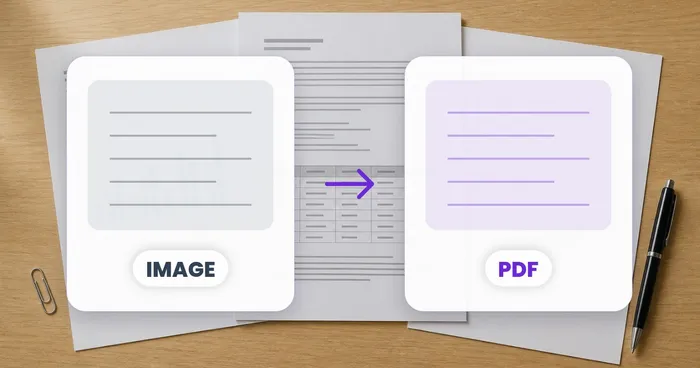
Combine images into a multi-page PDF. Optionally add recognized text for search and copying.
Try it now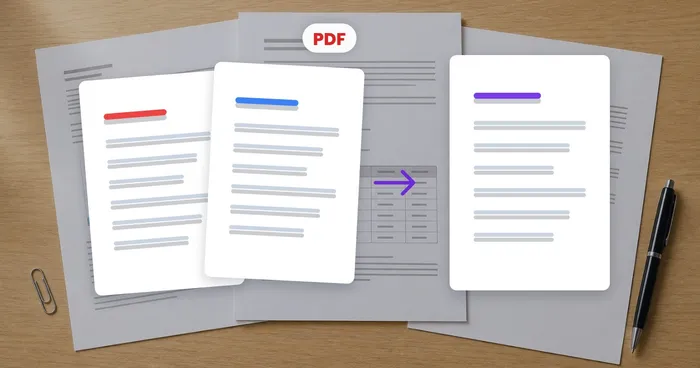
PDF & Documents
Merge PDF
Combine multiple PDFs, arrange them in the required order and download one merged file.
Try it now
Creative & Design
Add Text to Image
Add styled text with custom fonts, colors and outlines to supported image formats, then download the edited image.
Try it nowHow Music Notation Maker helps you get it done
Real problems it solves every day — for businesses, creators, and everyday tasks. Find the use case that fits you and start.
Shabad & Kirtan Teaching Sheets for Gurdwara Classes
Build a taal grid in Gurmukhi script with sam/tali/khali markers auto-drawn, then use the Sa pitch dropdown and tanpura drone in the Play tab so students can practice a shabad at home at the right pitch and tempo.
Cross-Notation Compositions for Fusion Ensembles
Switch the Notation System between Sargam, Solfège, Letter and Numbered (jianpu) on the same underlying composition so Indian-classical and Western-trained musicians in a fusion group can each read the part in their own system.
Printed Songbooks for Choirs & Satsang Groups
Export a batch of PDF sheets with the teacher-credit box and a watermark switched on, then bind them into a printed songbook for a community choir, school or satsang group.
Live Practice Links for Remote Music Students
Use Save online to publish an always-latest link — edit and save again later and a remote student's bookmarked link updates automatically — or grab the embed code to drop the sheet straight into a class website.
Session-Ready Charts for Touring Accompanists
Use the custom taal builder to notate an unusual rhythm cycle a touring vocalist or tabla player needs for one specific song, then export it as a quick-reference PDF chart before the gig.
Family Devotional Practice at Home
A parent notates a short shabad or bhajan in the family's preferred script (Gurmukhi, Devanagari or Roman), then uses the Play tab's Sa pitch, tempo and tanpura drone so children can sing along at home between gurdwara or mandir visits without needing sheet-music expertise.
Watch each transformation land
Every photo crosses the slash untouched and comes out the other side finished.