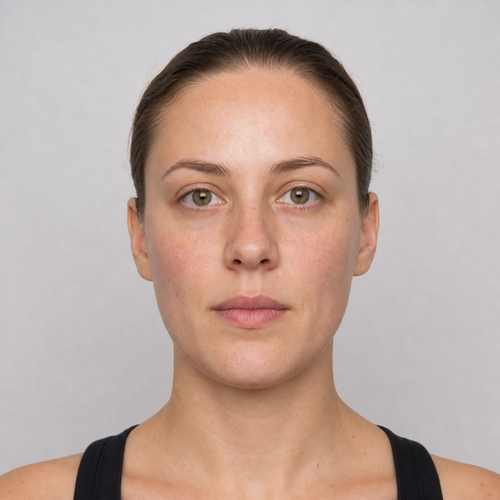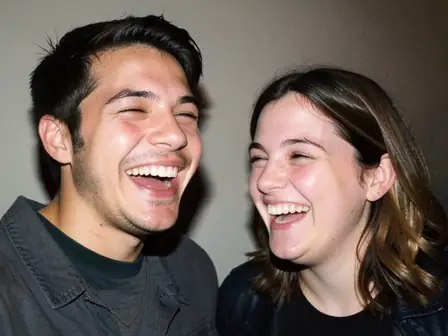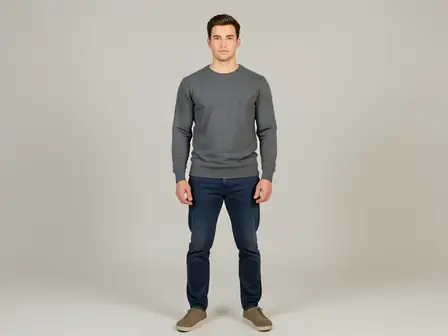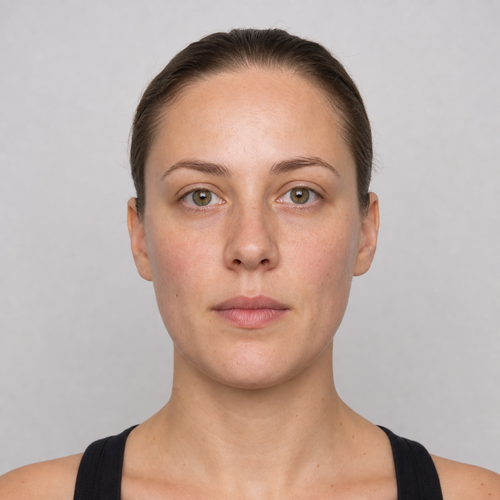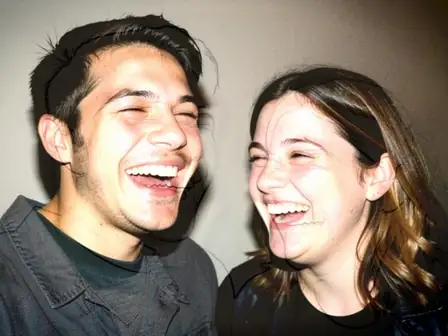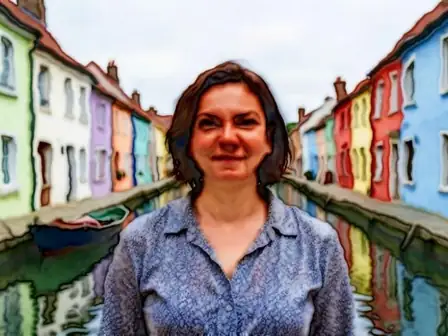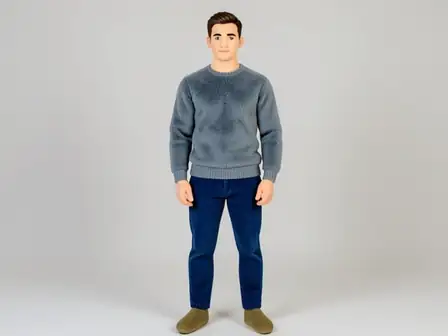

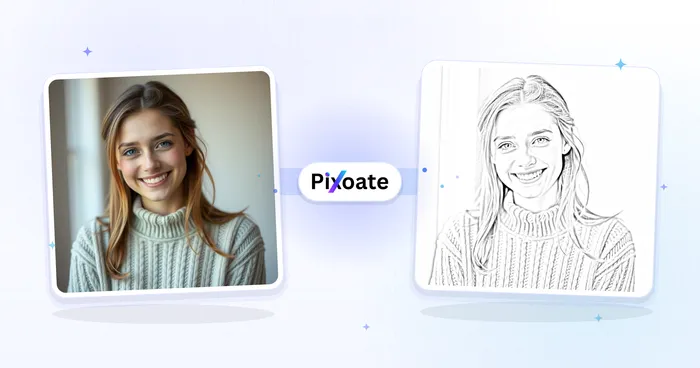
The same source image before and after applying Face Symmetry.
Face Symmetry applied to the same source image
Original source image before Face Symmetry

Face Symmetry — Balance Facial Geometry Only Online

Balance small verified feature and contour offsets without mirroring skin, replacing either face half, or reconstructing the photo.

Upload a photo for the Face Symmetry effect

What you can do with the Face Symmetry effect

Review the available effect capabilities before you begin.

  • Apply the Face Symmetry effect to any photo
  • Fine-tune the effect strength to taste
  • Preview your photo live as you edit
  • Download your edited photo in high quality
  • Apply Face Symmetry to many photos at once

How it works

Face Symmetry cross-checks a 478-point face mesh against independently detected eyes, nose, and mouth. It measures the eye midline, then gently balances paired brow, cheek, mouth-corner, and jaw positions while moving only the nose and chin toward that verified center. Each compact translation fades exactly to zero at its boundary. It never mirrors skin texture, copies one side of the face, or regenerates the frame, and it reduces the correction as the face turns away from the camera.

Processing

Face Symmetry uses an AI action. Any separate allowance is shown before this effect starts processing.

Best for

sharp, nearly front-facing portraits where the full forehead, both eyes, cheeks, nose, mouth, jaw, and chin are visible.

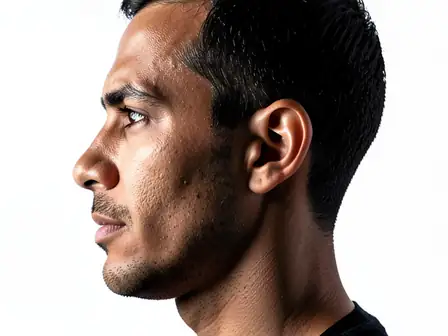
Less suited to: side profiles, strong perspective, covered or cropped features, extreme expressions, motion blur, and group photos with very small faces.

Ways to use Face Symmetry

  • Balance small left-right feature offsets without creating a duplicated mirror-face look.
  • Refine facial geometry while preserving natural skin texture, expression, identity, hair, clothing, and background.
  • Apply the same conservative symmetry check independently to each clearly visible face.

Face Symmetry questions

Does Face Symmetry mirror one side of my face?
No. Mirroring would duplicate skin detail and erase natural identity cues. Pixoate keeps the original texture and uses only small, capped local geometry corrections around verified features and contours.
Why can Face Symmetry refuse or reduce an adjustment?
A turned face creates perspective differences that are not true asymmetry. The tool reduces correction as the nose leaves the eye midline and stops when the pose is too oblique, preventing a profile from being warped into a false front view.

More Portrait & Beauty effects

See the featured effects in motion

The strongest effect picks lead this belt before the rest of the catalog.