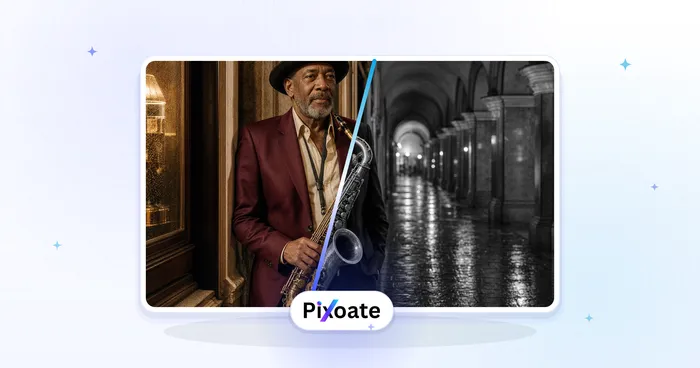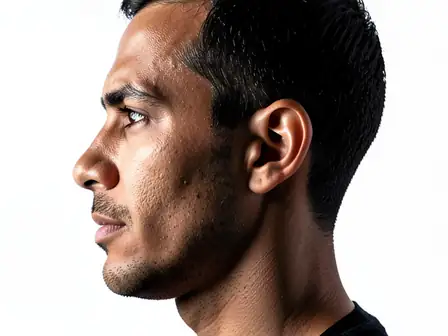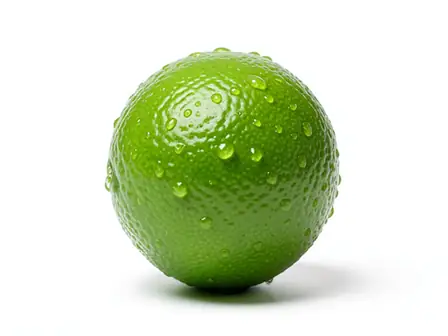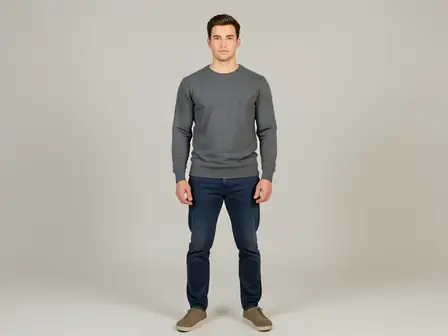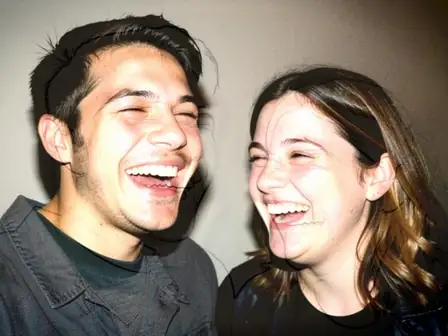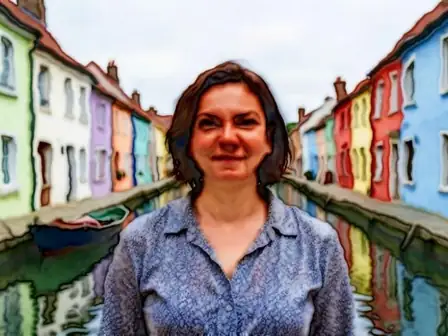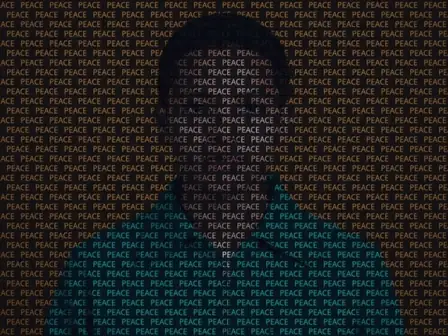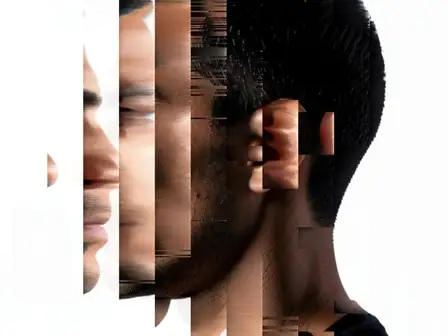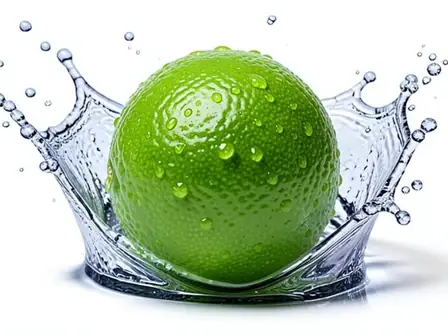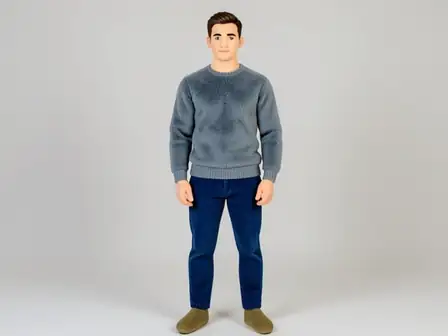
The same source image before and after applying Glass Refraction · Radial · Monochrome Signal.
Glass Refraction · Radial · Monochrome Signal applied to the same source image
Original source image before Glass Refraction · Radial · Monochrome Signal

Glass Refraction + Radial + Monochrome Glitch Effect

Start with Glass Refraction, shape it with Radial, and close with Monochrome in one adjustable glitch-and-distortion recipe.

Upload a photo for the Glass Refraction · Radial · Monochrome Signal effect

What you can do with the Glass Refraction · Radial · Monochrome Signal effect

Review the available effect capabilities before you begin.

  • Apply the Glass Refraction · Radial · Monochrome Signal effect to any photo
  • Fine-tune the effect strength to taste
  • Preview your photo live as you edit
  • Download your edited photo in high quality
  • Apply Glass Refraction · Radial · Monochrome Signal to many photos at once

How it works

The renderer first applies Glass Refraction, then introduces Radial, and finally uses Monochrome Signal. Each stage has a distinct role in the glitch-and-distortion recipe, while the intensity control blends the completed recipe against the source.

Processing

Glass Refraction · Radial · Monochrome Signal runs as a classic image effect and does not use an AI action.

Best for

The exact Glass Refraction, Radial, and Monochrome Signal recipe works best for experimental portraits, editorial layouts with digital tension, and music artwork and event posters.

Less suited to: Glass Refraction, Radial, and Monochrome Signal needs extra care with legal documents, small typography, group portraits, or images whose important details already sit close to the frame edge.

Ways to use Glass Refraction · Radial · Monochrome Signal

  • Use the Glass Refraction foundation with Radial and Monochrome for experimental portraits.
  • Apply the Glass Refraction, Radial, and Monochrome Signal combination to editorial layouts with digital tension.
  • Choose Monochrome when preparing music artwork and event posters through the Glass Refraction and Radial recipe.

Glass Refraction · Radial · Monochrome Signal questions

How does the Glass Refraction · Radial · Monochrome Signal recipe work?
Glass Refraction provides the starting structure, Radial supplies the middle treatment, and Monochrome Signal determines the final rendering character. Intensity blends all three stages together against the source photo.
When should I use Glass Refraction with Radial and Monochrome Signal?
Use the Glass Refraction, Radial, and Monochrome Signal combination for experimental portraits, editorial layouts with digital tension, or music artwork and event posters. Reduce its intensity when the source contains legal documents, small typography, group portraits, or images whose important details already sit close to the frame edge.

More Distortion & Glitch effects

See the featured effects in motion

The strongest effect picks lead this belt before the rest of the catalog.