How it works
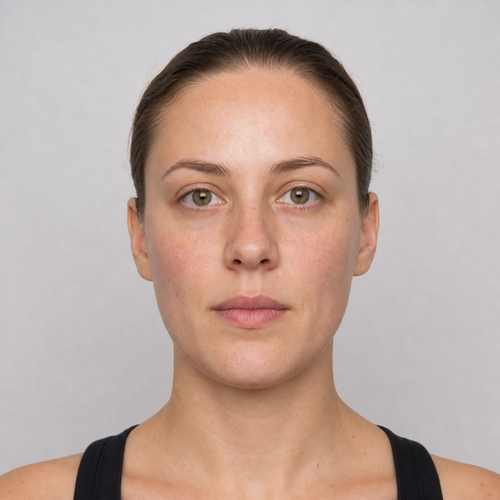
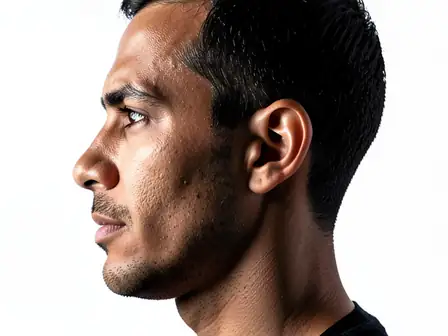
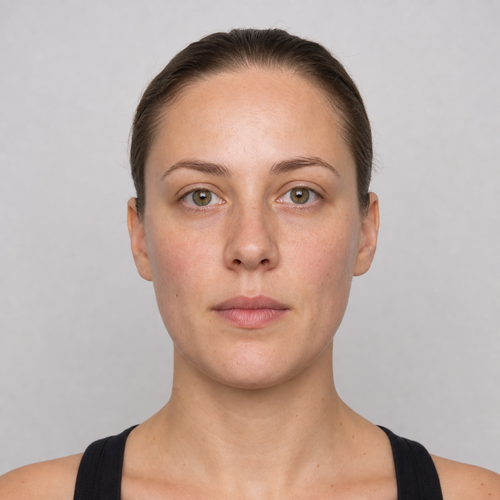
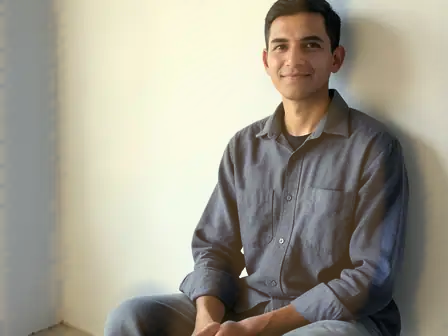
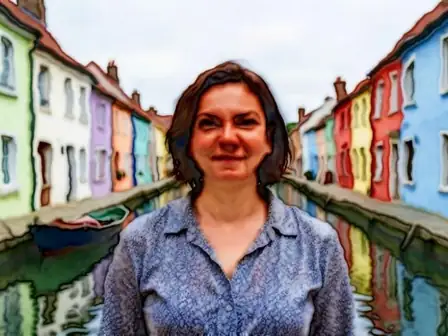
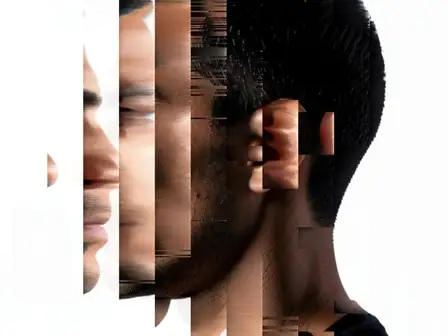
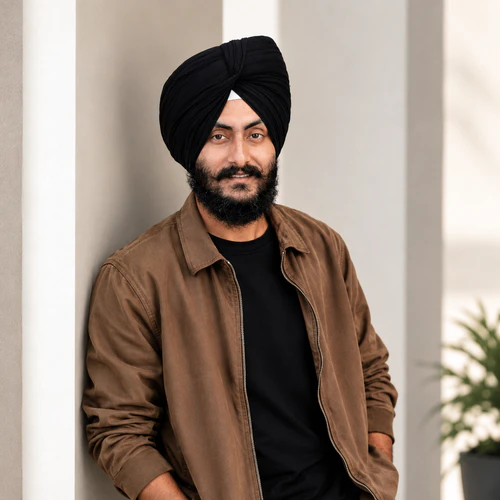
Grooming does not generate, remove, extend, reshape, recolor, sharpen, blur, or patch hair or the portrait. It needs one complete, near-front face: the face is checked carefully and its full shape is mapped. The tool tells face skin apart from accessories only to set safe outer limits—never as proof that a dark pixel is facial hair. It first measures the brightness of bare skin on the verified forehead, then keeps only pixels clearly darker than that skin inside exactly two eyebrow outlines. It can also define facial hair that is already there inside one optional lower-face zone: that area must stay inside the face oval, below the nose, on verified face skin, away from the protected nose and lips, and be large and connected enough, with real fine hair detail nearby in the original. Smooth cast shadows cannot qualify. Very light, absent, or uncertain facial hair is left unchanged. The adjustment only darkens slightly, with a small fixed limit for brows and a slightly higher one for facial hair at full intensity; it adds no artificial strands, texture, edge sharpening, or color. Eyes, irises, nose, lips, inside of the mouth, skin outside the accepted brow and facial-hair detail, ears, scalp hair, turban or other headwear, face shape, expression, lighting, clothing, background, framing, transparency, and every pixel outside the two brow zones and optional facial-hair zone are copied unchanged into a lossless PNG. Side profiles, incomplete or tiny faces, unclear skin, obstructions, brows without enough visible dark detail, and uncertain facial hair are refused or left unchanged rather than redrawn.