How it works
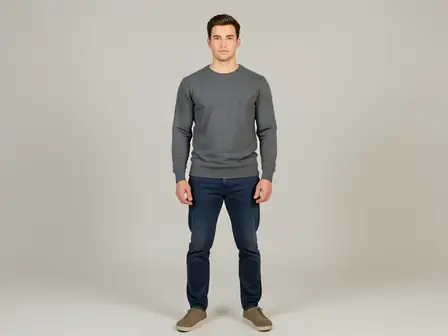
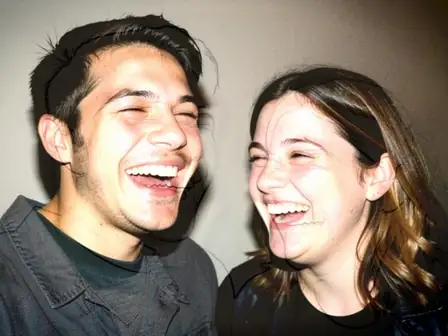
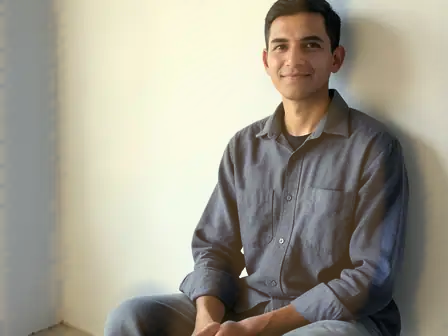
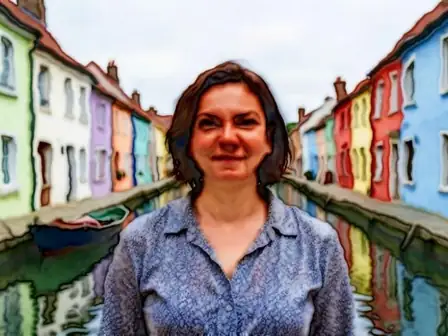
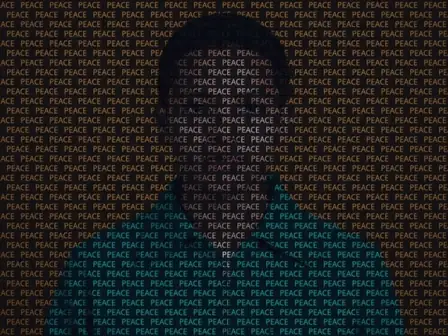
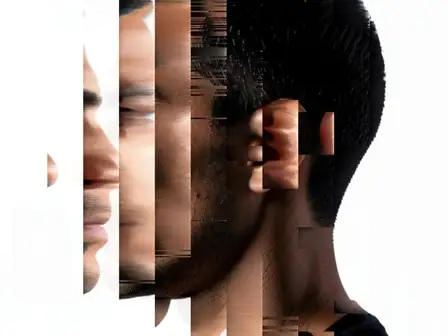
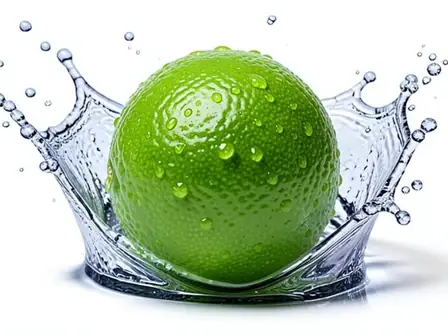
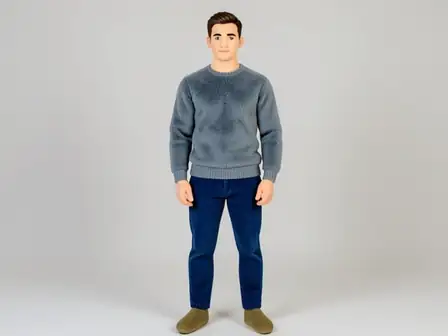
The renderer first applies Linocut, then introduces Sepia Ink, and finally uses Inverted Paper. Each stage has a distinct role in the line-and-print recipe, while the intensity control blends the completed recipe against the source.


Start with Linocut, shape it with Sepia Ink, and close with Inverted Paper in one adjustable line-and-print recipe.
Review the available effect capabilities before you begin.
The renderer first applies Linocut, then introduces Sepia Ink, and finally uses Inverted Paper. Each stage has a distinct role in the line-and-print recipe, while the intensity control blends the completed recipe against the source.
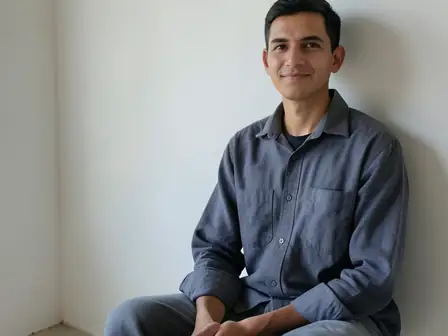
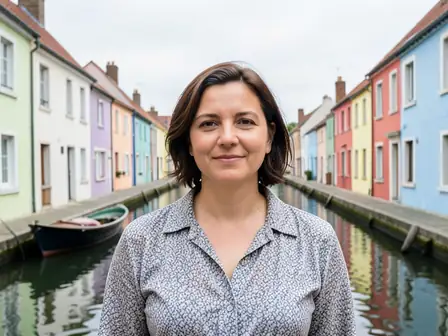
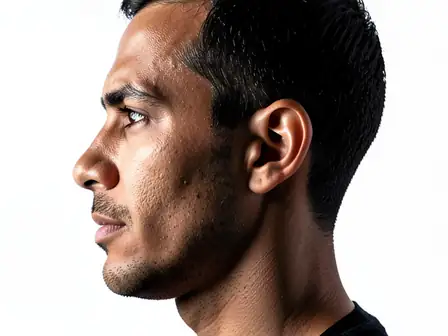
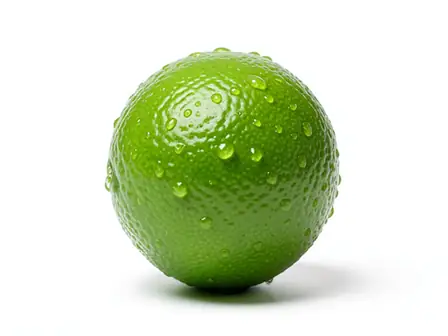
Upload a photo, adjust the Linocut · Sepia Ink · Inverted Paper intensity, compare its processed preview with the source, and download the finished result.
Use the intensity control to balance the Linocut · Sepia Ink · Inverted Paper treatment with the detail and character of your original photo.
A reduced Linocut · Sepia Ink · Inverted Paper preview keeps adjustments responsive. Free downloads are clean and web-size; Premium or a credit unlocks the original resolution.
Linocut · Sepia Ink · Inverted Paper uploads are processed on secure servers and automatically removed under the normal Pixoate retention policy.
The renderer first applies Linocut, then introduces Sepia Ink, and finally uses Inverted Paper. Each stage has a distinct role in the line-and-print recipe, while the intensity control blends the completed recipe against the source.
Linocut · Sepia Ink · Inverted Paper runs as a classic image effect and does not use an AI action.
The exact Linocut, Sepia Ink, and Inverted Paper recipe works best for architectural sketches, coloring-page references, and product illustrations with a clear silhouette.
Less suited to: Linocut, Sepia Ink, and Inverted Paper needs extra care with very noisy photos, low-resolution faces, or scenes whose subject and background have almost no edge contrast.
Tools for common next steps after Photo Effects.
Creative & Design
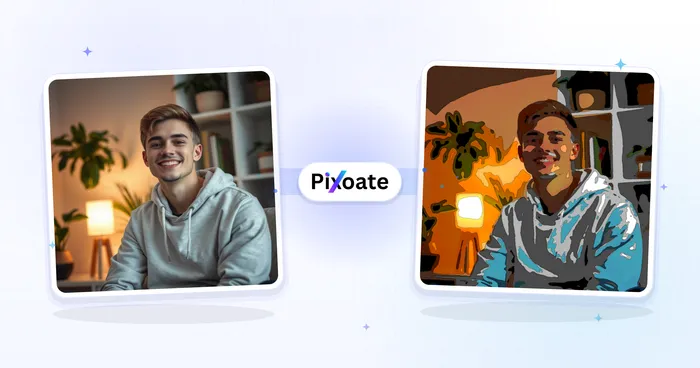
Turn a photo into classic, storybook, sticker, watercolor, or custom cartoon artwork with editable AI directions.
Try it nowCreative & Design
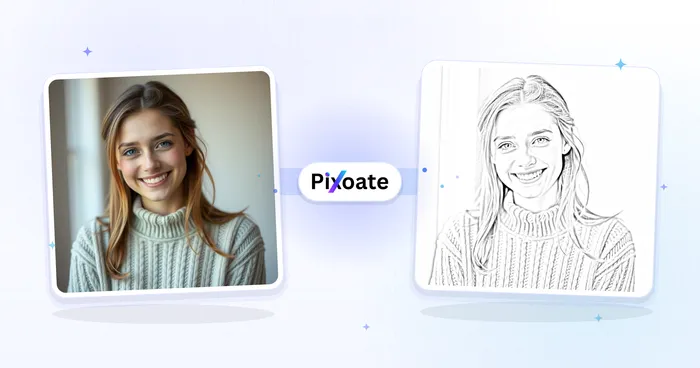
Convert a photo into a pencil-sketch style image and adjust the shadow depth before download.
Try it nowPhoto Editing & Utilities
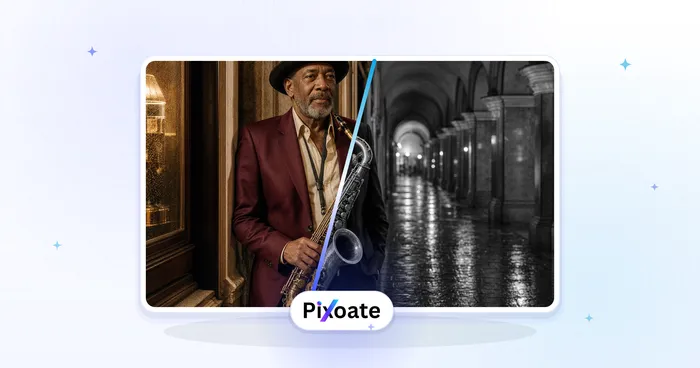
Convert an image to black and white. Adjust the intensity and preview the result.
Try it nowThe strongest effect picks lead this belt before the rest of the catalog.