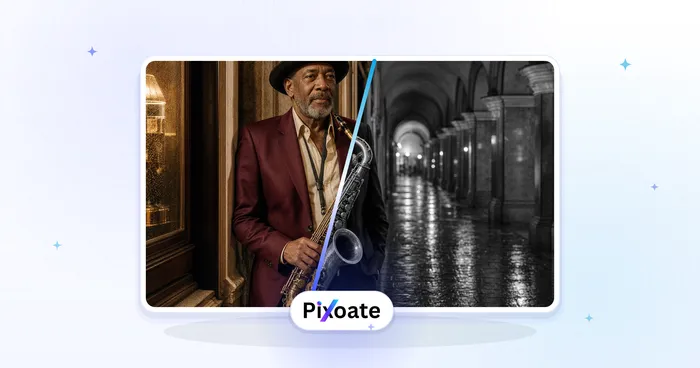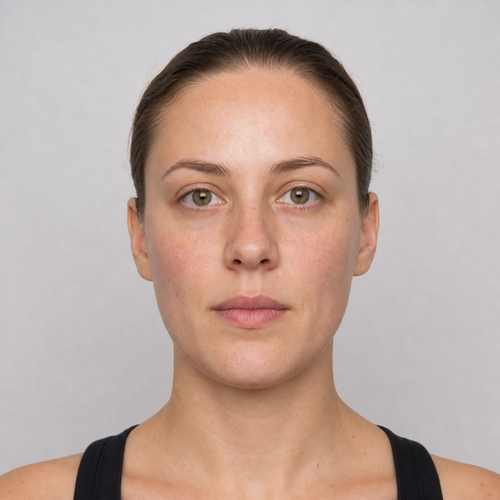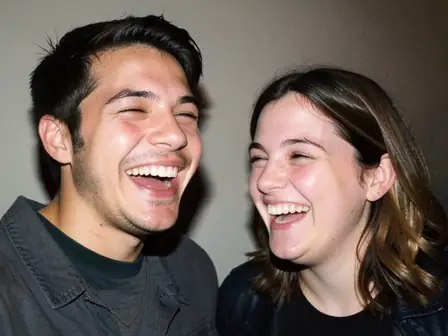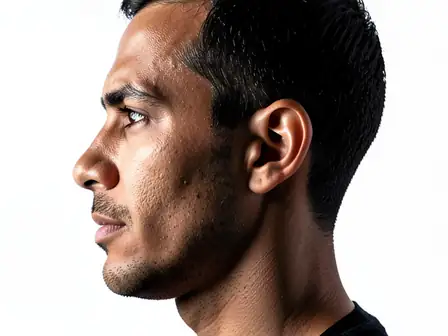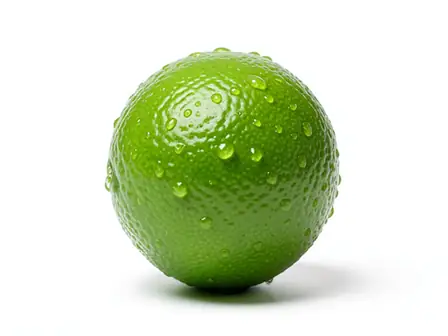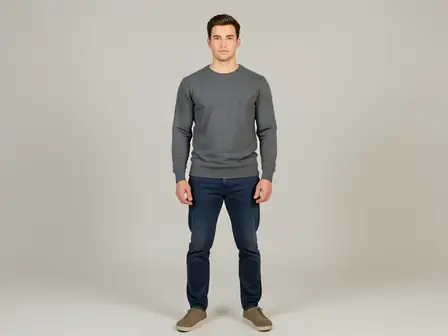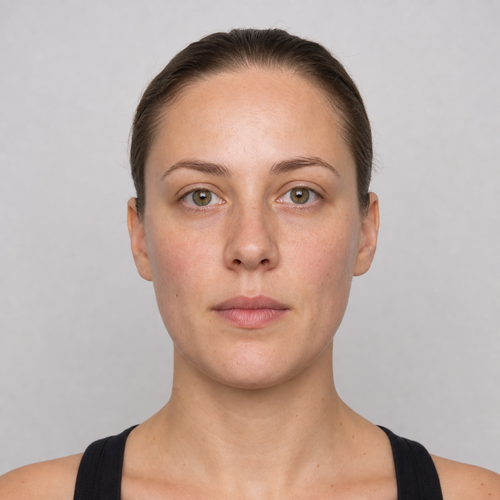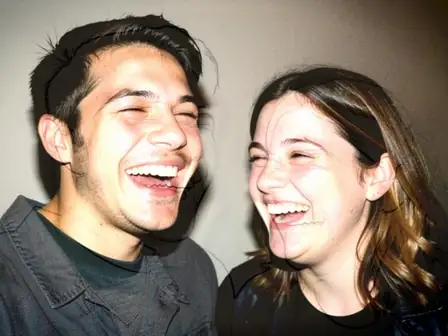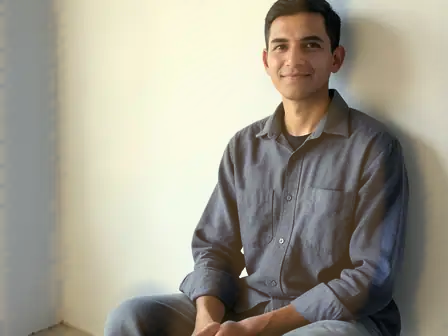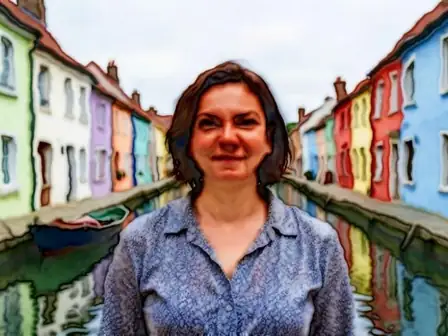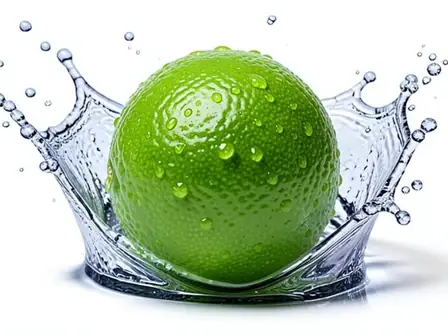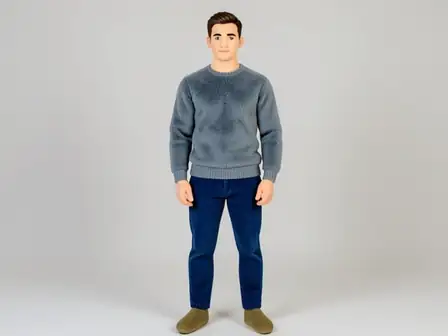

The same source image before and after applying Recovered Highlights.
Recovered Highlights applied to the same source image
Original source image before Recovered Highlights

Recovered Highlights Lighting Effect Online

Recovered Highlights creates more intentional exposure, local contrast, and light placement without changing the composition; tune the strength before exporting the finished image.

Upload a photo for the Recovered Highlights effect

What you can do with the Recovered Highlights effect

Review the available effect capabilities before you begin.

  • Apply the Recovered Highlights effect to any photo
  • Fine-tune the effect strength to taste
  • Preview your photo live as you edit
  • Download your edited photo in high quality
  • Apply Recovered Highlights to many photos at once

How it works

Recovered Highlights redistributes luminance and local contrast with highlight and shadow protection. Its intensity control blends the processed output with the uploaded pixels, so the edit can remain restrained or become the dominant look.


Processing

Recovered Highlights runs as a classic image effect and does not use an AI action.

Best for

Recovered Highlights works best for architecture with deep directional shadows, backlit portraits, and landscapes with a wide exposure range, especially when the source is sharp and well exposed.

Less suited to: Recovered Highlights is less reliable on heavily clipped highlights, crushed source files, or flat illustrations that contain little recoverable tonal information.

Ways to use Recovered Highlights

  • Build architecture with deep directional shadows with the Recovered Highlights effect.
  • Use Recovered Highlights to prepare backlit portraits.
  • Try a lower-strength Recovered Highlights treatment for landscapes with a wide exposure range.

Recovered Highlights questions

What does the Recovered Highlights effect change?
Recovered Highlights reshapes the image's exposure and contrast curve, changing dark, middle, and bright regions deliberately instead of applying one uniform brightness offset. The strength control determines how much of that treatment replaces the unedited appearance.
Which photos work best with Recovered Highlights?
Choose Recovered Highlights for architecture with deep directional shadows, backlit portraits, or landscapes with a wide exposure range when the source has clear detail and balanced exposure. Start with a lighter setting if it contains heavily clipped highlights, crushed source files, or flat illustrations that contain little recoverable tonal information.

More Light & HDR effects

See the featured effects in motion

The strongest effect picks lead this belt before the rest of the catalog.