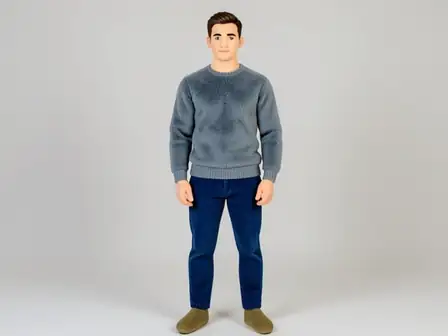
How it works
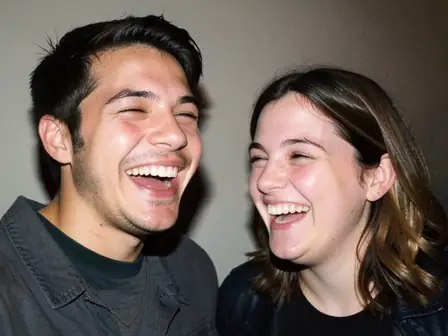
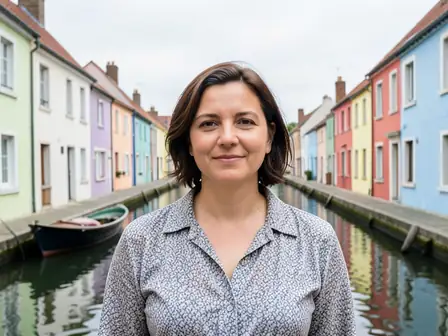
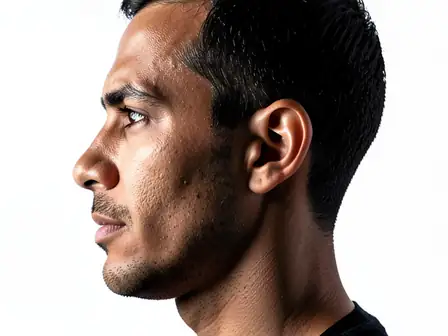
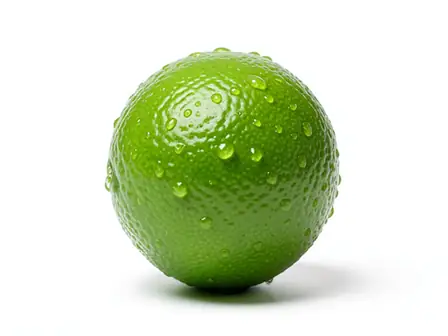
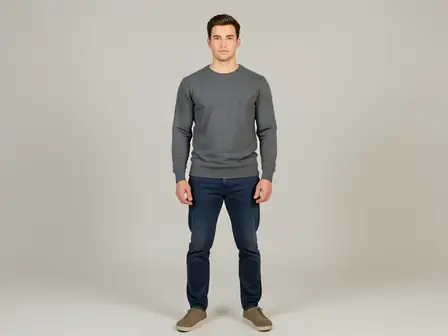
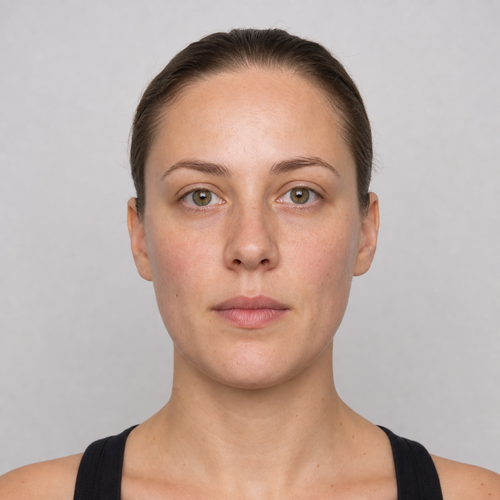
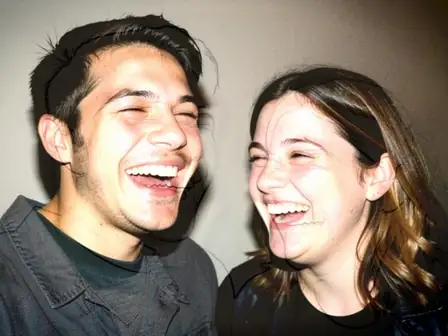
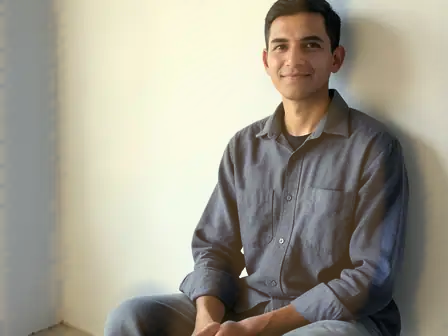
Split Lighting redistributes luminance and local contrast with highlight and shadow protection. Its intensity control blends the processed output with the uploaded pixels, so the edit can remain restrained or become the dominant look.


Split Lighting creates more intentional exposure, local contrast, and light placement without changing the composition; tune the strength before exporting the finished image.
Review the available effect capabilities before you begin.
Split Lighting redistributes luminance and local contrast with highlight and shadow protection. Its intensity control blends the processed output with the uploaded pixels, so the edit can remain restrained or become the dominant look.
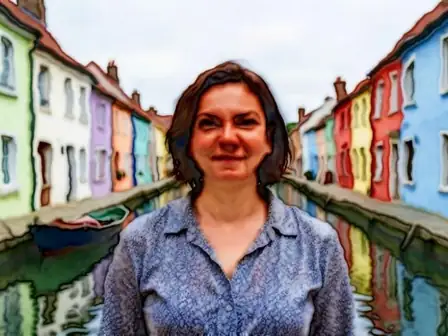
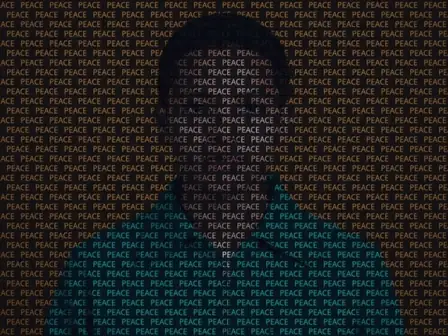
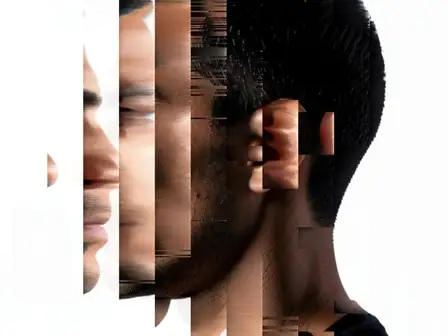
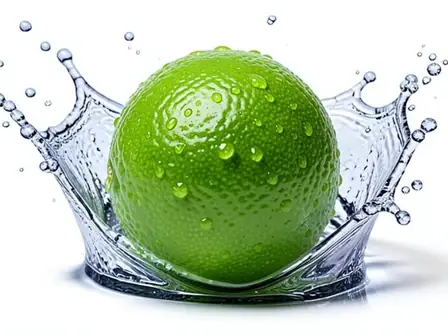
Upload a photo, adjust the Split Lighting intensity, compare its processed preview with the source, and download the finished result.
Use the intensity control to balance the Split Lighting treatment with the detail and character of your original photo.
A reduced Split Lighting preview keeps adjustments responsive. Free downloads are clean and web-size; Premium or a credit unlocks the original resolution.
Split Lighting uploads are processed on secure servers and automatically removed under the normal Pixoate retention policy.
Split Lighting redistributes luminance and local contrast with highlight and shadow protection. Its intensity control blends the processed output with the uploaded pixels, so the edit can remain restrained or become the dominant look.
Split Lighting runs as a classic image effect and does not use an AI action.
Split Lighting works best for architecture with deep directional shadows, backlit portraits, and landscapes with a wide exposure range, especially when the source is sharp and well exposed.
Less suited to: Split Lighting is less reliable on heavily clipped highlights, crushed source files, or flat illustrations that contain little recoverable tonal information.
Tools for common next steps after Photo Effects.
Creative & Design
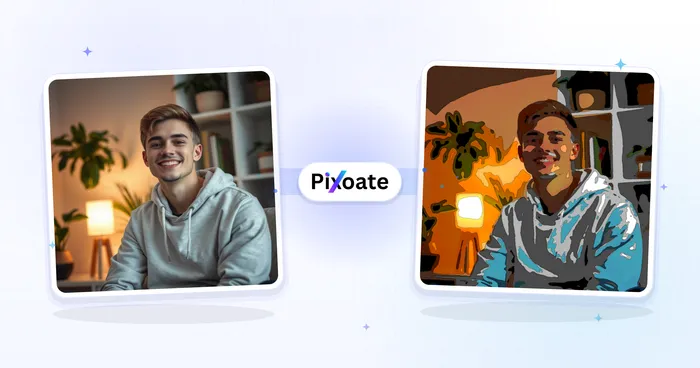
Turn a photo into classic, storybook, sticker, watercolor, or custom cartoon artwork with editable AI directions.
Try it nowCreative & Design
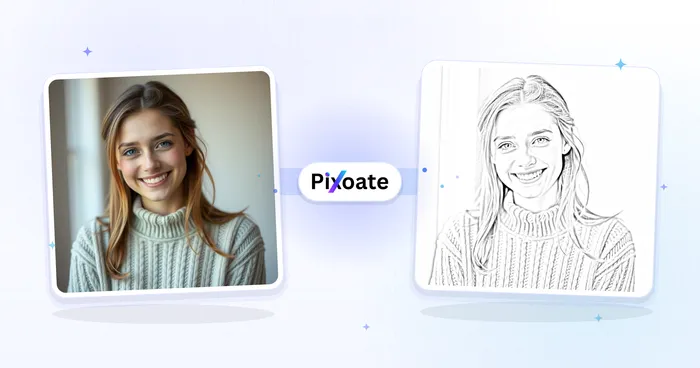
Convert a photo into a pencil-sketch style image and adjust the shadow depth before download.
Try it nowPhoto Editing & Utilities
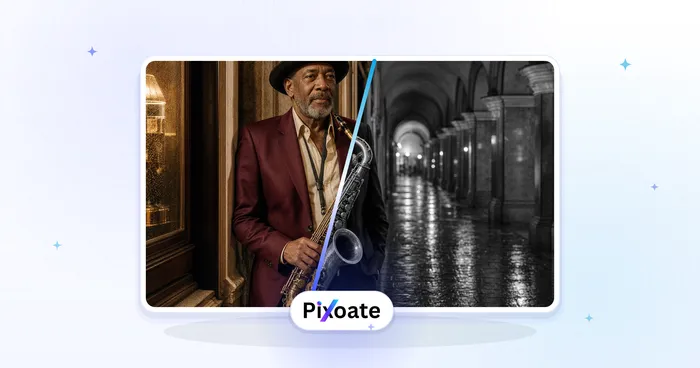
Convert an image to black and white. Adjust the intensity and preview the result.
Try it nowThe strongest effect picks lead this belt before the rest of the catalog.