Unpredictable seller inputs
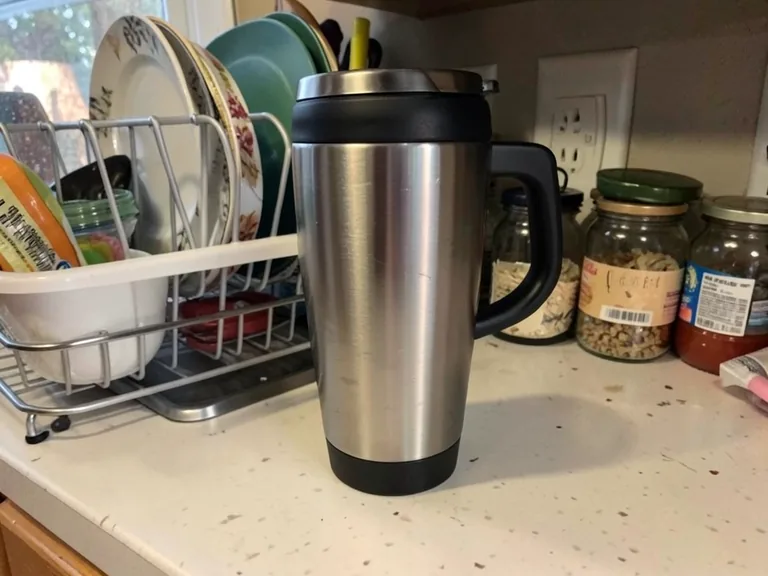
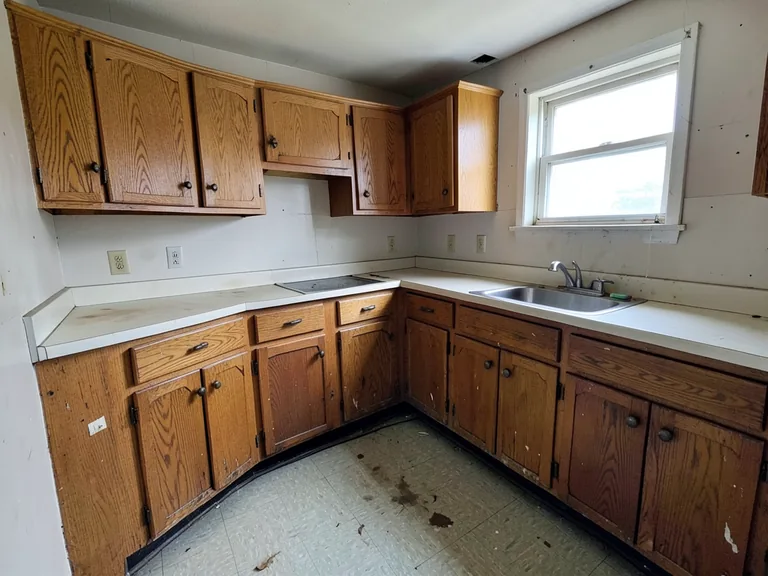
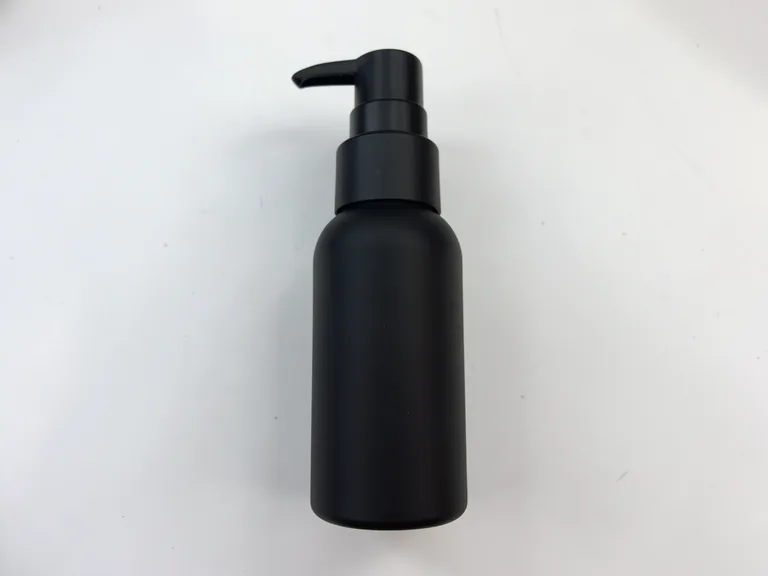
Backgrounds, orientation, file types, and image quality vary across every onboarding source.
Online marketplaces
Turn varied seller uploads into a controlled image pipeline with consistent subjects, dimensions, formats, and delivery weight.
 Workflow illustration
Input
Source files
Output
Workflow-ready result
Industry challenges
Marketplace operations cannot control how every seller photographs a product. They can control what happens between upload and publication.
Backgrounds, orientation, file types, and image quality vary across every onboarding source.
Operations teams lose time correcting basic presentation issues instead of reviewing genuine listing exceptions.
Category, placement, and channel rules can require different crops, sizes, and file outputs.
End-to-end workflow
Treat image processing as part of onboarding: accept the source, standardize what can be standardized, and route uncertain cases for review.
Receive the source image and retain the marketplace's own listing and seller identifiers.
Remove a distracting background or prepare a consistent white-background variant.
Background RemoverEnhance or upscale inputs that are suitable for processing but below the desired visual baseline.
AI Photo EnhancerResize each output for the intended category tile, detail view, or downstream feed.
Image ResizerReturn a supported format at an appropriate delivery weight for the listing surface.
Image Format ConverterKeep policy decisions and questionable source images in a human review path; processing does not replace marketplace moderation.
Relevant products
The workflow focuses on predictable transformation stages rather than claiming to make seller-policy decisions.
Pixoate product
Separates the product from uncontrolled seller environments before publication.
Pixoate product
Creates a clean listing presentation for categories that use neutral imagery.
Pixoate product
Improves low-quality uploads before a reviewer decides whether they can be published.
Pixoate product
Applies the marketplace's own dimensions consistently across seller inputs.
Pixoate product
Returns a supported delivery format without a separate converter integration.
Seller intake preview
The marketplace keeps category and moderation logic; Pixoate handles selected, repeatable image transformations.
Seller uploads
Mixed crops, scenes, formats, and image dimensions
Listing set
Aligned subject treatment, dimensions, and delivery format
API and automation
The current API lets a platform call a supported transformation after upload and use the returned processed asset in its own review or publication flow.
Sample request
POST /api/v1/process
X-API-Key: <your-key>
Idempotency-Key: <unique-key>

[email protected]
functionName=resizeImage
parameters={"width":1200,"height":1200}
Sample response
{"success":true,"processedFileId":"<file-id>","downloadUrl":"/processed/<file-id>","creditsSpent":1}Current boundary: Marketplace moderation, policy validation, asynchronous queues, webhooks, and a public multi-file job endpoint are not part of the current API.
Workflow value
Start from your current baseline, run the workflow, and measure these operational indicators in your own environment.
Product evidence
Pixoate returns processed assets; the marketplace keeps its own policy and publication decisions.
The public processing API requires an idempotency key so a valid retry does not start a second paid operation.
The API is synchronous today and does not claim a queue, callback, or webhook product that is not implemented.
Practical answers
No. Pixoate can perform supported transformations, but image-policy decisions and listing approval remain in the marketplace's own moderation workflow.
Yes, through separate supported synchronous image-processing requests. The public API does not currently expose a multi-step workflow endpoint.
Paid processing calls require an Idempotency-Key. Reusing the same key for the exact same request can replay the prior response; reusing it with different input is rejected.
Not through the current public API. There is no public job-status endpoint or webhook callback yet.
Yes. The web products provide self-serve processing, and the full Photo Editor can handle cases that need a person to adjust the result.
Product limits and access can change by route and plan. The linked product, pricing, and developer pages remain the final source.
Related solutions
 E-commerce & Retail
Build a repeatable path from raw product photos to consistent, web-ready catalog assets.
Explore solution Technology & SaaS
Embed selected image transformations, extraction, and counting in a product you already operate.
Explore solution Inventory Operations
Turn clear operational photographs into reviewable counts for stock, pallets, cartons, materials, and repeated items.
Explore solutionChoose your path
Test supported transformations in the web app, review the live API contract, or discuss a marketplace workflow with sales.
Every photo crosses the slash untouched and comes out the other side finished.