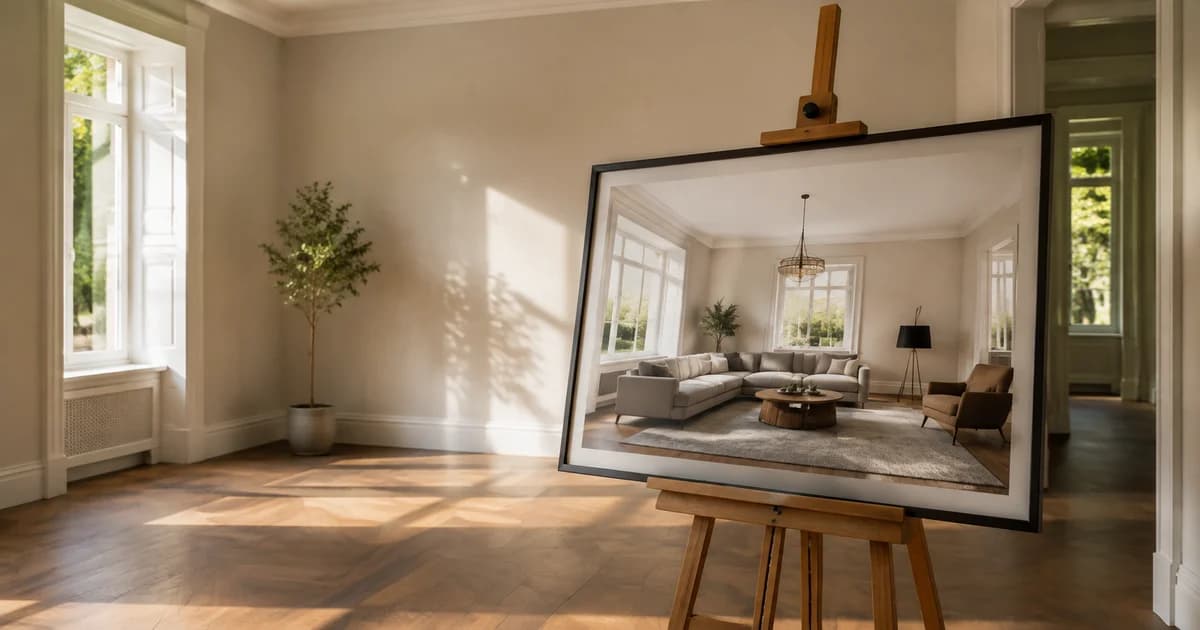
People Buy Possibilities: Why Empty Rooms Need a Visual Story
Empty rooms can leave buyers struggling to picture everyday life. Explore believable Pixoate virtual staging concepts and what home-staging research says.
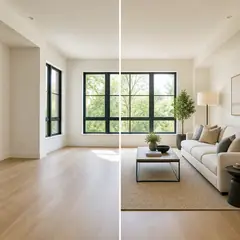
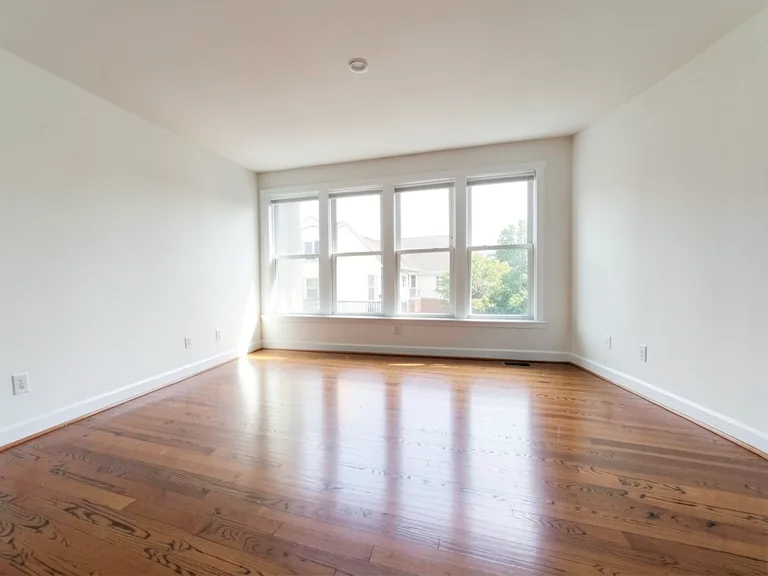
An empty room presents dimensions and surfaces. A buyer also wants to imagine a morning there: where the desk might go, whether a dining area feels plausible and how the room could support everyday life.
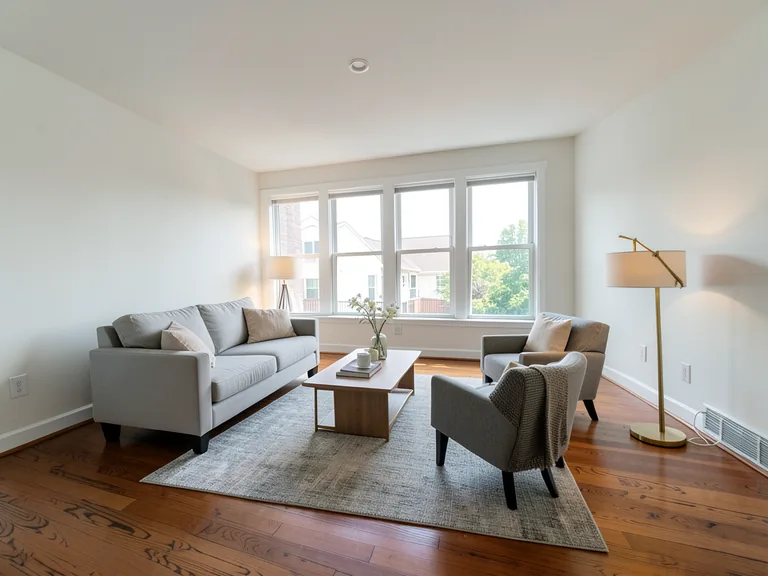
Virtual staging can provide a visual starting point for that imagination. The strongest result suggests a believable use while keeping the real property easy to understand.
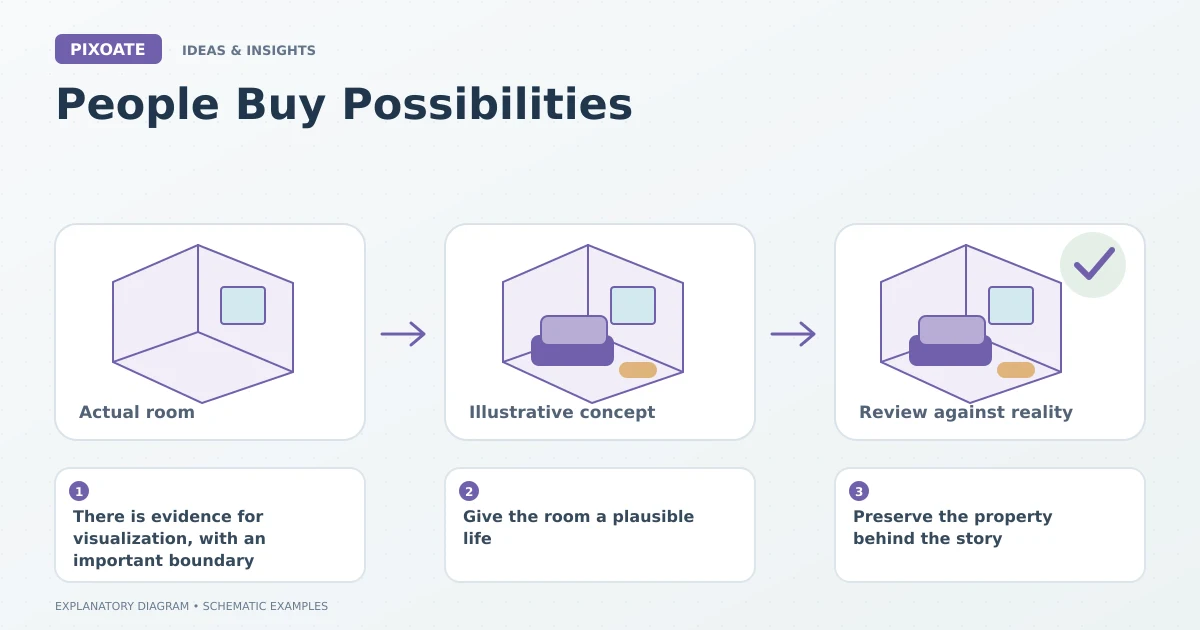
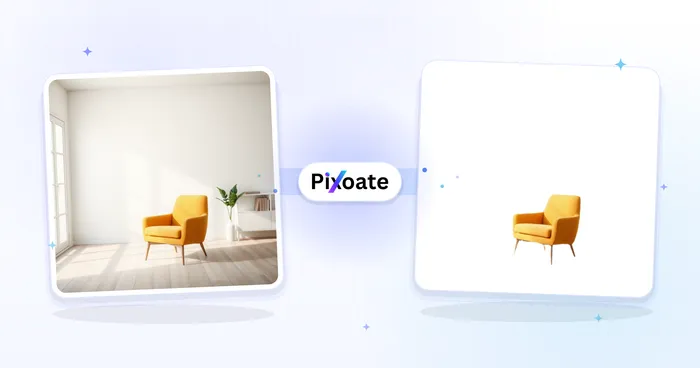
Original explanatory graphic. The scenes and sample records are schematic illustrations, not screenshots or measured tool results.
There is evidence for visualization, with an important boundary
In NAR's 2025 Profile of Home Staging, 83% of buyers' agents said staging made it easier for buyers to visualise a property as a future home. The survey concerns home staging generally [1]; it is not a controlled result proving a sales uplift from AI virtual staging.
That distinction leaves a useful, modest argument: helping someone understand a possible room arrangement is worth considering when an empty photo communicates little purpose.
Give the room a plausible life
Pixoate Virtual Staging AI creates furnishing concepts from suitable room images. Choose a purpose and style that fit the actual space rather than asking every room to become a luxury showpiece.
An awkward spare room may benefit from a modest workspace concept. A living room may need a clear seating arrangement. Real measurements and circulation requirements should guide your review.
Preserve the property behind the story
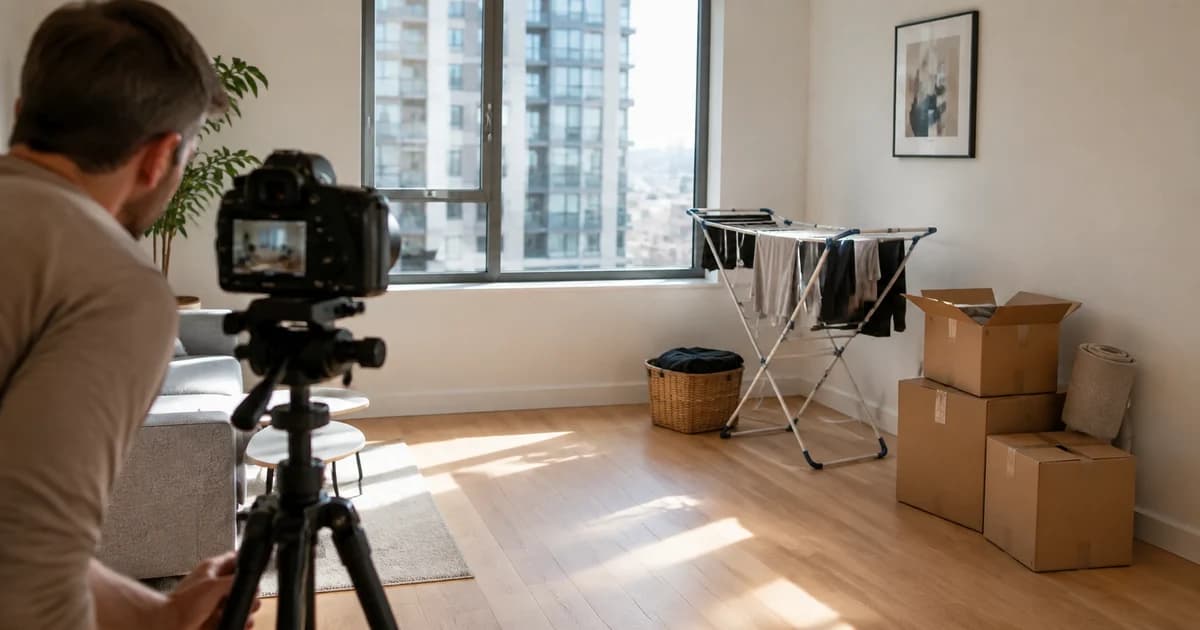
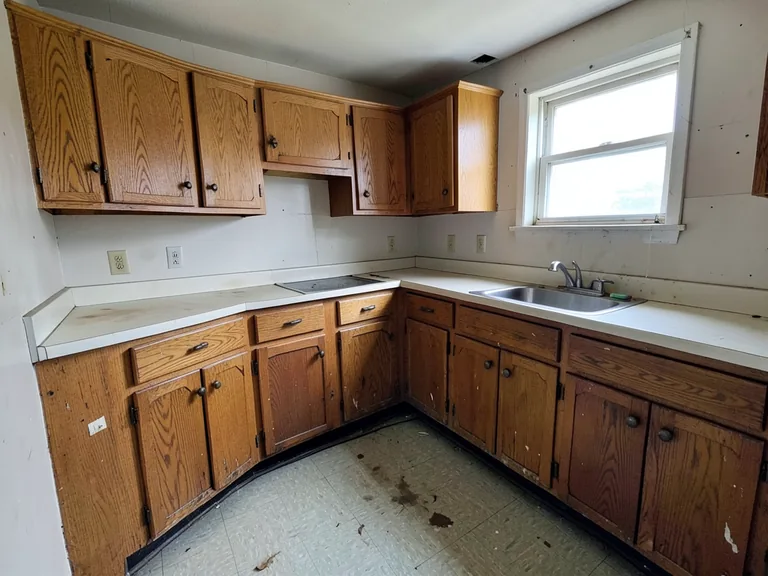
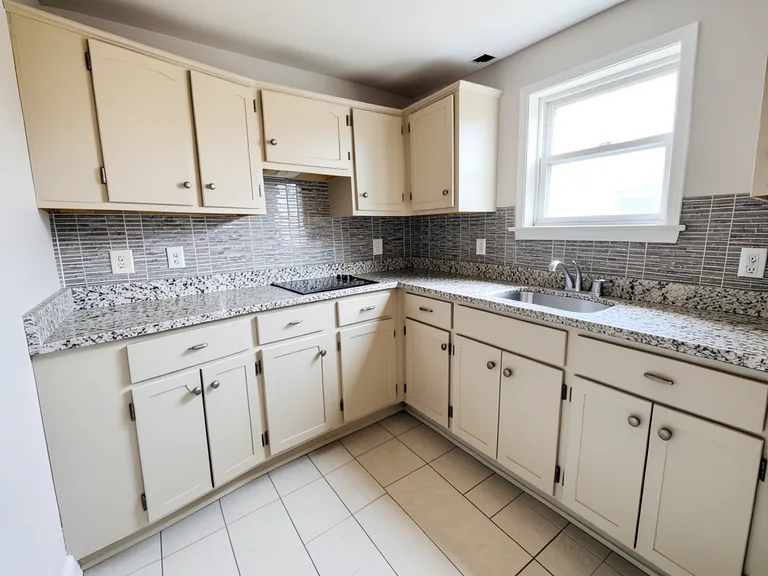
Inspect doors, windows, fixed storage and room shape. A convincing generated image can still alter a feature that matters to the listing.
Use Real Estate Photo Editor for appropriate property-image tasks, keeping original-condition images separate from proposed furnishing or design concepts. Label virtual staging clearly and check the requirements of the relevant publishing workflow.
Keep the invitation honest
The furniture in the picture may not be included, available to purchase or proven to fit exactly. Make those distinctions clear. A staged concept should invite a useful conversation rather than create a promise the viewing cannot fulfil.
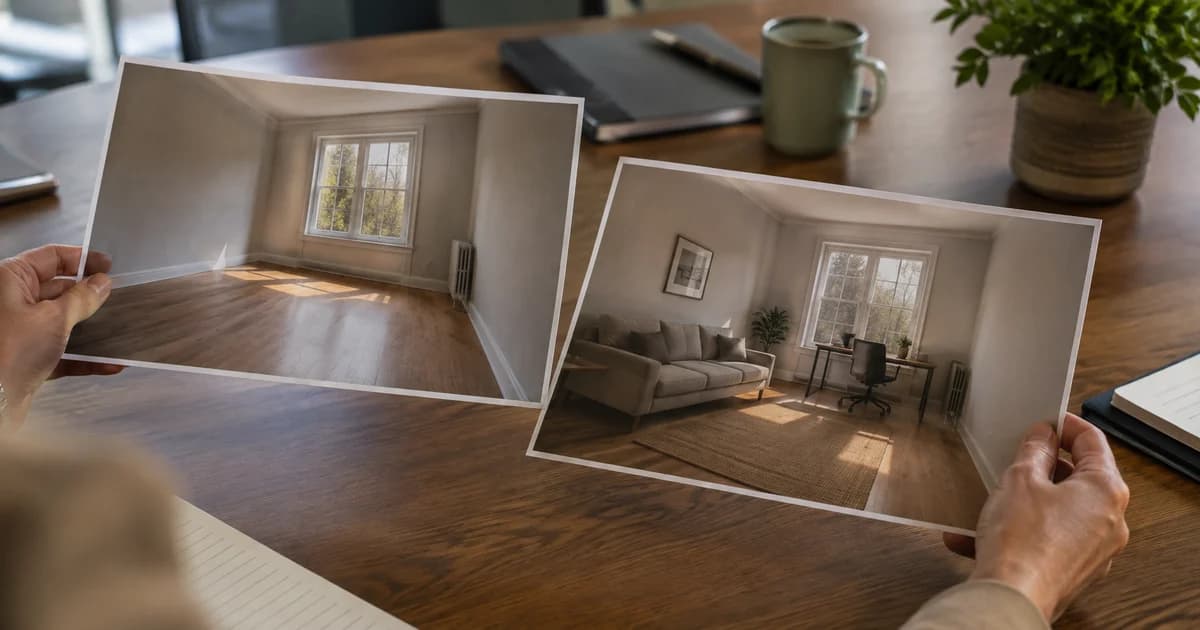
The original empty-room photo remains valuable. Together with a labelled concept and verified property information, it helps the viewer distinguish what exists from what is possible.
Use Pixoate Virtual Staging AI to explore a believable arrangement. The room's appeal should come from making its potential easier to see while preserving trust in the property itself.
Sources
- survey concerns home staging generally:
https://www.nar.realtor/research-and-statistics/research-reports/profile-of-home-staging