
How to Count Livestock From a Photo: Cattle, Sheep and Poultry
Take herd and pen photos that support a count, check every marker, and know when a physical count is still required before a sale.
Written by the Pixoate team. We check how each tool behaves before we describe it, and we date any prices or portal rules we quote.
Anyone who has tried to count a restless herd, a flock in a pen or a shed full of birds knows the problem: animals move, bunch up and hide each other, and a second count rarely matches the first. Yet a number is often needed for a market lot, a transport draft, a feed plan or a daily check.
A photo gives you something to count carefully and review afterward. This guide explains how to photograph livestock so a count is useful, how to check it, and where a physical count is still needed.
The quick answer
- Get a higher, wider view of the herd, flock or pen.
- Photograph when animals are settled and spread out, not bunched.
- Count one type of animal per photo.
- Review every marker and correct the tally.
- Confirm exceptions physically before a sale, transport or welfare decision depends on the number.
What photo counting does well
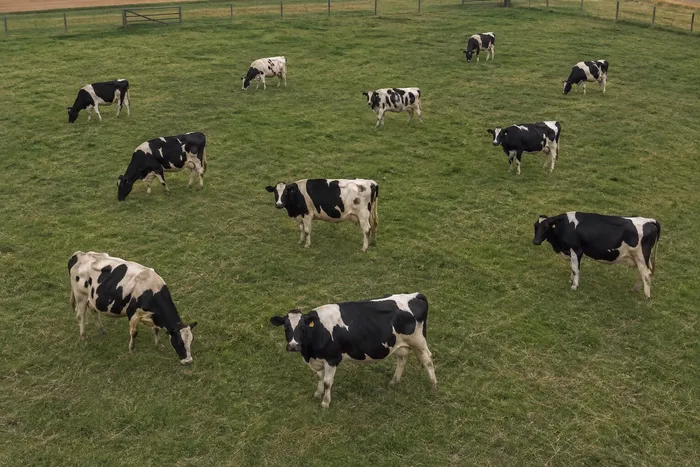
It works best when animals are separate and clearly visible: cattle across a pasture seen from a gate or slope, sheep in a pen, goats in a yard, or poultry in an open area. It is useful for:
- Daily herd and flock checks.
- Preliminary counts of market lots.
- Transport drafts before a physical check.
- Pasture surveys from a drone.
What it cannot do
It counts what the picture shows. Animals hidden behind others, inside shelters or outside the frame are not counted. Heavy bunching causes overlap errors, and a mixed group of species or sizes needs more careful review. It does not assess health, weight, age or condition.
How to take a better livestock photo
- Go higher. A gate platform, a slope, a vehicle roof or a drone view reduces overlap.
- Go wider, but not too wide. Keep animals large enough in the picture to see each one.
- Wait for spread. After feeding or moving, animals often bunch. A few minutes later they usually spread.
- Use good light. Side light with little glare shows outlines. Avoid shooting straight into the sun.
- Split large areas. For a wide pasture, photograph sections and keep notes so no animal is counted twice.
Count with Pixoate
Open the Livestock Counter and upload the photo. It is built for cattle, sheep, goats and poultry, and each detected animal is marked so you can see what was included. For other jobs, the general object counter is available. Premium also includes a live camera counter for counting what is in view.
Review before you rely on the number
- Zoom in on bunched areas and check for animals that have no marker.
- Look for double markers on one animal.
- Check that markers are not on shadows, feeders, posts or rocks.
- In a mixed group, count each type separately.
- Correct the tally to match what you can verify.
Reading a result in a real scene
Imagine a flock of sheep photographed from a gate. A group has gathered around a feeder, a few animals are standing in the shade of a tree, and some lambs are tucked against their mothers. Each of these produces its own kind of error.
Animals clustered at a feeder overlap, so a marker may cover two sheep, or one may be missed entirely. Animals in shade are darker and lower in contrast, so they are the first to be missed. Lambs pressed against ewes can merge into a single shape. Fence posts, rocks and shadows can occasionally pick up a marker that does not belong.
The practical approach is to zoom into those three areas and check them one by one, rather than scanning the whole picture. It also helps to take a second photo a minute later, after the animals have shifted, and compare the two counts. If they agree closely, you can be more comfortable. If they differ, look at why before choosing a number, and do not add the photos together, since they show the same animals.
Know when a physical count is required
Use the photo as a reviewed estimate, and confirm physically when the number affects a sale, a transport document, a regulatory return or an animal welfare decision. If a photo shows far fewer animals than expected, treat it as a reason to look, not a conclusion. Counting timber from log ends follows a similar routine, described in how to count logs and timber from a photo.
Notes by type of animal
Different animals behave differently in photos, and a few habits help for each. Cattle are large and usually easy to see in open pasture, but they bunch around water, feed and shade, and calves can disappear against their mothers. Sheep are smaller and often similar in color, so wool and shadows can merge animals together, particularly when they are tightly grouped or newly shorn animals stand beside woolly ones. Goats climb and wander, so they may appear on rocks, banks and fence lines that are outside your intended frame.
Poultry is the hardest. Birds are small, move constantly and are often in sheds where light is poor, so a photo of a crowded house is rarely reliable. Free-range birds spread across a wide area and can hide in vegetation. Where numbers matter, such as before a sale or a transport, plan on a physical check for poultry and use photos as a quick sense check.
Keep a record over time
Give each count a clear label, such as "North paddock, ewes, morning." Add it to your tally and export it as a CSV file or PDF report. If you are signed in, you can create a setup in Count history for a paddock or pen, record each count with the time and tick that you have checked it, and view the last count recorded each day. Days with no count stay empty, and several photos on one day are not added together.
Decide what difference matters
Before you start counting, decide how much of a difference changes a decision. In a small pen of twenty animals, one missing animal is significant and you will want a physical check. In a large flock, a small percentage difference might not change anything about feed or transport, but a larger one would. There is no universal threshold, because it depends on the value of the animals and the purpose of the count.
Write down your own rule, for example "recount physically if the photo count differs from the expected number by more than a set amount." Having the rule in advance stops you from explaining away a number you did not expect. Photo counting also reduces how often you need to handle animals, which can matter for welfare, but a visual estimate does not replace checking animals that look unwell or are missing.
Safety, permissions and good practice
Getting a high vantage point should never put you or the animals at risk. Use a gate, a stable platform or a vehicle you can stand beside safely, and avoid climbing fences or standing in the path of animals. If you use a drone, check the rules that apply where you are, including any limits on flying over livestock and over land you do not own, because startled animals can injure themselves or each other.
Keep your photos organized as you would any record. Name them with the field or pen, the date and the time. If a count will be used for a sale, a movement document or an insurance claim, keep the marked image with the reviewed number. It shows what was visible, and a good record makes later questions simpler to answer than relying on memory.
Related guides
The same method applies to other stock counted by sight. Read how to count inventory from a photo for the general workflow, and counting boxes and pallets from photos if you also run a store or yard. To count crowds instead, see how to count people in an event photo. For the wider picture, see our overview of counting from photos.
Frequently asked questions
How should I photograph a herd for counting?
Use a higher, wider view from a gate platform, slope or drone to reduce animals hiding each other. Bunching can still cause errors, so review and correct the markers, and confirm exceptions physically.
Does it work with drone photos?
Higher, top-down views of pastures or pens reduce overlap and can support larger visual checks. Split very wide or crowded scenes into sections and review every marker.
Can it tell different animals apart in a mixed herd?
Mixed groups are harder. Separate the types where you can, count each one on its own, and review carefully.
Should I use the count for a sale or transport document?
Use it as a reviewed estimate, and confirm the number physically before it goes on a document or into a transaction.
Photos reduce handling and leave a record, but they never replace a careful look at the animals themselves. If you want to try it, the Livestock Counter works best on a clear photo of a single pen or paddock.