
Do Better Product Photos Increase Sales? What Online Stores Should Measure
Can better product photos increase sales? Learn what to measure, what can distort results and where Pixoate helps improve images worth comparing.
Better product photos can remove uncertainty: what the item looks like, how large it is and what arrives in the box. Whether a particular photo change increases sales in your store is a separate question that needs measurement.
The useful starting point is a buyer problem. Use Pixoate AI Product Photos or Photo Enhancer to address a specific gap, then assess whether the revised image helps the listing do its job.
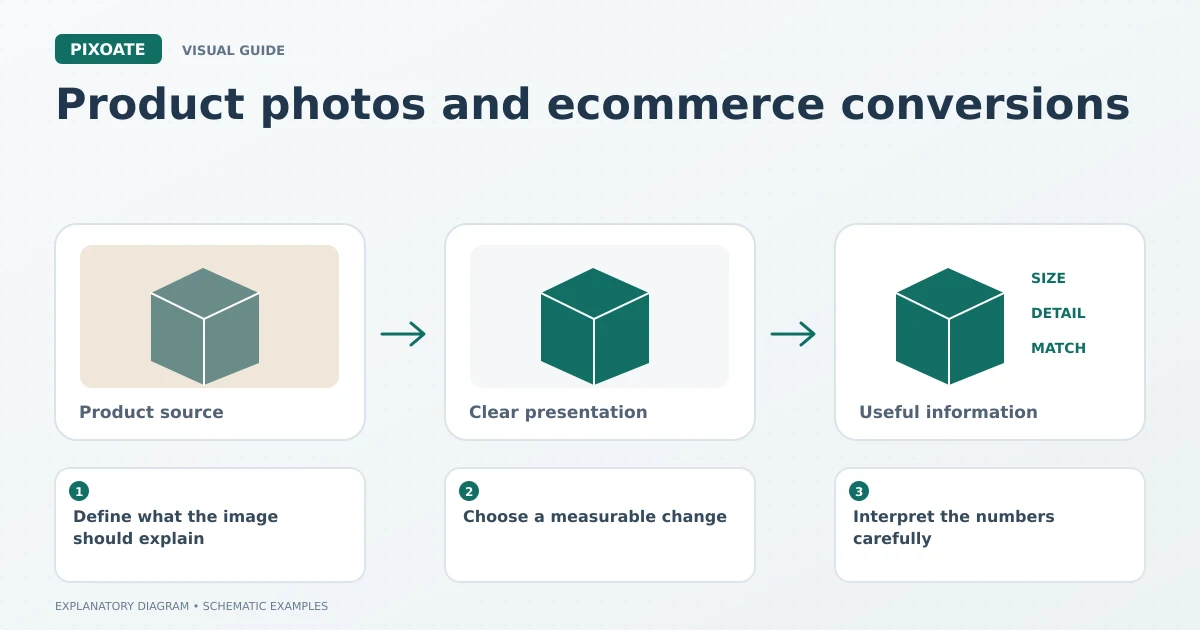
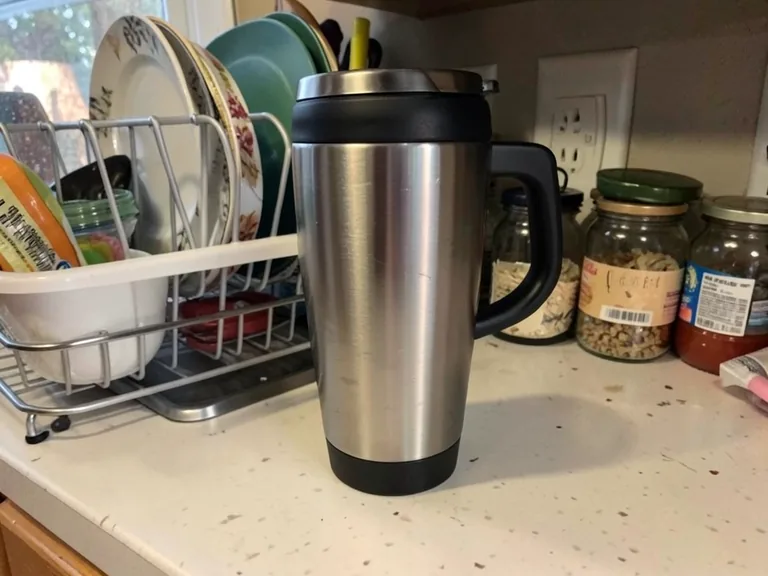
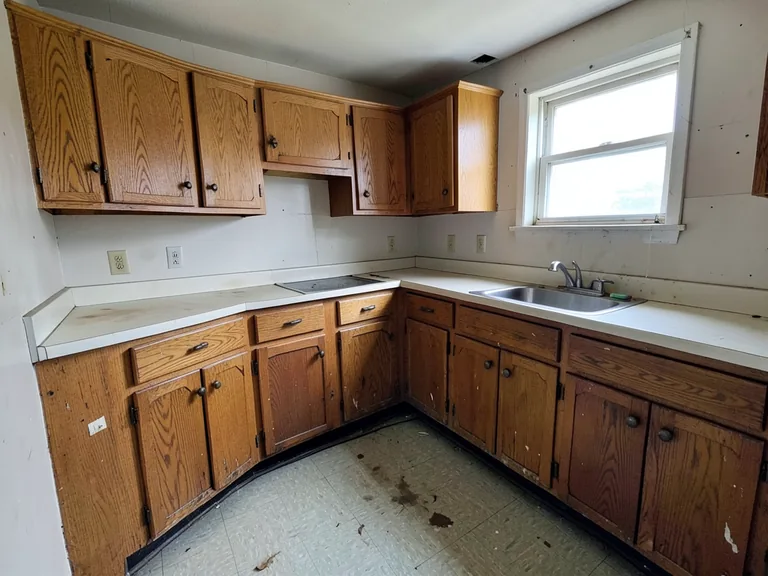
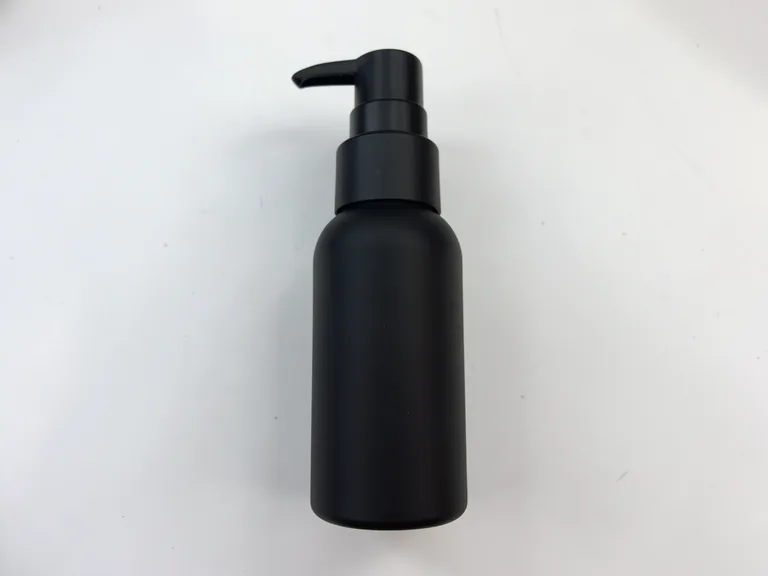
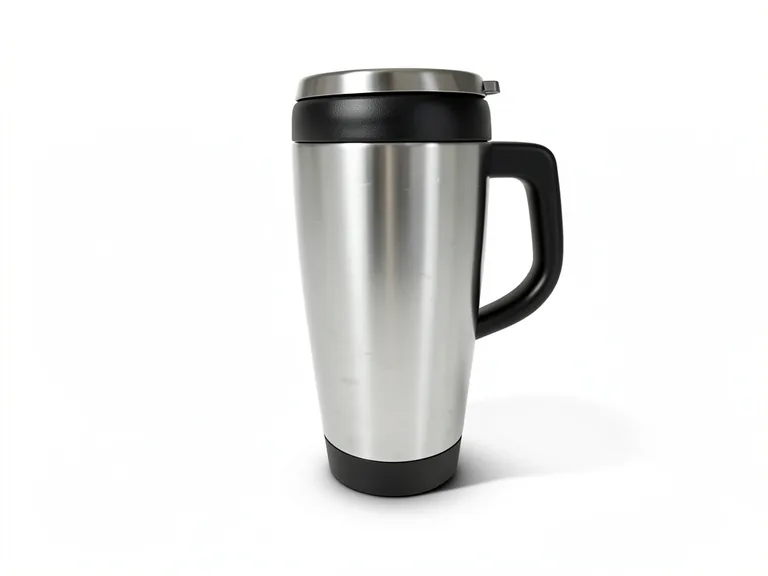
Original explanatory graphic. The scenes and sample records are schematic illustrations, not screenshots or measured tool results.
Define what the image should explain
A blurry label, an unclear pack quantity and a missing view of the fastening are different problems. Write down the question your revised image should answer before choosing an editing technique.
Baymard's product-scale usability research [1] describes shoppers struggling to judge size without suitable visual context. That supports investigating size clarity; it does not supply a conversion-lift percentage for Pixoate or your shop.
Choose a measurable change
For example, replace an unclear detail image with a readable close-up while keeping the rest of the listing stable where practical. Alternatively, add an accurate dimensions graphic if size questions repeatedly arise.
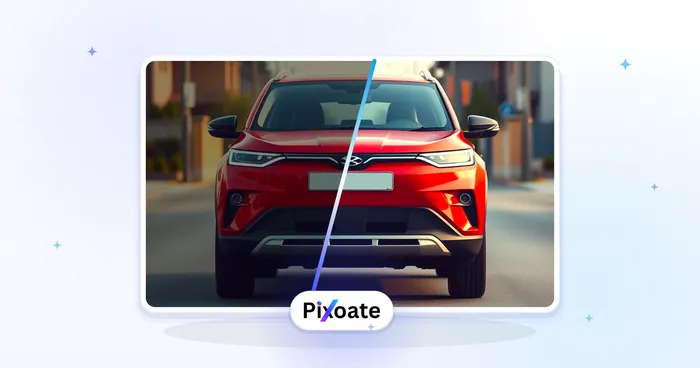
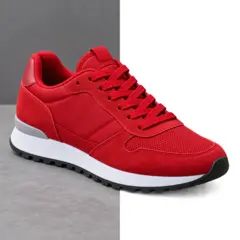
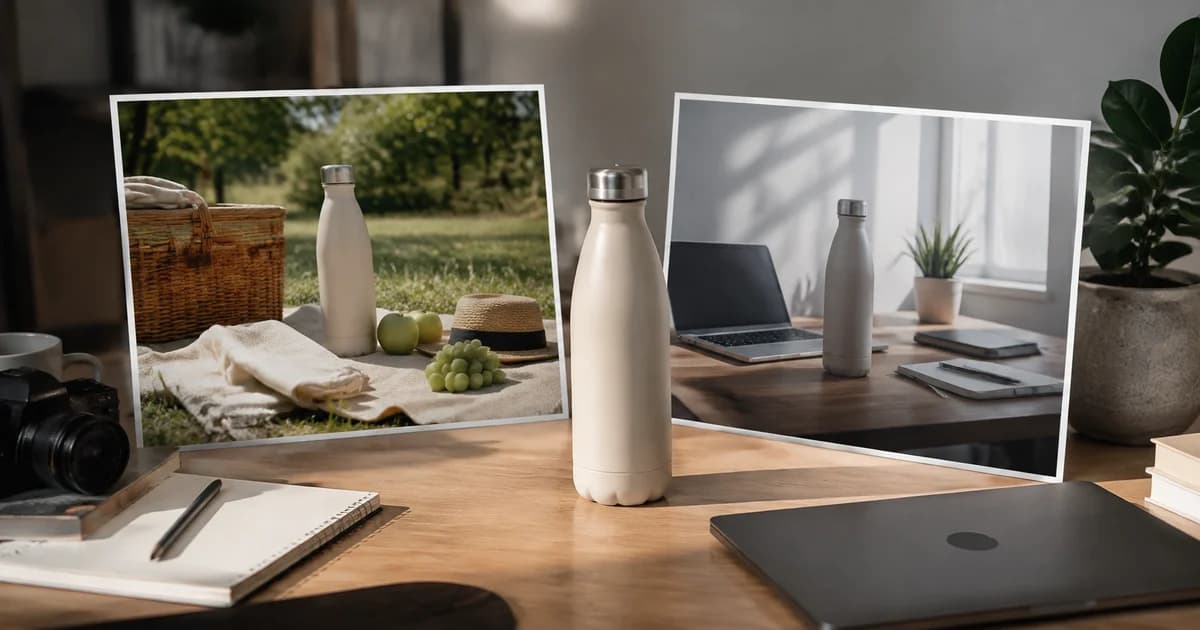
Use Image Compare to review the original and revision. Confirm the revised photo still represents the correct variant, material, quantity and included accessories. Generated lifestyle scenes need additional review for product fidelity and scale.
Interpret the numbers carefully
Suppose an illustrative listing receives 1,000 visits and 20 orders in one period, then 1,000 visits and 24 orders in another. The order-per-visit rate moves from 2% to 2.4%: an increase of 0.4 percentage points, or 20% relative to the original rate.
Those invented numbers demonstrate the calculation only. They do not prove that the photo caused the difference. Traffic mix, promotions, stock availability, pricing, seasonality and random variation can all matter.
Where your platform provides a suitable experiment, use it thoughtfully. Otherwise, describe a before-and-after comparison as observational and record other changes that occurred.
Look beyond orders alone
| Signal | Question it helps investigate |
|---|---|
| Product-page conversion | Are similar visits becoming orders more often? |
| Repeated customer questions | Is the image answering the intended uncertainty? |
| Variant selection problems | Do images match what customers select? |
| Product-related feedback | Are expectations closer to the delivered item? |
An attractive image that creates the wrong expectation is not a successful improvement. Read the qualitative feedback alongside any numerical trend.
Does AI photography guarantee better conversions?
No. It provides creative options and can help address visual problems. The business result depends on the product, audience, accuracy of the image and the rest of the buying experience.
Begin with one clear question and one reviewed change. Use Pixoate's product-photo tools to create the candidate image, then let your own carefully interpreted evidence guide the next decision.
Sources
- product-scale usability research:
https://baymard.com/blog/in-scale-product-images