

How it works
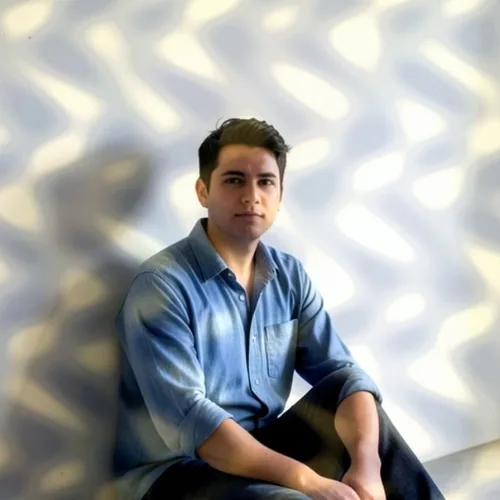
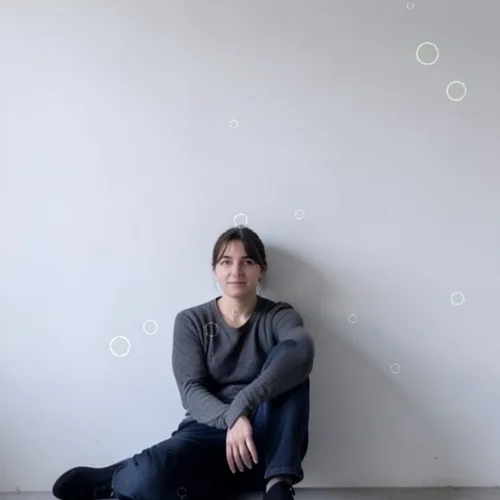
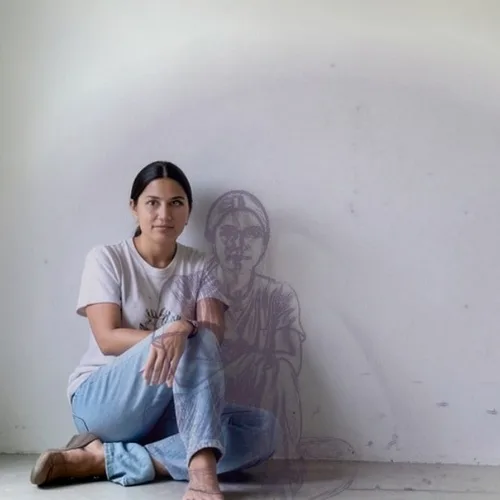
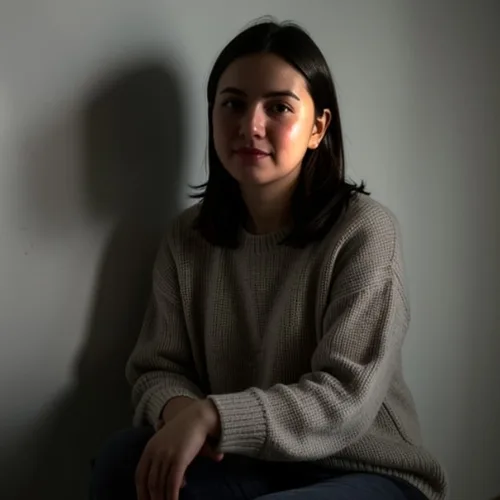
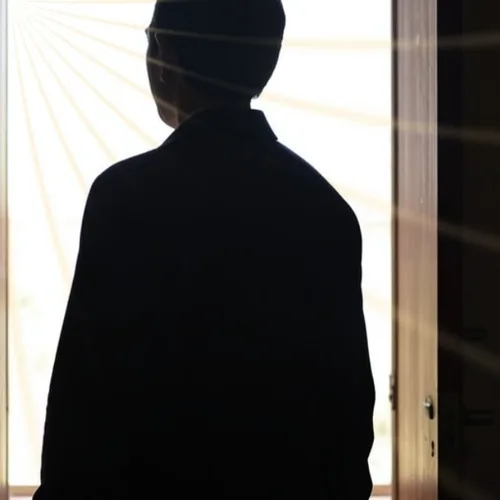
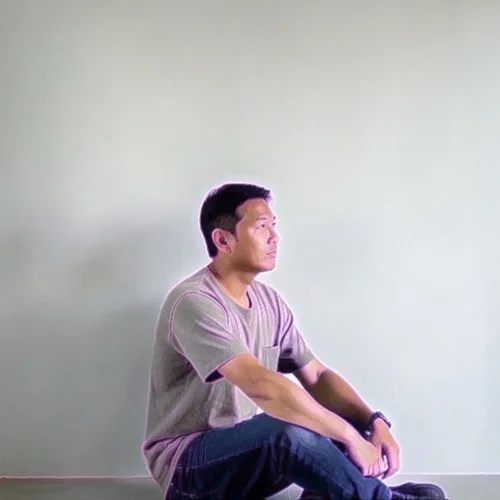
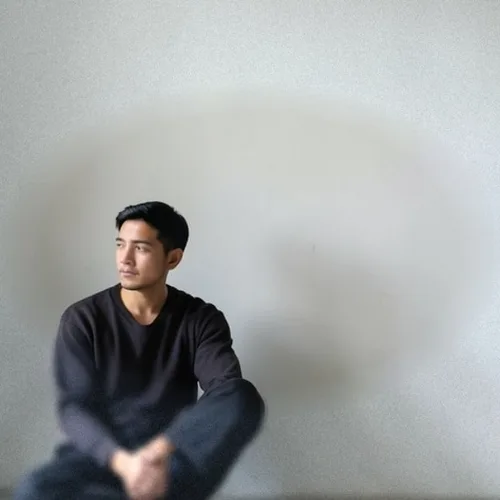
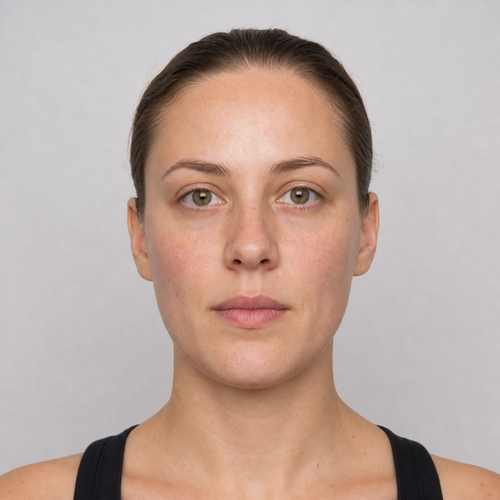
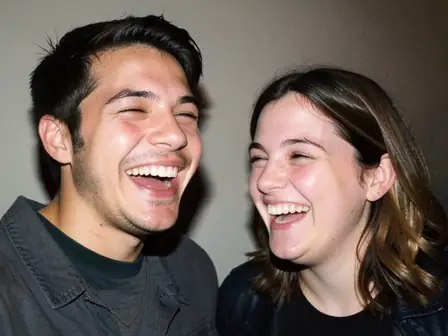
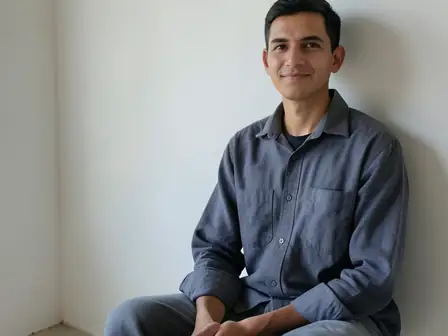
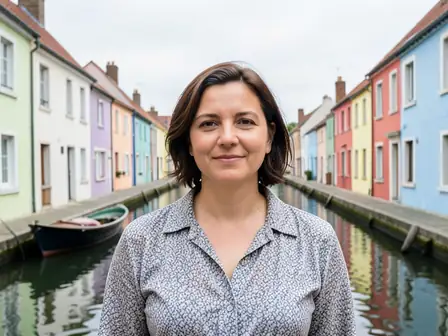
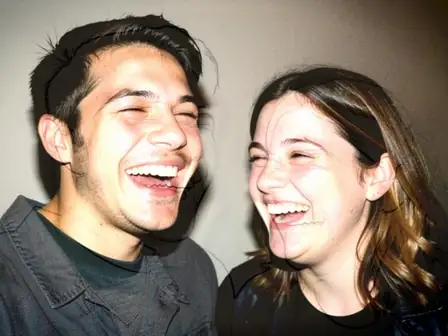
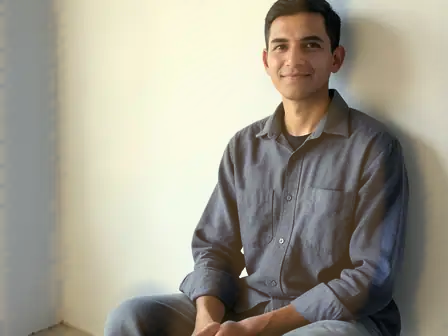
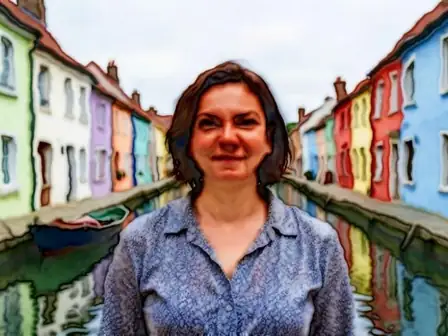
The tool reads the broad shape of your scene from its relative depth and adds warm, low evening light from the left, with cooler tones on surfaces facing away from it. Intensity changes how strong the lighting is. Nothing in your photo is moved, copied, or repainted, framing and transparency stay the same, and the result is a lossless PNG. It does not rebuild real 3D geometry, remove the existing light, or add new shadows, rim light, or reflections. Flat or mistaken depth, glass, mirrors, reflections, smoke, fine hair or foliage, and strong existing directional light can put the tone on the wrong surface; lowering the intensity helps but cannot fix the original lighting.