Create an AI Cartoon Pet Portrait for a Gift or Profile
Turn a pet photo into original cartoon artwork. Choose a style, preserve distinctive markings and review anatomy, cropping and output before making a gift.
Your pet has one perfect expression in a photograph, but the background is a laundry basket and half a sofa. You want something playful for a birthday card, profile picture or keepsake without losing the markings that make the animal recognisable.
Pixoate's AI cartoon generator for pet photos can create an illustrated interpretation from a reference image. You choose a visual direction, review the instructions and check the generated result before using it.
Start with the features you want to preserve
Choose a photo where the eyes, ears and distinctive markings are clear. A sharply lit face is usually a more useful reference than a distant pet half hidden behind furniture. Keep the original file so you can compare the result directly.
Write down the details that matter: a white chest patch, one darker ear, a short tail or a particular collar. Generative output can change them even when the overall image looks attractive.
For a family gift, recognise that likeness may matter more than elaborate scenery. A simple background gives the character room to remain the focus.
How to turn a pet photo into a cartoon
- Open the Pixoate AI cartoon effect generator and upload your pet photograph.
- Choose a direction such as 3D animation, 2D vector-style, comic or clay.
- Review and edit the prompt to describe the important features and the kind of background you want.
- Generate the image and compare it with the reference, checking anatomy and markings.
- Download a result only after the features you care about pass that review. Check the current access and export terms shown in the interface.
A useful prompt is: “Create an original friendly cartoon of this dog. Keep the white chest patch, darker left ear and red collar recognisable. Use a simple warm background with no words or logos.” That is a request to the model, not a promise of exact preservation.
Choose a style for the final use
A clean, simple cartoon can work well as a small profile image because the face stays readable. A clay-style or 3D illustration may suit a larger card. Comic effects introduce more texture, which can become busy when the image is reduced.
The “vector-style” direction describes an appearance. It does not by itself promise an editable SVG or a vector drawing file. Check the actual output format before promising a print supplier a particular type of artwork.
For a gift, add the person's or pet's name separately with text added to the finished image. This gives you a direct spelling check instead of depending on generated lettering.
Review more than the face
Count paws and inspect legs, whiskers, collars and tails. Check whether markings continue consistently across the body. For a group of pets, verify that one animal has not disappeared or borrowed another's features.
If the result is wrong, simplify the instructions or choose a clearer reference. Repeatedly adding elaborate details can make it harder to preserve the one feature that matters most.
Use an original style description rather than asking for an exact copy of a protected character or logo. If the artwork is intended for sale, check your rights to the source photograph and the applicable Pixoate terms of service.
Prepare the final image for a card or profile
Check the crop on the destination. Leave enough room around the ears for a circular profile preview. For printing, request the printer's dimensions and inspect a proof; a large-looking preview does not establish the final print quality.
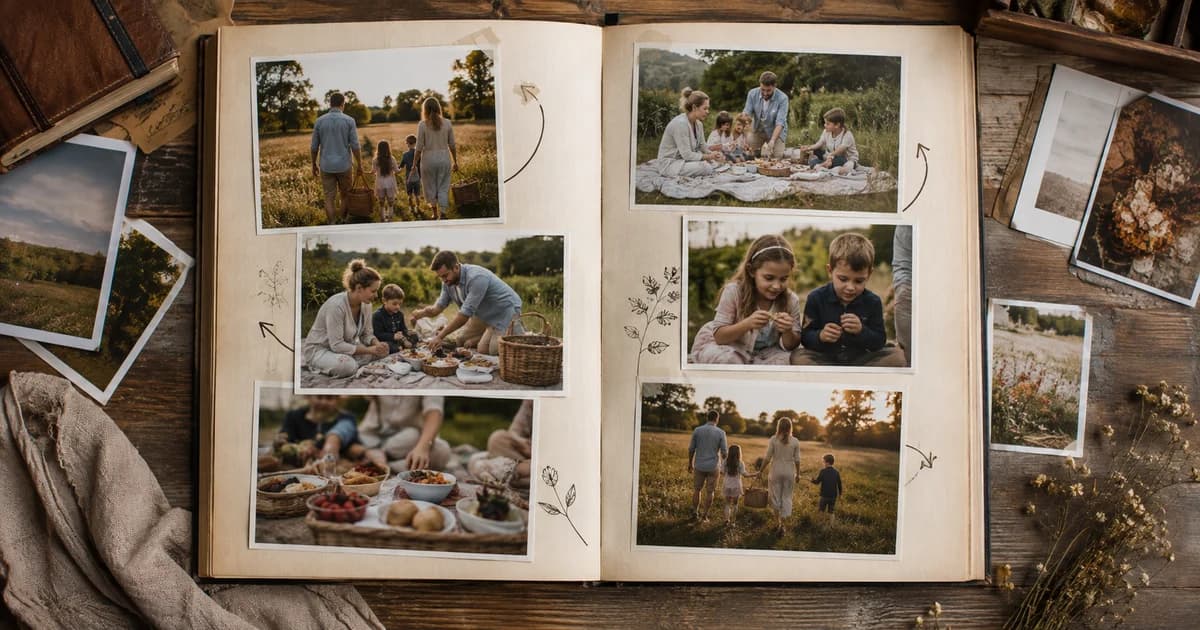
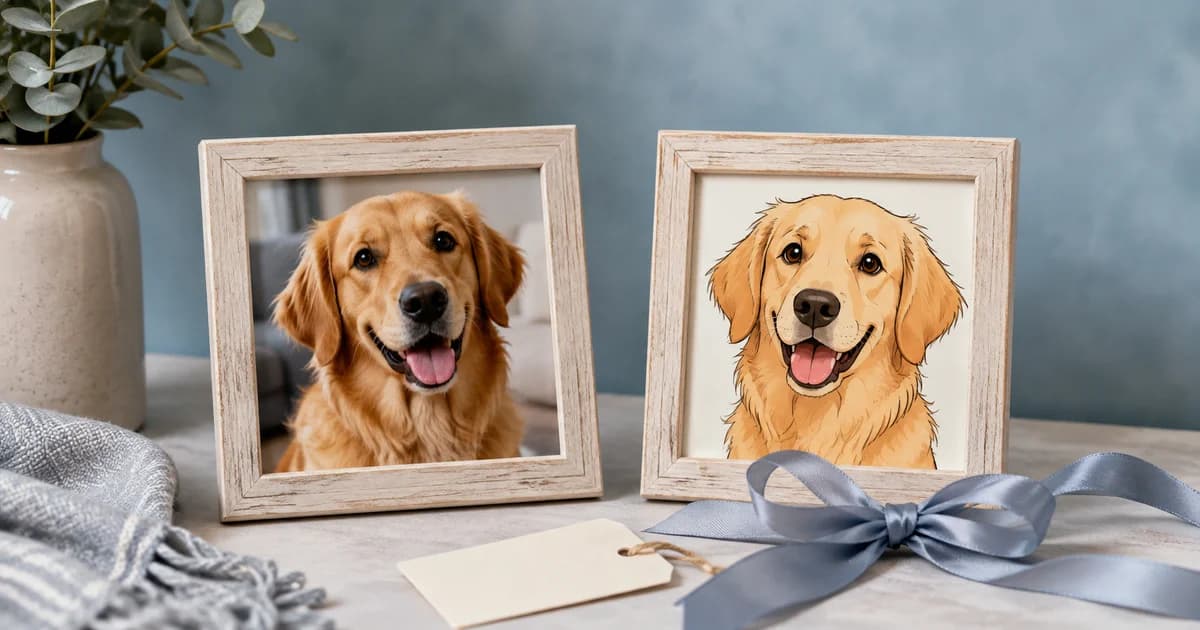
You can combine the original and cartoon in a two-image keepsake collage. This also makes the transformation part of the gift rather than pretending the illustration is a photograph.
Can I cartoonise a person instead?
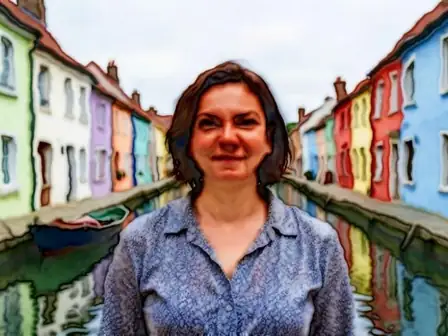
The tool supports photo-based cartoon artwork. Use a photograph you have permission to edit and review likeness and anatomy just as carefully.
Will the same prompt always give the same image?
Do not assume identical results between generations. Save the version you approve rather than relying on recreating it later.
Start with one clear reference and create a cartoon pet portrait whose recognisable details matter more than the decorative effects.