

Convert JPG to WebP for Printing
Conversion setup loaded automatically
Convert JPG to WebP for printing. Keep the quality high so photos and documents come out crisp on paper, with temporary uploads deleted automatically.
- Print-shop and office-printer handoffs
- High-quality proofs and reference sheets
- A compatible copy while keeping the source archive
Drop a JPG image or click to browse
JPG to WebP for print work: when it fits and which setting to use
WebP was designed for screens, and print shops and photo labs commonly ask for JPG, TIFF or PDF. Before converting a photo you plan to print, check the upload form of the service; if WebP is not listed, keep your JPG or switch the Output format in Settings to TIFF.
When WebP is accepted, for example by an online album builder or a designer collecting files for a layout, turn on Lossless mode. A lossless WebP stores the JPG's pixels exactly, so no second layer of compression is added; the lossy setting at 90 looks fine on screen but is still another lossy pass. Expect a lossless WebP made from a JPG photo to be larger than the JPG itself.
There is a hard size limit as well: a WebP image can be at most 16,383 pixels on a side, which matters only for very wide panoramas. The usual print check still applies. Divide the pixel width by 300 to see how many inches it covers at the resolution many shops request, and upscale with AI if it falls short.
Before the file goes to print
- The service accepts WebP; otherwise send the JPG or a TIFF
- Lossless mode is switched on
- Neither side of a panorama is longer than 16,383 pixels
- Pixel width divided by 300 covers the print width in inches
Set up for Convert JPG to WebP for Printing
Prepared settings
- Starting point
- JPG source image
- The upload accepts the source type for the jpg-to-webp converter directly.
- Prepared workflow
- JPG → WebP for Printing
- The destination format and use context are already identified; only the real file is still required.
- Output control
- WebP output
- Use quality or lossless controls when the destination format supports them.
- Review rule
- Open the WebP result before publishing
- Check transparency, color, and visible detail because formats represent those properties differently.
Best-fit uses
- Print-shop and office-printer handoffs
- High-quality proofs and reference sheets
- A compatible copy while keeping the source archive
Frequently asked questions
- What quality should I use when converting JPG to WebP for print?
- Use the highest quality setting for print — printers resolve more detail than screens, so avoid heavy compression.
- Does converting JPG to WebP lose detail?
- At high quality the loss is minimal. For archival or large-format print, keep quality at or near maximum.
- Can I adjust the WebP output quality?
- Yes. Review the converted WebP result and adjust quality when that format supports it. Keep a higher setting for detail, or lower it when file size matters more.
- What happens to my JPG upload after conversion?
- The file is used only to create the requested WebP result and is automatically deleted after the temporary processing period.
What you can do with JPG to WebP
Review the main capabilities before you begin.
- Convert JPG photos to lightweight WebP
- Cut file size 25-35% at the same visual quality
- Speed up your website and improve PageSpeed
- Choose lossless mode for pixel-perfect output
- Tune WebP quality to hit your size target
- Batch-convert whole photo folders to WebP
Settings reference
5 settings
Available controls for JPG to WebP.
Settings
- Output formatDropdown
- Chooses the file type you download. The page opens on its own output format; switch to any other format before converting.Options: JPGPNGWebPAVIFGIFTIFFBMPICOPDF
- QualitySliderRange: 20–100 · Default: 90
- For JPG, WebP, AVIF and image-to-PDF output: higher keeps more detail but makes a bigger file; 60–80 suits most photos. Documents (Publisher, XPS, EPS…) become PDFs with every page and sharp text, with no quality setting.
- Lossless modeOn / Off
- For WebP and AVIF output: keeps every pixel exactly (best for logos, graphics and transparency) at the cost of a larger file.
- Background fillColor picker
- For JPG, BMP and image-to-PDF output, which can't store transparency: the color that fills transparent areas (white by default).
Mode
- Single file / BatchDropdown
- Process one file or a batch with shared settings. Batch results download as one ZIP.Options: Single fileBatch
Popular use cases
Related tools for Convert JPG to WebP for Printing
Tools for common next steps after Convert JPG to WebP for Printing.
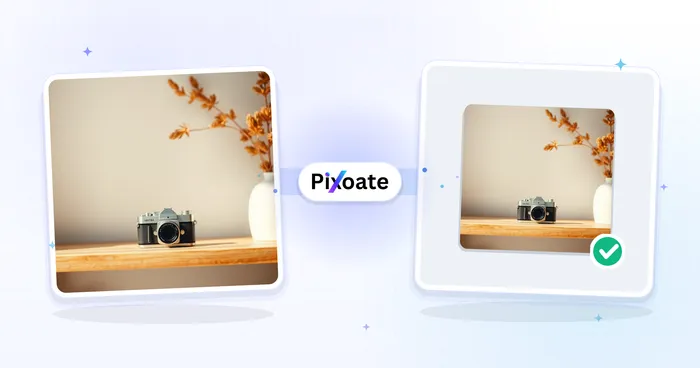
Photo Editing & Utilities
Compress Image to KB
Compress JPG, PNG or WebP files toward a chosen size such as 20KB, 50KB or 100KB, then review the result.
Try it now
Photo Editing & Utilities
Resize Image
Resize an image to exact dimensions or by percentage. Preview and download the result.
Try it now
Photo Editing & Utilities
Image Compare Slider
Compare two images with a reveal slider and export a before-and-after PNG.
Try it nowHow JPG to WebP helps you get it done
Real problems it solves every day — for businesses, creators, and everyday tasks. Find the use case that fits you and start.
Speed Up E-commerce Product Galleries
Batch-convert an entire product photo folder to WebP at 80-90% quality and download one ZIP, cutting Shopify or WooCommerce gallery weight by 25-35% with no visible quality loss.
Boost Core Web Vitals & PageSpeed Score
Convert JPG hero images and blog photos to WebP to shave real weight off your LCP image, the single biggest lever for a better Google PageSpeed and Core Web Vitals score.
Lossless WebP for Logos & UI Screenshots
Turn on Lossless mode to re-encode flat-color graphics, logos and screenshots pixel-for-pixel as WebP — smaller than PNG with zero compression artifacts on sharp edges and text.
Cut Mobile Data Usage for Readers in Bandwidth-Constrained Regions
Convert blog and article images to WebP at 70-80% quality so visitors on slow or capped mobile connections load pages faster and burn less of their data plan — a common requirement for publishers targeting emerging markets or a global mobile-first audience.
Guides for this tool
- How to Reduce Shopify Image File Sizes While Keeping Product Details ClearReduce Shopify image file sizes with Pixoate while checking labels, texture and edges. Compare resizing, compression and suitable export formats.
- WebP vs AVIF for Ecommerce Images: File Size, Quality and CompatibilityCompare WebP and AVIF for ecommerce images. Review quality, file size and upload compatibility before converting product photos with Pixoate.
Watch each transformation land
Every photo crosses the slash untouched and comes out the other side finished.