

Convert JPG to WebP for Web
Conversion setup loaded automatically
Convert JPG to WebP for the web. WebP is widely supported by browsers and site builders, and you can check the file size of the result before you upload it, so your pages stay quick without visible loss. Files auto-delete after processing.
- Website and CMS uploads
- Faster-loading product and editorial images
- Browser-compatible image delivery
Drop a JPG image or click to browse
Converting JPG photos to WebP for faster pages
This is the conversion most site owners come for. The page opens with WebP selected at quality 90 and Lossless mode off. Every current major browser displays WebP, and a lossy WebP is usually smaller than a JPG of similar visual quality, so the same photo costs visitors fewer kilobytes.
Start lower than the default. Quality 90 is cautious; for photos, try 70 to 80 and check the result against the original with the before-and-after comparison slider, looking at skies, skin and fine texture, where compression shows first. Leave Lossless mode for graphics, since on a photo it produces a much larger file. The converter keeps the JPG's pixel dimensions, so a camera photo several thousand pixels wide still needs resizing to its display width.
Phone photos are turned upright using the orientation the camera recorded, so portraits will not appear sideways on the page. For a whole gallery, Premium converts up to 60 files in one batch and Pro up to 200, with one setting for all of them and a single ZIP to download.
Before you replace the JPGs
- Compare a few images at actual size, not only as thumbnails
- Confirm your CMS or theme accepts .webp uploads
- Keep the original JPGs for email, print and reposting
Set up for Convert JPG to WebP for Web
Prepared settings
- Starting point
- JPG source image
- The upload accepts the source type for the jpg-to-webp converter directly.
- Prepared workflow
- JPG → WebP for Web
- The destination format and use context are already identified; only the real file is still required.
- Output control
- WebP output
- Use quality or lossless controls when the destination format supports them.
- Review rule
- Open the WebP result before publishing
- Check transparency, color, and visible detail because formats represent those properties differently.
Best-fit uses
- Website and CMS uploads
- Faster-loading product and editorial images
- Browser-compatible image delivery
Frequently asked questions
- Why convert JPG to WebP for a website?
- WebP is broadly supported by browsers and site builders. Whether it is smaller than the JPG depends on the image, so compare the file size shown with the result and lower the quality where the format allows it if page weight matters.
- Will the WebP look the same on my site?
- For most images the difference is invisible at web sizes. Use the quality control to balance sharpness against file size.
- Is this JPG-to-WebP converter free?
- Yes — convert and download without creating an account. Your upload is auto-deleted after conversion.
- Can I adjust the WebP output quality?
- Yes. Review the converted WebP result and adjust quality when that format supports it. Keep a higher setting for detail, or lower it when file size matters more.
What you can do with JPG to WebP
Review the main capabilities before you begin.
- Convert JPG photos to lightweight WebP
- Cut file size 25-35% at the same visual quality
- Speed up your website and improve PageSpeed
- Choose lossless mode for pixel-perfect output
- Tune WebP quality to hit your size target
- Batch-convert whole photo folders to WebP
Settings reference
5 settings
Available controls for JPG to WebP.
Settings
- Output formatDropdown
- Chooses the file type you download. The page opens on its own output format; switch to any other format before converting.Options: JPGPNGWebPAVIFGIFTIFFBMPICOPDF
- QualitySliderRange: 20–100 · Default: 90
- For JPG, WebP, AVIF and image-to-PDF output: higher keeps more detail but makes a bigger file; 60–80 suits most photos. Documents (Publisher, XPS, EPS…) become PDFs with every page and sharp text, with no quality setting.
- Lossless modeOn / Off
- For WebP and AVIF output: keeps every pixel exactly (best for logos, graphics and transparency) at the cost of a larger file.
- Background fillColor picker
- For JPG, BMP and image-to-PDF output, which can't store transparency: the color that fills transparent areas (white by default).
Mode
- Single file / BatchDropdown
- Process one file or a batch with shared settings. Batch results download as one ZIP.Options: Single fileBatch
Popular use cases
Related tools for Convert JPG to WebP for Web
Tools for common next steps after Convert JPG to WebP for Web.
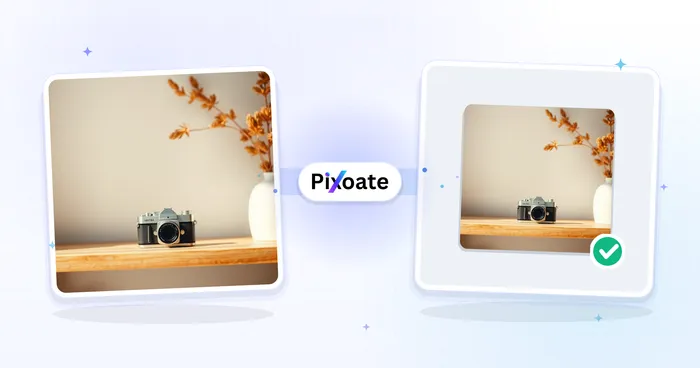
Photo Editing & Utilities
Compress Image to KB
Compress JPG, PNG or WebP files toward a chosen size such as 20KB, 50KB or 100KB, then review the result.
Try it now
Photo Editing & Utilities
Resize Image
Resize an image to exact dimensions or by percentage. Preview and download the result.
Try it now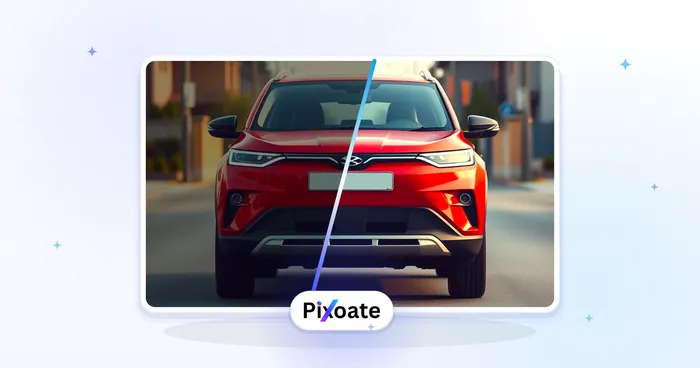
Photo Editing & Utilities
Image Compare Slider
Compare two images with a reveal slider and export a before-and-after PNG.
Try it nowHow JPG to WebP helps you get it done
Real problems it solves every day — for businesses, creators, and everyday tasks. Find the use case that fits you and start.
Speed Up E-commerce Product Galleries
Batch-convert an entire product photo folder to WebP at 80-90% quality and download one ZIP, cutting Shopify or WooCommerce gallery weight by 25-35% with no visible quality loss.
Boost Core Web Vitals & PageSpeed Score
Convert JPG hero images and blog photos to WebP to shave real weight off your LCP image, the single biggest lever for a better Google PageSpeed and Core Web Vitals score.
Lossless WebP for Logos & UI Screenshots
Turn on Lossless mode to re-encode flat-color graphics, logos and screenshots pixel-for-pixel as WebP — smaller than PNG with zero compression artifacts on sharp edges and text.
Cut Mobile Data Usage for Readers in Bandwidth-Constrained Regions
Convert blog and article images to WebP at 70-80% quality so visitors on slow or capped mobile connections load pages faster and burn less of their data plan — a common requirement for publishers targeting emerging markets or a global mobile-first audience.
Guides for this tool
- How to Reduce Shopify Image File Sizes While Keeping Product Details ClearReduce Shopify image file sizes with Pixoate while checking labels, texture and edges. Compare resizing, compression and suitable export formats.
- WebP vs AVIF for Ecommerce Images: File Size, Quality and CompatibilityCompare WebP and AVIF for ecommerce images. Review quality, file size and upload compatibility before converting product photos with Pixoate.
Watch each transformation land
Every photo crosses the slash untouched and comes out the other side finished.