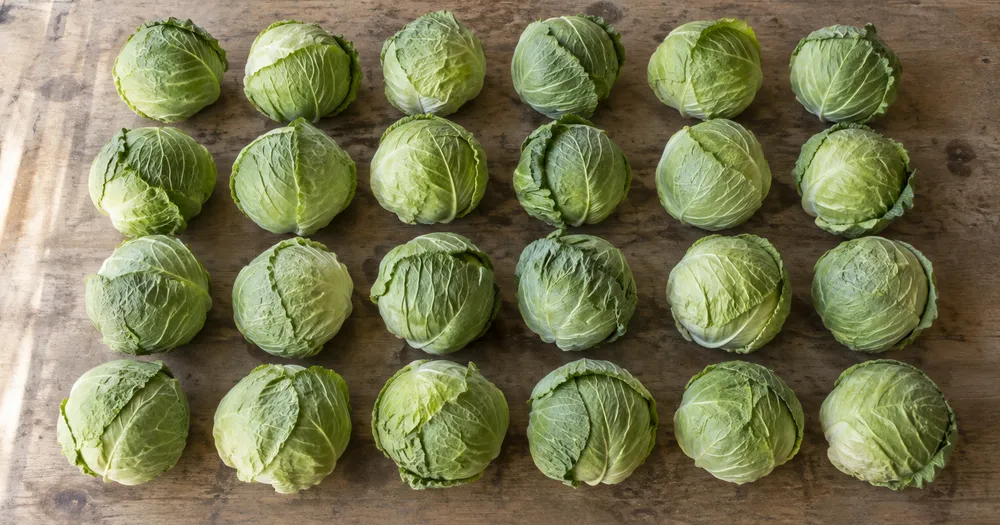
Count cabbages in a row from a photo
Works with JPG, PNG, WEBP · Free up to 20 MB, Premium 50 MB
Photograph along the rows from above or a high angle so each of the cabbages is distinct; count bed by bed and combine in the tally sheet. Built for farms, packhouses and produce wholesalers — review and correct each photo before adding it to a CSV or PDF tally.
- Review the photo, then count visible cabbages
- Upload a photo and get an automatic count
- Review the markers to catch cabbages counted twice or missed
- Free to use · No signup required · Without watermark
Upload Image
Tips for an accurate count
• Use an even, well-lit photo with the cabbages fully in frame
• Keep your cabbages visible and avoid overlapping items
• Dots and heatmap show retained detections — review and correct the tally
About the Cabbages Counter
The cabbages counter counts visible cabbages from your photo and marks detections for review. Counting starts automatically once the photo and item are ready. Visibility, overlap and similar-looking items can affect the total. Built for farms, packhouses and produce wholesalers.
How It Works
1. Photograph your cabbages
2. Upload your photo to count cabbages automatically
3. Review the markers and correct the tally if needed
4. Add to the tally sheet and export your count as CSV
Perfect For
• Row-by-row yield estimates before harvest planning
• Checking crate fills against the field count
• Packhouse dispatch tallies for a wholesale order
• Comparing planted rows against harvestable heads
Counting cabbages and other headed crops row by row
Growers count cabbages to estimate yield before harvest, to compare planted rows with harvestable heads and to check crate fills for a wholesale order. Each head sits inside a rosette of outer leaves that overlaps its neighbors, so the firm head is the part to count. Photograph one bed or section at a time from a high angle along the rows, or straight down from a drone, so the heads appear as separate rounds.
If outer leaves join neighbors into one green mass, mark one head as an example, boxing the head itself rather than the whole leafy plant. Gaps in the row are worth noting, since they explain the difference between planted and harvestable counts. Weeds, drip lines and foreground leaves can earn dots, and plants at the edge of the frame may be cut in half, so frame the bed with both ends inside the photo. Lettuce, cauliflower and other headed crops work the same way once you change the item in What to count.
Add each bed as a tally row and keep the same height and angle for repeat counts so they can be compared through the season. Younger plants in trays are covered on the seedling counter, and potted or bedded stock on the plant counter.
Frequently asked questions
- How do I count long rows or beds?
- Photograph one bed or section at a time from as high an angle as practical, keep rows in focus, then review and correct each result before adding it to the tally sheet. Marked photos support review but are not proof of physical quantity.
- What if the photo has more than just cabbages in it?
- The counter automatically looks for cabbages in your photo. Similar-looking distractors can still affect the result, so review every marker before using the total.
- Can I count several photos into one total?
- Yes — count each photo and add every reviewed result to the tally sheet as a labelled row. Export the tally as CSV or a PDF report, or save it to your account.
- Is it free and private?
- Yes. You can count, review and download a free result without an account. Downloads are free without a watermark. No signup required. Server-processed photos are encrypted in transit and removed under our Security policy.
What you can do with Fruit Counter
Review the main capabilities before you begin.
- Count fruit in crates, trays and harvest bins
- Tally apples, oranges, mangoes and more
- Review each counted-fruit marker before estimating yield
- Track harvest totals across labelled bins
- Batch-count many crates in a bulk audit
- Optionally mark a fruit to refine clustered piles
Settings reference
14 settings
Available controls for Fruit Counter.
Upload
- Single photo / Bulk auditPresets
- Choose a single-photo count or a Premium bulk audit. Review every result.Options: Single photoBulk audit
Count
- Included markersSliderRange: 0–1 · Default: 0.21
- Starts at 21%; slide toward Show more to include weaker markers or Only strongest to hide them.
- Overlay stylePresets
- Choose dots, a heatmap, both or a clean preview.Options: BothDotsHeatNone
Advanced
- Result overlayDropdown
- Choose how count markers appear in the on-screen preview; the download keeps its own markers.Options: Dots + heatmapDots onlyHeatmap only
Tally
- Add to tallyOne-click
- Add this count to the tally sheet under the name of the object that was counted. Signed-in accounts add finished counts automatically unless that is turned off under Account settings; in bulk mode every photo also has its own Add to tally button.
- LabelText input
- Rename a tally row. Edits and removals wait until you choose Save changes, so you can fix several rows at once.
- CountNumber input
- Correct a row's count; totals, the chart and exports follow once the change is saved.
- Save changesOne-click
- Apply every edited or removed tally row in one step, or choose Discard changes to leave the sheet as it was.
Chart
- By objectPresets
- The chart is the same in every counting tool and covers the tallies of all of them. By object draws a separate line chart for each tally name, such as pipes and people. By tool draws a chart for each counting tool.Options: By objectBy tool
- PeriodPresets
- Choose how far back the chart looks. Days without a count appear as zero.Options: 7 days30 days90 days12 months
History
- Counting setupGallery
- Keep comparable counts together. A first setup is created for you, so the first count can be saved straight away.
- Observed atText input
- The date and time of the count, shown as a date and a time field.
- NotesText input
- Starts with every detected object and its count, one per line, such as Pipes - 11. Edit it before saving.
- Save countOne-click
- Save the count to your account history. Open a saved count later to correct it or download its source photo.
Related tools for Fruit Counter
Tools for common next steps after Fruit Counter.
Counting & Inventory
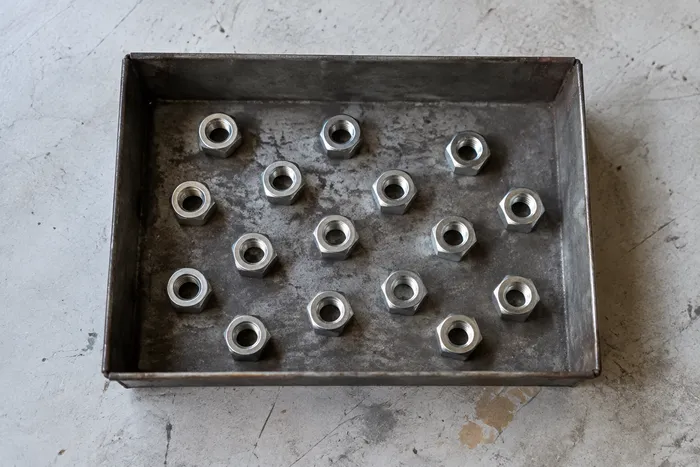
Object Counter
Estimate an object count from a photo. Review and correct the numbered markers before using the count.
Try it now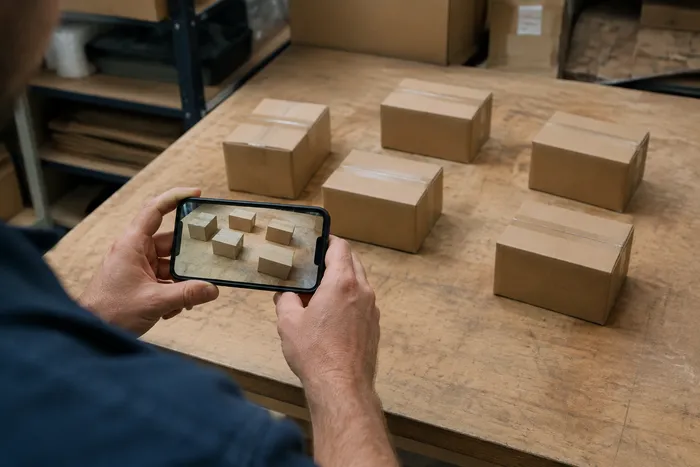
Counting & Inventory
Live Object Counter
Aim your phone at separated, fully visible items and review the detector markers as the count updates in real time.
Try it now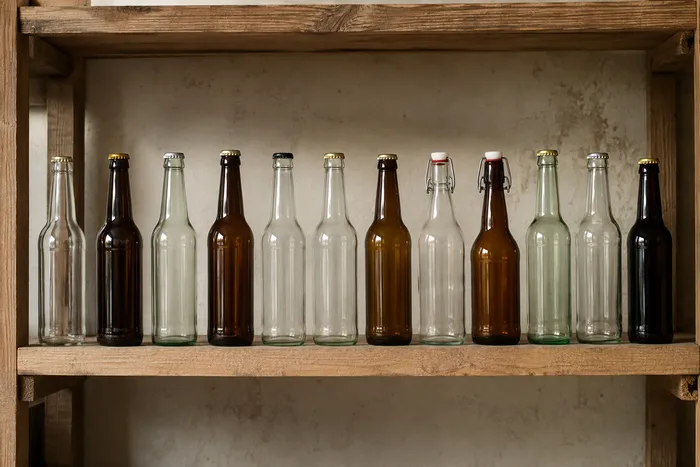
Counting & Inventory
Bottle Counter
Count bottles on shelves, in crates, or in cold rooms from one photo, with counted detections marked for review.
Try it nowHow Fruit Counter helps you get it done
Real problems it solves every day — for businesses, creators, and everyday tasks. Find the use case that fits you and start.
Harvest Day Yield Tracking
Open Bulk audit to run Distinct objects mode across every crate photo, then review every result before comparing the running total with last season.
Farmers' Market & Roadside Stall Stock
Run Similar items mode on one fruit type before opening and again at close, then review and correct both tallies before using their difference as a sales estimate.
Orchard Sampling for Yield Estimates
Photograph a well-lit section of canopy and let the AI count visible fruit as a sampling method, using the Detection sensitivity slider to tune for partially hidden fruit when estimating a full orchard's yield.
Packhouse Grading & Crate Review
Mark 1-3 example fruit in the Examples setting — one per variety in the crate — and use the Similar items result as a draft before a crate is sealed. Then inspect the physical crate and correct misses or duplicates before packhouse sign-off.
Wholesale Delivery Count Review
Use the marked image to review an AI-assisted delivery draft, compare it with a qualified manual or physical count, and save the corrected tally with normal delivery records. The image is not proof of quantity by itself.
Home Garden Harvest Counting
Photograph a basket of home-grown tomatoes, apples or berries at pick time for a harvest estimate, then review and correct the markers before adding a tally row for the season.
Watch each transformation land
Every photo crosses the slash untouched and comes out the other side finished.