Count roofing sheets on a pallet from a photo
Works with JPG, PNG, WEBP · Free up to 20 MB, Premium 50 MB
Photograph the visible face of the stack or pallet straight-on — the AI estimates visible roofing sheets; review and correct each face before combining rows. Built for builders, site managers and building-material suppliers — review and correct each photo before adding it to a CSV or PDF tally.
- Review the photo, then count visible roofing sheets
- Upload a photo and get an automatic count
- Review the markers to catch roofing sheets counted twice or missed
- Free to use · No signup required · Without watermark
Upload Image
Tips for an accurate count
• Use an even, well-lit photo with the roofing sheets fully in frame
• Keep your roofing sheets visible and avoid overlapping items
• Dots and heatmap show retained detections — review and correct the tally
About the Roofing Sheets Counter
The roofing sheets counter counts visible roofing sheets from your photo and marks detections for review. Counting starts automatically once the photo and item are ready. Visibility, overlap and similar-looking items can affect the total. Built for builders, site managers and building-material suppliers.
How It Works
1. Photograph your roofing sheets
2. Upload your photo to count roofing sheets automatically
3. Review the markers and correct the tally if needed
4. Add to the tally sheet and export your count as CSV
Perfect For
• Checking roofing deliveries before the crane leaves site
• Counting sheets fixed against sheets remaining mid-job
• Reconciling profiled sheet stock at the end of a contract
• Recording quantities for a supplier shortfall claim
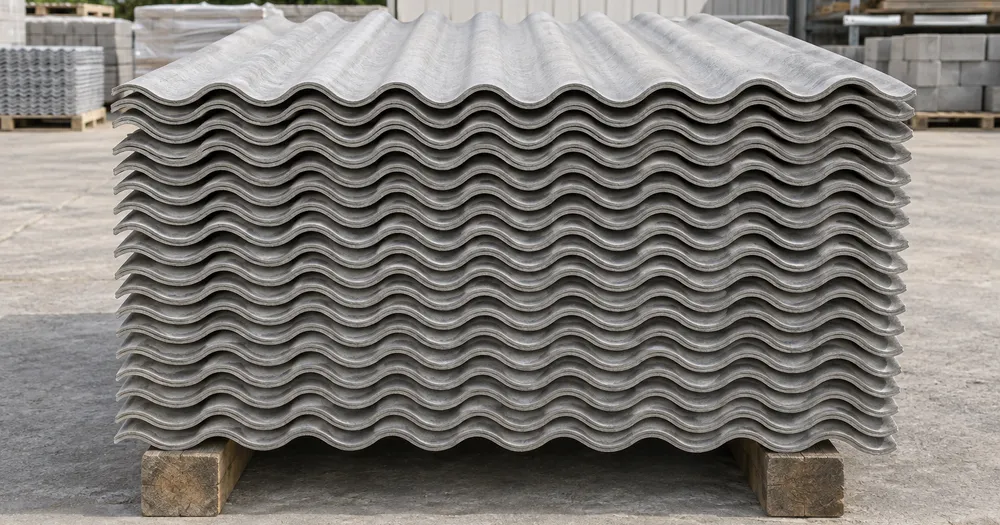
Counting corrugated and profiled roofing sheets in a pack
Roofing sheets are usually lifted onto site in packs, and the contractor wants a figure before the crane or delivery truck leaves. Later in the job the same count shows how many sheets are fixed and how many remain. Profiled metal sheets nest into each other, so the end of a pack shows stacked wave lines rather than clearly separate sheets.
Photograph the cut end of the pack square-on, low enough to see the profile edge-on, with light from one side to shade each nested layer. Bare and coated metal both reflect strongly; a cloudy day or a sheet of card held as shade gives cleaner lines than full sun. Flashings, ridge pieces and packing timbers often travel with the pack, so look for dots on anything that is not a sheet edge. An end view cannot tell short sheets from long ones, so photograph each length on its own.
Mark one sheet edge as an example when Auto mode struggles with tightly nested profiles, then review the markers from the top of the pack to the bottom and fix the figure in the tally row. Flat boards follow a similar routine on the plywood counter, and roof tiles stacked on a pallet can be counted with the tile stock page.
Frequently asked questions
- Can it count a full stack when some items are hidden?
- It can only estimate the visible photo content. For regular stacks, photograph and review each accessible face, correct the tally, and treat any multiplication by depth as an estimate. A marked image supports review but does not prove the physical quantity.
- What if the photo has more than just roofing sheets in it?
- The counter automatically looks for roofing sheets in your photo. Similar-looking distractors can still affect the result, so review every marker before using the total.
- Can I count several photos into one total?
- Yes — count each photo and add every reviewed result to the tally sheet as a labelled row. Export the tally as CSV or a PDF report, or save it to your account.
- Is it free and private?
- Yes. You can count, review and download a free result without an account. Downloads are free without a watermark. No signup required. Server-processed photos are encrypted in transit and removed under our Security policy.
What you can do with Brick Counter
Review the main capabilities before you begin.
- Count bricks and blocks on stacks and pallets
- Review delivery and on-site stock estimates quickly
- Inspect each counted-brick marker and correct the total
- Audit multiple pallets in one bulk pass
- Keep a running tally across labelled loads
- Review tightly packed rows for missed or duplicate bricks
Settings reference
14 settings
Available controls for Brick Counter.
Upload
- Single photo / Bulk auditPresets
- Choose a single-photo count or a Premium bulk audit. Review every result.Options: Single photoBulk audit
Count
- Included markersSliderRange: 0–1 · Default: 0.21
- Starts at 21%; slide toward Show more to include weaker markers or Only strongest to hide them.
- Overlay stylePresets
- Choose dots, a heatmap, both or a clean preview.Options: BothDotsHeatNone
Advanced
- Result overlayDropdown
- Choose how count markers appear in the on-screen preview; the download keeps its own markers.Options: Dots + heatmapDots onlyHeatmap only
Tally
- Add to tallyOne-click
- Add this count to the tally sheet under the name of the object that was counted. Signed-in accounts add finished counts automatically unless that is turned off under Account settings; in bulk mode every photo also has its own Add to tally button.
- LabelText input
- Rename a tally row. Edits and removals wait until you choose Save changes, so you can fix several rows at once.
- CountNumber input
- Correct a row's count; totals, the chart and exports follow once the change is saved.
- Save changesOne-click
- Apply every edited or removed tally row in one step, or choose Discard changes to leave the sheet as it was.
Chart
- By objectPresets
- The chart is the same in every counting tool and covers the tallies of all of them. By object draws a separate line chart for each tally name, such as pipes and people. By tool draws a chart for each counting tool.Options: By objectBy tool
- PeriodPresets
- Choose how far back the chart looks. Days without a count appear as zero.Options: 7 days30 days90 days12 months
History
- Counting setupGallery
- Keep comparable counts together. A first setup is created for you, so the first count can be saved straight away.
- Observed atText input
- The date and time of the count, shown as a date and a time field.
- NotesText input
- Starts with every detected object and its count, one per line, such as Pipes - 11. Edit it before saving.
- Save countOne-click
- Save the count to your account history. Open a saved count later to correct it or download its source photo.
Related tools for Brick Counter
Tools for common next steps after Brick Counter.

Counting & Inventory
Object Counter
Estimate an object count from a photo. Review and correct the numbered markers before using the count.
Try it now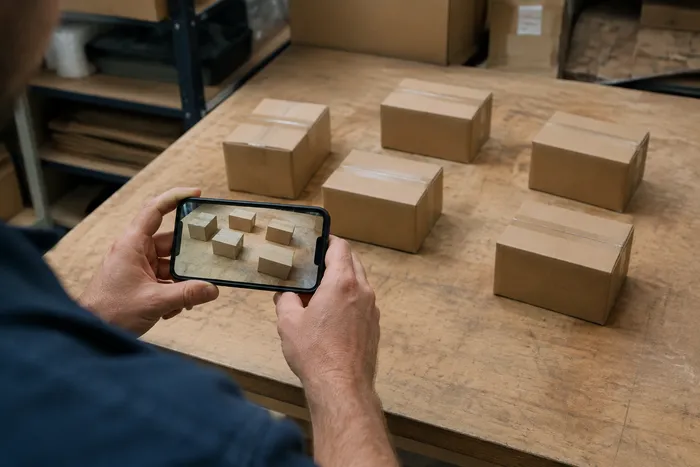
Counting & Inventory
Live Object Counter
Aim your phone at separated, fully visible items and review the detector markers as the count updates in real time.
Try it now
Counting & Inventory
Bottle Counter
Count bottles on shelves, in crates, or in cold rooms from one photo, with counted detections marked for review.
Try it nowHow Brick Counter helps you get it done
Real problems it solves every day — for businesses, creators, and everyday tasks. Find the use case that fits you and start.
Review a Brick Delivery Before Unloading
Photograph the pallet for a draft brick tally, then review the physical delivery, correct the markers, and complete the normal delivery-note check before the truck leaves.
Track Remaining Material Between Phases
Photograph the leftover stack for an AI-assisted estimate, then review and correct it against the physical stock before planning the next build phase.
Audit a Whole Yard in One Batch
Open Bulk audit to run Distinct objects mode across every stack photo, then review every result before using the combined yard total.
Count Site Stock from Your Phone
Walk the site snapping each stack with your phone camera, add every result to the Tally sheet, and export the day's site stock as a CSV or PDF report for the site manager.
Separate Bricks from Mixed Site Debris
Mark one complete brick in the Examples setting before the count runs so blocks and rubble aren't mistaken for bricks, then review every marker before using the total.
Estimate a Full Pallet Total from a Single Face Photo
Count the bricks visible on one face of a rectangular stack, then multiply by the known depth for a fast estimate of the whole pallet — useful when climbing around a stack to photograph every face isn't practical on a busy site.
Watch each transformation land
Every photo crosses the slash untouched and comes out the other side finished.