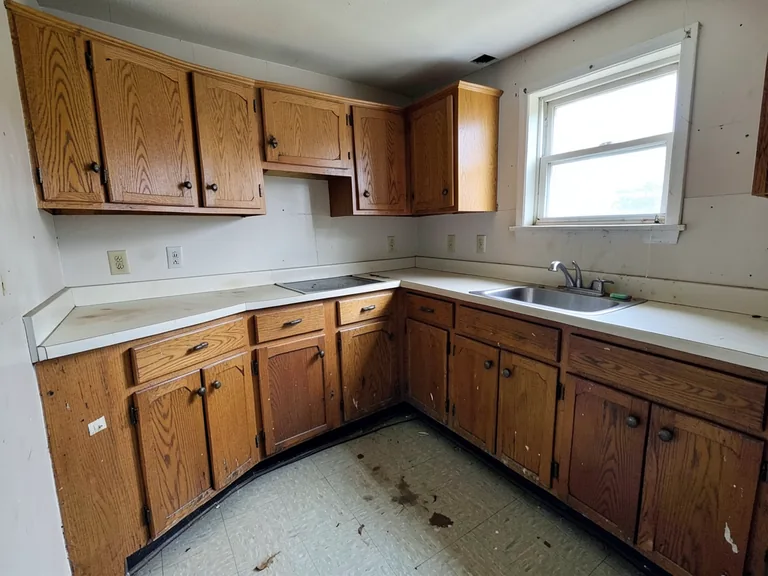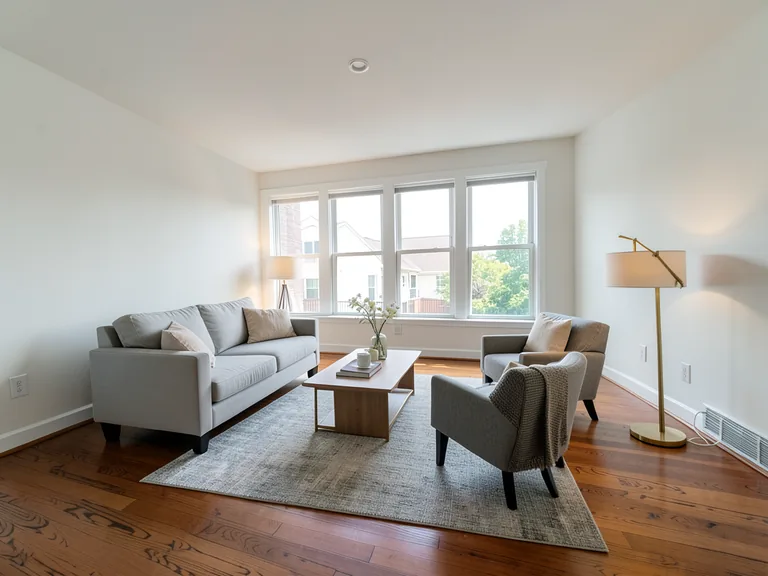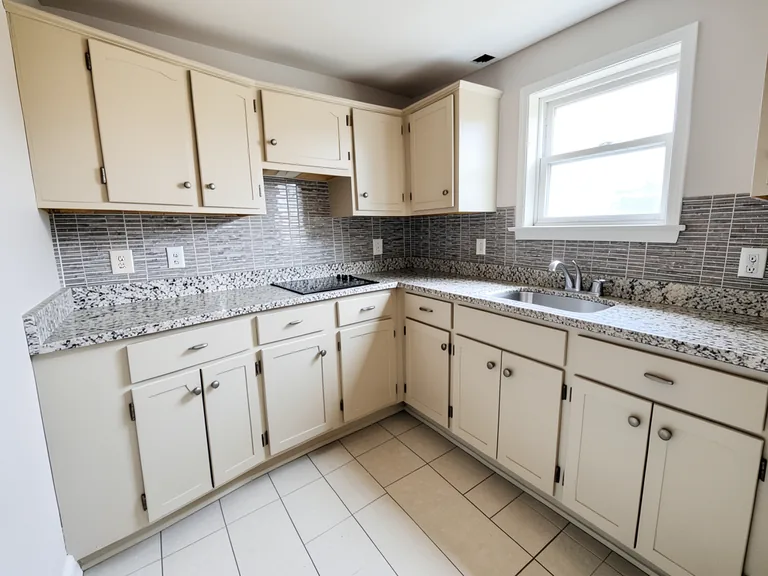

How to Start a Virtual Staging Service for Real Estate Agents
Define a clear package, stage with restraint, review every image, deliver originals with labels and help clients follow disclosure rules.
Written by the Pixoate team. We check how each tool behaves before we describe it, and we date any prices or portal rules we quote.
Real estate agents need furnished-looking photos of empty listings, and many do not have the time to create them. That makes virtual staging a practical service for freelancers, photographers and small agencies. It is also a service where trust matters: agents rely on you to deliver images that are honest and that they can safely use.
This guide covers how the work flows, how to use Pixoate in it, and the habits that keep your clients out of trouble. It does not promise income, because results depend on your market, your quality and your clients.
The shape of the service
- Define a clear package: rooms, styles, revisions and turnaround.
- Get good, original photos and permission to edit them.
- Stage with restraint and review every image.
- Deliver staged and original images, labelled.
- Keep records, and follow local disclosure rules.
Decide what you offer
Keep the first offer simple:
- Scope. Number of photos or rooms per property.
- Styles. A few directions such as modern, traditional or neutral.
- Revisions. How many rounds of changes are included.
- Turnaround. A realistic delivery time.
- Deliverables. Staged images plus the original, labelled.
- Terms. Who owns what, how images can be used and how disclosure is handled.
Write these in a short document, so clients know what they are buying.
Start with good source photos
The result can only be as good as the original. Ask for or take:
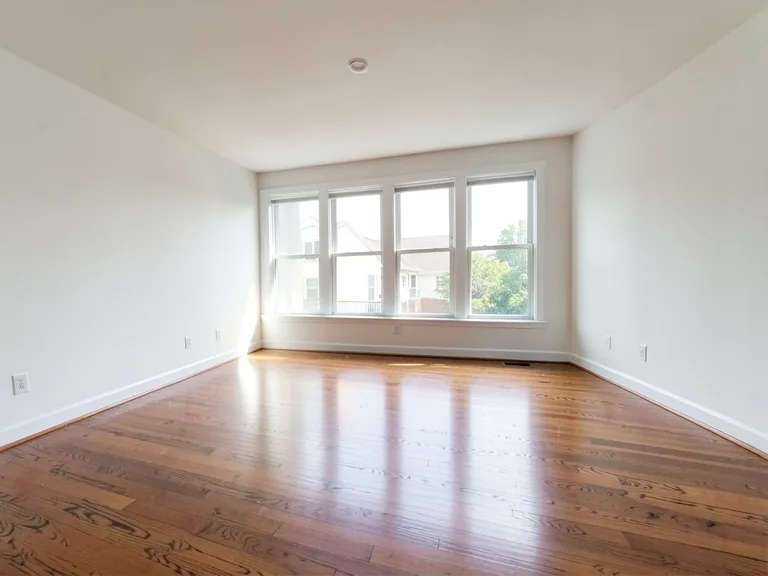
- Photos taken level, in daylight, with the lights on.
- Empty rooms, cleaned and clear of debris.
- A natural viewing position, without extreme wide-angle distortion.
- Several angles for rooms that matter most.
If a room has leftover items, remove them from the photo first, and use the real estate photo editor for light improvements.
Stage with Pixoate
Upload the empty-room photo to Virtual Staging AI. Choose a direction such as living room, bedroom, home office, dining room, kids room, nursery, studio apartment, entryway, guest bedroom or basement, add items such as a rug, curtains or wall art, and generate a concept. Premium supports batch staging of several photos, so review one result closely before you run the rest.
A useful instruction asks for restraint, for example: "Stage this empty room as a modest living room with proportionate furniture and neutral decor. Keep the windows, doors, flooring and camera angle unchanged."
A worked example: your first client
Imagine you offer your first package to a local agent with a vacant three-bedroom house. You agree on staging the living room, the main bedroom and a spare room as a home office, with one round of changes included and a two-day turnaround. The agent sends photos taken level in daylight.
You generate the living room and find that the first result puts a sofa across the doorway. You regenerate with a clearer instruction about walkways, and the second is better. The bedroom comes out well on the first try. The home office has a desk that looks slightly too large, so you ask for a smaller one. You review each image against the original, check windows and doors, and deliver the staged and unstaged images with a short note suggesting a label.
The agent is happy, uses the images, and asks for the next property. The reason is not that your images were dramatic. It is that they were reliable, honest and quick, which is what agents value in a service they depend on.
Review like an agent and a buyer
Every image must pass a check before delivery:
- Windows, doors, ceilings and fixed features match the original.
- Furniture looks proportionate and does not block doors or walkways.
- Nothing hides a defect or implies something that is not included.
- The style is consistent across rooms in the same property.
- Lighting and shadows look believable.
Reject and regenerate anything that looks off, and do not deliver images you would not want to show a buyer in person.
Protect your clients with honesty
Clients are responsible for how listings are presented, so make disclosure easy:
- Deliver the original photo with every staged image.
- Suggest a clear label such as "Virtually staged; furniture shown is illustrative."
- Tell clients that rules vary by listing service, brokerage and region, and that they should confirm what applies.
- Never remove permanent features, damage or neighboring buildings.
See virtual staging vs traditional home staging for the comparison you can share with clients, and how to sell an empty house without buying furniture for the buyer-facing workflow.
Packaging and pricing without guesswork
You do not need exact prices to design a sound offer, but you do need a structure. Many providers offer a per-image price, a per-room price or a small bundle for a whole property. Some include one revision, others charge for extra rounds. You might also offer a premium option with faster turnaround or a wider choice of styles.
To set prices, work out the time you spend on each image, from checking the source photo to generating, reviewing and delivering, and consider what comparable services in your market charge. Start with a clear, simple offer and adjust it as you learn. Put the details in writing: what is included, how many changes, the delivery time, how payment works and how images may be used. A clear package avoids misunderstandings and shows clients you take the work seriously. Looking at what stagers charge in the USA helps you see what agents already compare you against.
Keep records
Save the original photos, staged versions, instructions you used and the date delivered. If a question arises later, you can show what was changed. Keep client files organized by property and room.
Respect permissions
Only edit photos you or your client have the right to use. Check agreements with photographers, agents and property owners, and respect any privacy requirements.
How agents think about vendors
Agents work under time pressure and carry responsibility for what they publish, so they value a few things above creativity. Reliability comes first: images arrive when promised. Accuracy comes second: nothing in the image misrepresents the property. Clarity comes third: you tell them exactly what was changed and how to label it. And simplicity comes fourth: your process is easy, with clear pricing and a clear way to ask for changes.
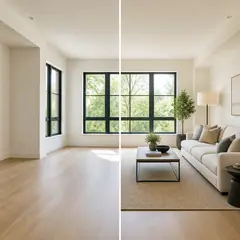
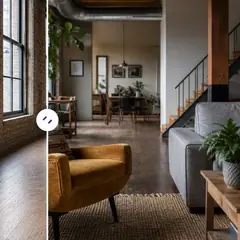
If you can offer all four, you will stand out from vendors who only offer attractive images. Keep a short sample set of before-and-after rooms to show prospective clients, with the originals alongside. It demonstrates the quality and your honesty in one glance, and it gives agents confidence to try you on a real listing.
Grow carefully
Start with a few clients, listen to their feedback and refine your package. Quality and reliability matter more than volume, and a service built on honest, consistent images earns repeat work.
Finding your first clients
Start where you already have connections. Local agents, photographers, property managers and developers regularly need empty properties to look appealing. Prepare a short sample set that shows an original room and a staged version for a living room, a bedroom and a home office, and offer to stage one room for a listing at a reduced rate so they can see the quality.
Photographers can be good partners, since they already work with agents and could offer staging as an add-on. When you speak to clients, listen to their problems, whether it is vacant listings, slow viewings or a limited budget, and explain how staging could help. Be clear about what you can and cannot promise. Honesty about the limits of staging, and a track record of reliable work, will bring more repeat business than any claim.
Related guides
For the wider picture, see our guide to real estate listing photos.
Frequently asked questions
Do I need design experience?
It helps, but the main skills are good source photos, restraint and careful review. A clear sense of proportion matters more than trends.
How do I handle disclosure?
Provide original and staged images, suggest a clear label, and tell clients to confirm local and listing-service rules.
How many revisions should I offer?
Define it in your package. One or two rounds is common, but choose what you can sustain.
Can I promise a faster sale?
No. Many factors affect sales. Describe your service as helping buyers picture the space, not as a sure way to sell.
A first client is easier to win with a sample than a pitch. You can make one from a past project using Virtual Staging AI, keeping the original beside it.