
Virtual Staging vs Traditional Home Staging: Costs, Pros and Cons
Compare virtual and traditional home staging on cost structure, realism, speed and risk, and decide which suits a vacant or partly furnished property.
Written by the Pixoate team. We check how each tool behaves before we describe it, and we date any prices or portal rules we quote.
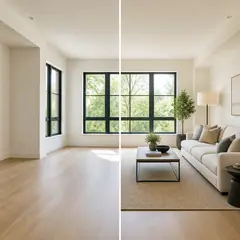
Virtual staging usually suits a vacant home that will be marketed mainly online, while physical staging suits homes that buyers will mostly judge in person, and many sellers combine the two.
If you are selling an empty or half-empty home, you have two ways to help buyers see its potential: put real furniture in it, or add furniture to the photos. They solve overlapping problems, but they are not the same thing, and the right choice depends on who will actually view the property.
This guide compares the two on cost structure, realism, speed, effort and risk, and tells you when each one makes sense.
The short answer
- Traditional staging changes the real house. Buyers who visit see and feel the furnished rooms.
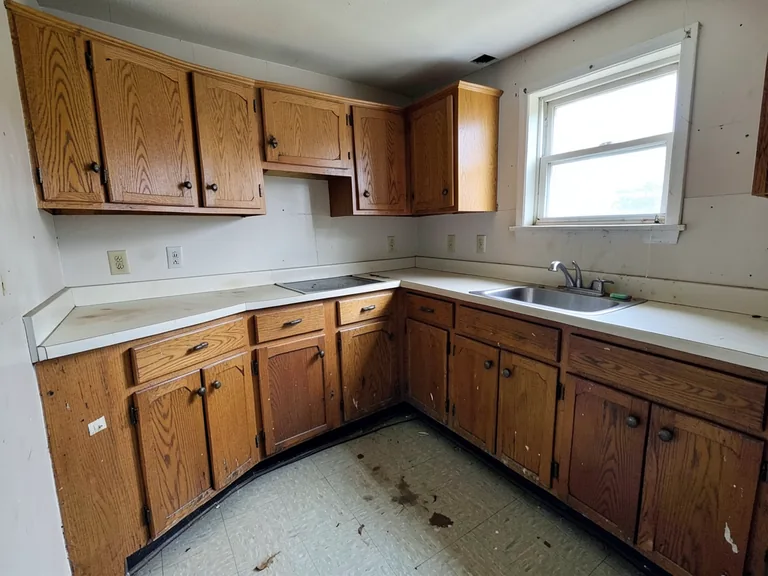
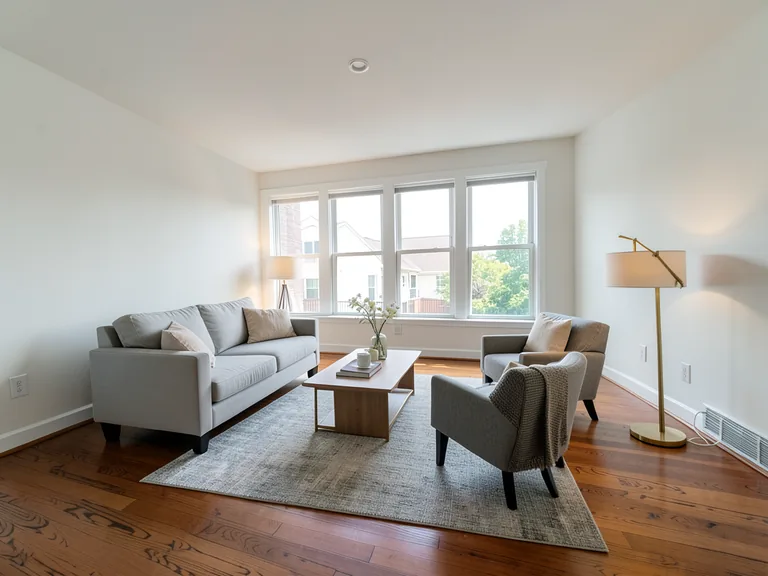
- Virtual staging changes the photos and the listing. Buyers who browse online see furnished rooms, but anyone who visits sees an empty house.
- Many sellers need only one. Some use both: virtual staging to attract online interest, and a small amount of real staging in the one or two rooms that matter most at viewings.
What each option involves
| Traditional staging | Virtual staging | |
|---|---|---|
| What changes | The real rooms | The listing photos |
| Main costs | Furniture hire or purchase, delivery, setup, removal, often a monthly rental | Time to edit photos, or a service or tool fee per image |
| Time to ready | Scheduling, delivery and setup before photography | Same day once you have photos |
| Viewings | Buyers see furniture in person | Buyers see an empty house |
| Changing the look | Needs another move | Try several styles from the same photo |
| Main risk | Cost grows the longer the house is listed | Photos can overpromise if they are not accurate and labelled |
Prices for physical staging vary by market and by how many rooms you do, so get a quote from local stagers for your own situation before you decide.
Where traditional staging wins
- In-person viewings. Furniture makes a house feel lived in the moment someone walks in.
- Feel and flow. Real pieces show how people would move through a space.
- High-end homes. Buyers at the top of the market often expect a finished presentation.
Where virtual staging wins
- Vacant properties and tight timelines. You do not need to wait for deliveries.
- Several rooms or several listings. Each extra room is another photo, not another truck.
- Testing the look. You can show a modern version and a traditional version, then keep the one that suits the likely buyer.
- Cost control. There is no rental period running while the house sits on the market.
The risk of virtual staging, and how to manage it
A staged photo can only add to an image. A buyer who then walks into an empty house should not feel misled. Keep these habits:
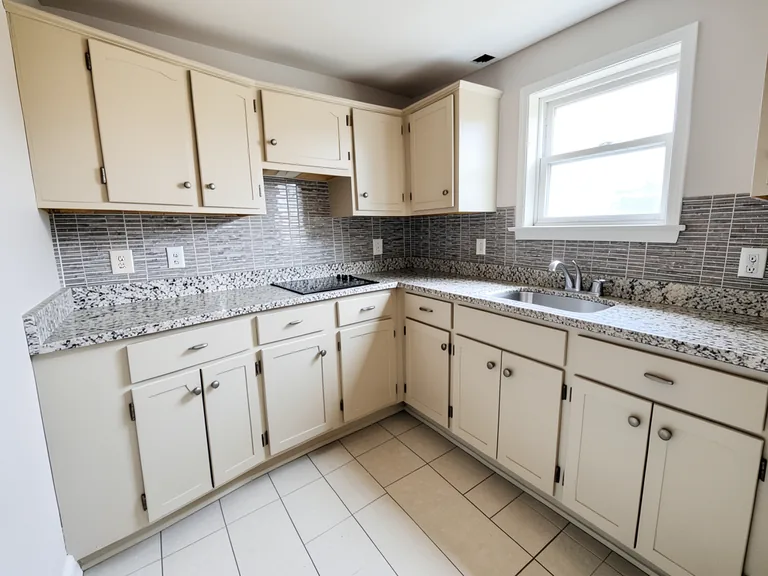
- Keep the unedited photo and show it alongside the staged one where the listing allows.
- Add a clear label, such as "Virtually staged; furniture shown is illustrative."
- Keep furniture proportionate. Oversized pieces make a room look bigger than it is.
- Never hide a real defect, a stain, a crack or a fixed feature behind a digital object.
- Check the rules of your listing service and brokerage, because requirements vary.
How to use Pixoate for the virtual option
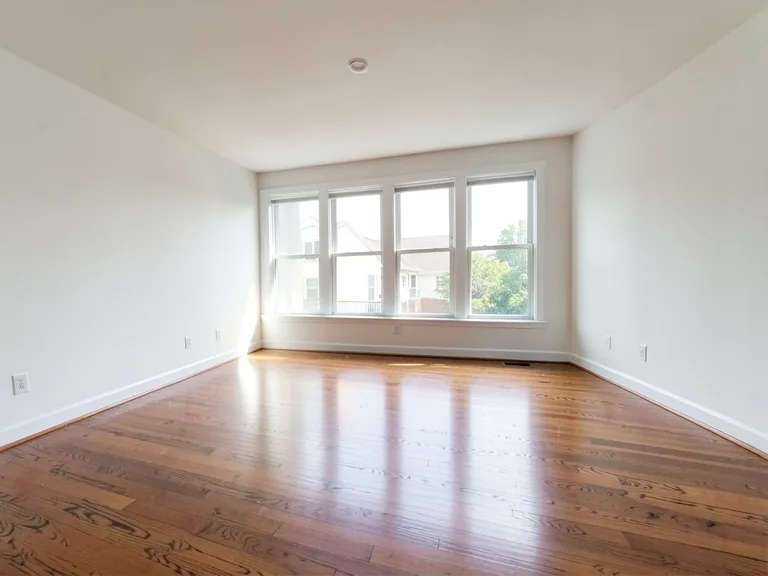
Upload an empty-room photo to Pixoate Virtual Staging AI, choose a room direction, add items if needed, and generate a concept. Premium also supports batch staging of several photos. Review one result closely before you run the rest.
If the room has leftover items in it, clear them first with Declutter Room AI. If it is still furnished with the previous owner's belongings, remove the furniture from the photo before you stage. For a full workflow, read how to sell an empty house without buying furniture. If you plan to offer this as a service, read how to start a virtual staging service for real estate agents.
Three situations, three sensible answers
Consider a vacant two-bedroom flat that you plan to market mainly online. Almost every buyer will meet it through photos first, the flat will be empty for the whole campaign, and every week of furniture rental is a weekly cost. Virtual staging is usually the sensible starting point here, perhaps with a real viewing sheet that explains the layout.
Now consider a large vacant family home at the top of your local market. Buyers at that level often expect a finished presentation at viewings, and a bare house can feel cold in person however good the photos look. Staging the living room and the main bedroom physically, and using virtual staging for the remaining rooms, can balance cost and impact.
Finally, consider an occupied home where the owners are still living with their furniture. Neither method is the main answer. Decluttering, cleaning and rearranging what is already there will do more than adding anything, and virtual staging is only worth considering for a room that is truly empty, such as a spare bedroom.
In each case the question is the same: where will buyers form their opinion, and what is the cheapest honest way to improve it?
How the timelines compare
Time is a cost that rarely appears on a quote, so it helps to lay the two timelines side by side. With physical staging you typically book a stager, wait for a design visit, agree a plan, schedule delivery, allow a day or more for installation, and only then book the photographer. Each step depends on someone else's calendar, and a delay at any point pushes the listing date back. At the end of the campaign you arrange collection, which is another appointment.
With virtual staging the sequence is shorter. You photograph the empty rooms, upload the images, generate and review the concepts, request any changes and publish. Much of that can happen in a day or two, and nothing physical has to be moved. The trade-off is that the work is only as good as your review. A rushed approval of an image with an oversized sofa or an odd shadow costs you credibility later, so the time you save should be partly reinvested in checking.
A simple way to decide
- House is vacant, you list online first, and you want to move quickly: start with virtual staging.
- House is high-value and most buyers will visit in person: consider real staging for the main living room and main bedroom.
- House is partly furnished: declutter and clean first, then stage only the rooms that still feel unclear.
- You are unsure: stage one room virtually, compare how it reads in the listing, and decide whether to do more. Costs differ by country, so see staging costs in the USA for the best-sourced figures.
Evidence worth knowing
The best-known recent source is NAR's 2025 staging report, a survey of agents' own observations about staging in general. It does not measure virtual staging, and it cannot predict the result for any one home. The headline figures and their caveats are laid out in our guide to staging costs in the USA.
What a fair cost comparison includes
Quotes for physical staging often look like a single number, but the true cost has more parts. Ask what is covered for delivery, setup, removal and any damage to rented pieces, and how long the rental runs before extension charges begin. A quick sale can make physical staging cheap, while a slow campaign can double it. Also count your own time: scheduling delivery windows, being at the property, and arranging collection.
Virtual staging has hidden costs too, though they are different. You need decent source photos, time to review every image carefully, and sometimes a second round when a room does not look right. If your listing service or brokerage requires labels, build that into your process. When both options are priced honestly, the difference is usually clearest in the cost of delay: physical staging charges you for each extra week, and virtual staging does not.
Objections worth answering honestly
Sellers and agents tend to raise the same worries about virtual staging, and each deserves a straight answer.
"Buyers will feel tricked." They can, if the photos promise more than the room delivers. Proportionate furniture, a clear label and an unstaged photo in the gallery remove most of that risk, because buyers then understand the images as illustrations of potential.
"It looks fake." Poorly done staging does. Oversized pieces, mismatched shadows and a style that fits nothing in the house are the usual giveaways. Reviewing each image against the original and asking for another version when something looks off is what separates convincing results from cheap ones.
"Agents do not like it." Many agents are comfortable with it when it is disclosed properly, and some brokerages and listing services have rules about labels. Ask your agent what they prefer before you spend anything.
"Physical staging is the only real thing." For viewings it is, and that is why some sellers combine both. For the online stage of a campaign, where most buyers first meet the property, an honest digital illustration does a similar job at a different cost.
Related guides
For the wider picture, see our guide to real estate listing photos.
Frequently asked questions
Is virtual staging cheaper than traditional staging?
For a vacant home, virtual staging is usually cheaper than traditional staging because it avoids furniture rental, delivery, installation and removal, and no weekly rental charge builds up while the home is on the market. Prices vary by provider and by the number of rooms, so compare real quotes for the same rooms.
Can I use virtual staging and real staging together?
Yes, and many sellers do. A common approach is to stage the living room and main bedroom physically for viewings and use virtual staging for the remaining rooms in the listing photos, as long as every digitally staged image is clearly labelled and the originals are kept.
Does virtual staging look fake?
It can when furniture is oversized, shadows do not match the light, or the style does not suit the home. Reviewing every generated image against the original room and rejecting anything that looks wrong is what keeps virtual staging believable and honest.
Do buyers mind virtual staging?
Buyers generally mind being misled, not the technique itself. A clear label such as "Virtually staged; furniture shown is illustrative", proportionate furniture and access to the original photo keep trust intact, and rules on labelling vary by listing service and region.