

Convert WebP to JPG for Web
Conversion setup loaded automatically
Convert WebP to JPG for the web. JPG is widely supported by browsers and site builders, and you can check the file size of the result before you upload it, so your pages stay quick without visible loss. Files auto-delete after processing.
- Website and CMS uploads
- Faster-loading product and editorial images
- Browser-compatible image delivery
Drop a WebP image or click to browse
WebP to JPG for upload forms and platforms that refuse WebP
Browsers handle WebP, but not every upload form, older CMS, marketplace listing tool or ad platform does, so a WebP saved from a website or exported by a design tool sometimes has to become a JPG before it can be published. Expect the JPG to be somewhat larger than the WebP at similar quality; that is the price of compatibility.
Two details change on the way. Transparent parts of the WebP are filled, white by default, so set the fill to the page or listing background color in Settings. And an animated WebP becomes a still, because only its first frame is converted; if you need the motion, WebP to GIF keeps every frame.
Because the JPG will be heavier, check its size in Settings after converting. Quality between 75 and 85 is usually enough for photos on a page, and if the platform has a strict limit, compress to a fixed size such as 100 KB. Product images for marketplaces often need a plain backdrop as well, which the white background maker can add.
Before publishing
- The platform accepts the JPG at its current file size
- No white box appears where the WebP was transparent
- A still image is acceptable, since animation becomes the first frame
Set up for Convert WebP to JPG for Web
Prepared settings
- Starting point
- WebP source image
- The upload accepts the source type for the webp-to-jpg converter directly.
- Prepared workflow
- WebP → JPG for Web
- The destination format and use context are already identified; only the real file is still required.
- Output control
- JPG output
- Use quality or lossless controls when the destination format supports them.
- Review rule
- Open the JPG result before publishing
- Check transparency, color, and visible detail because formats represent those properties differently.
Best-fit uses
- Website and CMS uploads
- Faster-loading product and editorial images
- Browser-compatible image delivery
Frequently asked questions
- Why convert WebP to JPG for a website?
- JPG is broadly supported by browsers and site builders. Whether it is smaller than the WebP depends on the image, so compare the file size shown with the result and lower the quality where the format allows it if page weight matters.
- Will the JPG look the same on my site?
- For most images the difference is invisible at web sizes. Use the quality control to balance sharpness against file size.
- Is this WebP-to-JPG converter free?
- Yes — convert and download without creating an account. Your upload is auto-deleted after conversion.
- Can I adjust the JPG output quality?
- Yes. Review the converted JPG result and adjust quality when that format supports it. Keep a higher setting for detail, or lower it when file size matters more.
What you can do with WebP to JPG
Review the main capabilities before you begin.
- Convert WebP images to widely supported JPG
- Open converted images in supported editors and apps
- Adjust JPEG quality to balance size and clarity
- Flatten transparency onto a solid background color
- Fix sideways photos with automatic orientation
- Batch-convert many WebP files in one go
Settings reference
5 settings
Available controls for WebP to JPG.
Settings
- Output formatDropdown
- Chooses the file type you download. The page opens on its own output format; switch to any other format before converting.Options: JPGPNGWebPAVIFGIFTIFFBMPICOPDF
- QualitySliderRange: 20–100 · Default: 90
- For JPG, WebP, AVIF and image-to-PDF output: higher keeps more detail but makes a bigger file; 60–80 suits most photos. Documents (Publisher, XPS, EPS…) become PDFs with every page and sharp text, with no quality setting.
- Lossless modeOn / Off
- For WebP and AVIF output: keeps every pixel exactly (best for logos, graphics and transparency) at the cost of a larger file.
- Background fillColor picker
- For JPG, BMP and image-to-PDF output, which can't store transparency: the color that fills transparent areas (white by default).
Mode
- Single file / BatchDropdown
- Process one file or a batch with shared settings. Batch results download as one ZIP.Options: Single fileBatch
Popular use cases
Related tools for Convert WebP to JPG for Web
Tools for common next steps after Convert WebP to JPG for Web.
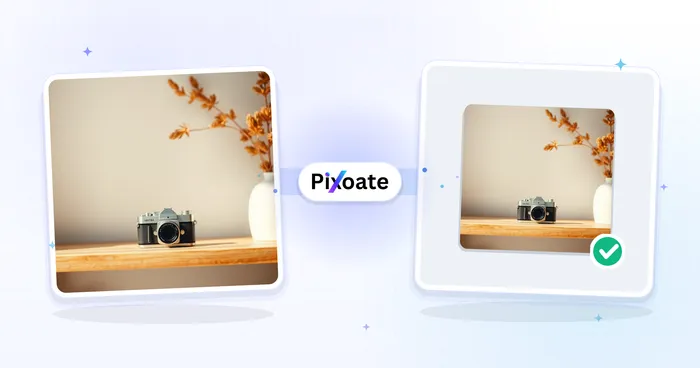
Photo Editing & Utilities
Compress Image to KB
Compress JPG, PNG or WebP files toward a chosen size such as 20KB, 50KB or 100KB, then review the result.
Try it now
Photo Editing & Utilities
Resize Image
Resize an image to exact dimensions or by percentage. Preview and download the result.
Try it now
Photo Editing & Utilities
Image Compare Slider
Compare two images with a reveal slider and export a before-and-after PNG.
Try it nowHow WebP to JPG helps you get it done
Real problems it solves every day — for businesses, creators, and everyday tasks. Find the use case that fits you and start.
Marketplace-Ready Listing Photos
Convert phone or design-tool WebP photos to JPG so eBay, Etsy and Amazon listing forms accept them instantly — keep the quality slider around 85-90 to stay sharp without slowing down uploads.
Email-Friendly Photo Attachments
Drop the quality slider to about 75 to shrink WebP images into small JPGs that clear email attachment limits and load fast in newsletters, with no visible quality hit.
Legacy Software & Portal Compatibility
Turn WebP screenshots or exports into JPG for older Photoshop versions, school and government upload portals, and POS systems that reject WebP outright but always accept JPG.
Batch-Convert a Phone Camera Roll
Some Android phones save photos as WebP by default — switch to Batch mode to convert a whole camera roll to JPG in one ZIP, ready to import into Lightroom or older editors.
Reuse Downloaded Web Images
Batch-convert WebP images saved from websites into JPG so they drop straight into presentations, Word docs and design tools that don't recognize the WebP format.
Ad Creative Compliance for Facebook & Google Ads
Facebook Ads Manager and Google Ads image-creative uploaders typically accept only JPG, PNG or GIF and reject WebP outright — convert WebP product shots or banner graphics to JPG first so campaign creatives upload without a format-rejection error.
Guides for this tool
Watch each transformation land
Every photo crosses the slash untouched and comes out the other side finished.