
How to Make a Small Living Room Look Bigger Without Knocking Down Walls
Low-cost changes that help most, and how to test layouts and colors on a photo of your room before you buy anything.
Written by the Pixoate team. We check how each tool behaves before we describe it, and we date any prices or portal rules we quote.
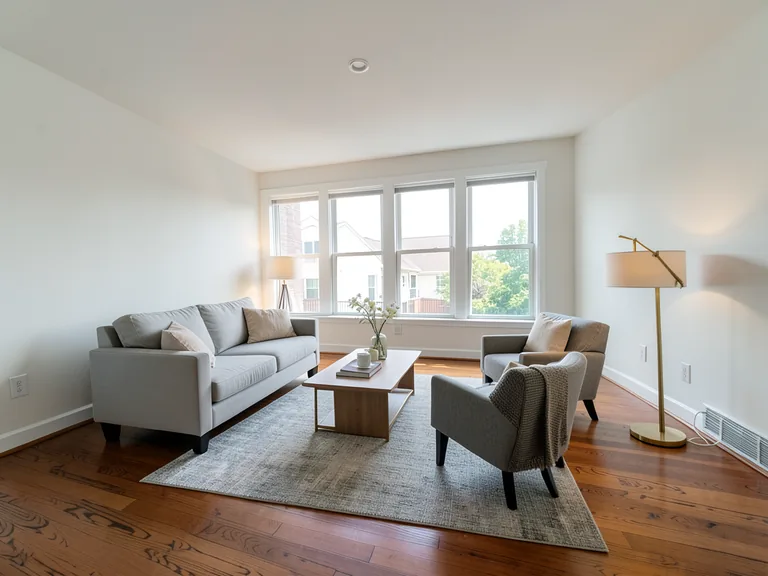
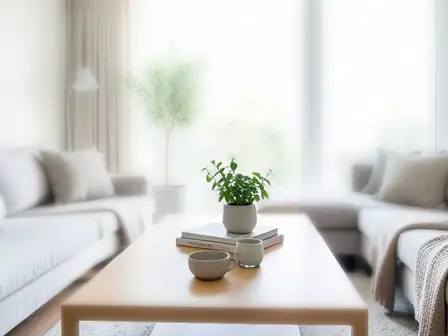
A small living room is not a problem of square meters alone. Heavy furniture, dark walls, blocked windows and cluttered surfaces make a room feel smaller than its size, and a few changes can make the same space feel open. You do not have to knock down a wall.
This guide covers what actually changes how big a room feels, and shows how to test ideas on a photo before you move a sofa or buy a rug.
What helps most
- Clear clutter and open the windows.
- Use lighter, softer wall and floor tones where you can.
- Choose fewer, lower and more proportionate furniture pieces.
- Keep clear paths and open floor visible.
- Preview changes on a photo before you buy or repaint.
What makes a room feel small
- Visual clutter. Many small objects make a space busy.
- Dark colors. They absorb light and bring walls closer.
- Oversized furniture. A large sofa can dominate a small room.
- Blocked light. Heavy curtains and furniture in front of windows darken a room.
- No clear floor. When furniture touches every wall, the room feels packed.
- Poor layout. Furniture that blocks the walkway makes movement feel tight.
Practical changes that help
- Edit the room. Remove what you do not use or love. Keep surfaces mostly clear.
- Let in light. Use light curtains, mounted high and wide, so they do not cover glass.
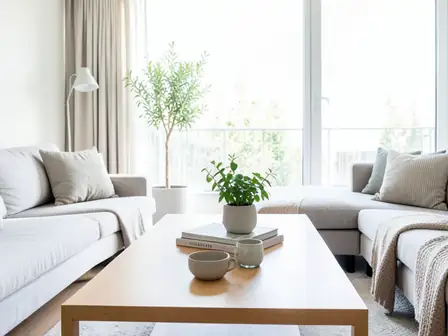
- Choose lighter tones. Light walls and floors reflect more light. A single dark accent can still work.
- Right-size furniture. Pick pieces that match the room, with raised legs or slim profiles that show floor underneath.
- Float and align. Pulling a sofa slightly from a wall can sometimes make the room feel deliberate, while lining furniture along walls can free the center.
- Use mirrors thoughtfully. A large mirror opposite a window can reflect light and add depth.
- Go vertical. Tall shelves and hung art draw the eye up and keep the floor free.
None of these changes the real dimensions. They change how the room reads.
Test ideas on a photo first
Many of these decisions are hard to picture, and furniture is expensive to return. A preview helps.
- Take a photo of your living room from a corner with the camera level and the light on.
- Upload it to AI Room Staging and describe the change: lighter palette, a slimmer sofa, fewer pieces, a mirror.
- For specific furniture, use the AI Furniture Visualizer, which is set up to place suitable furniture at realistic scale and keep the architecture unchanged.
- For wall color, use the Interior Paint Visualizer, and for floors the Flooring Visualizer.
Compare the options with the original and decide which one genuinely feels more open.
Check the concept against reality
A generated image is a visual idea, not a measured plan. Before you buy:
- Measure the room and the furniture you are considering.
- Mark the footprint on the floor with tape to check walkways.
- Make sure doors and drawers can open fully.
- Confirm that the colors work in your real light.
What really changes the feeling of space
People often assume a small room needs a mirror and a pale palette, but the biggest improvements usually come from three less obvious things. The first is visible floor. When you can see floor between and under furniture, the eye reads more space, which is why a sofa on legs feels lighter than one that sits on the ground. The second is clear sightlines. If you can see from the door to the window without something blocking the view, the room feels longer. The third is calm. A room with fewer objects and fewer colors looks more spacious even if the area is the same.
Try it in a photo. Remove half the small items and see how the room reads. Replace a bulky chair with a slimmer one. Move the sofa slightly to open up the path from the door. The changes are cheap to try in a preview and surprisingly powerful in practice.
Keep it livable
A room that looks spacious in a photo but has nowhere to put a drink or a coat is not working. Leave room for storage, lighting and the way you really use the space. A calm look helps, but comfort matters more.
When the room is simply small
Some rooms are small, and clever styling will not change that. If the room is under about the size of a double bed plus walking space, you will get further by choosing furniture that does two jobs, such as a storage ottoman or a fold-away table, than by fighting the dimensions. Accept that the room will have fewer seats and design for the way you really use it. A cozy, well-arranged small room feels much better than a crowded one trying to look like a big one.
Layout patterns for common small rooms
Small living rooms come in a few familiar shapes, and each has a layout that tends to work. In a narrow rectangular room, keep the longest wall clear for the sofa and place smaller pieces opposite, so a path remains down one side. In a nearly square room, arranging seating in a loose L or around a rug creates a clear center. In a room with a door in the middle of one wall, push furniture to the edges and leave the central line open.
An awkward corner or alcove can become a reading nook, a desk or storage with a slim shelf. Wall-mounted shelves and a slim console use vertical space without taking floor. If the room doubles as a dining area, a drop-leaf table that folds against the wall saves room. Try these layouts on your photo before moving anything heavy, and pick the one that gives the clearest path and the best view from the doorway.
A quick weekend checklist
- Take everything off the surfaces, then return only what you use and like.
- Move the largest piece of furniture and see whether walkways open up.
- Swap heavy curtains for light ones hung wide and high.
- Remove one piece of furniture for a week and see whether you miss it.
- Add a light source in the darkest corner.
- Photograph the room before and after, and compare the two pictures honestly.
Lighting that changes how big a room feels
Light shapes space as much as furniture. A room lit only by a single ceiling light feels flat and smaller, because the corners fall into shadow. Layered lighting, with a ceiling light, a floor lamp and perhaps a table lamp, spreads light across the room and lifts the edges, which makes walls feel farther away.
Warm, soft bulbs create a cozy atmosphere in the evening, while brighter, whiter light suits daytime tasks. Keep windows as clear as possible, and consider whether furniture in front of them could move. Add a lamp to the darkest corner, because dark corners make a room feel smaller. Lighting is often the cheapest and quickest change you can try, and it can transform the feeling of a small space.
Related guides
To test colors on their own, read how to see wall colors before you paint. For larger projects, see how to visualize a home renovation before spending money. To preview specific pieces, read how to see furniture in your room before you buy.
Frequently asked questions
Do mirrors make a room look bigger?
A large mirror placed to reflect light or a view can add depth. It will not change the room's size, and placement matters.
Should I use light or dark colors in a small room?
Light colors usually make a room feel more open, though a deliberate dark accent can add depth. Test the look before you commit.
Can I preview furniture in my own room?
You can generate a concept on a photo of your room to compare layouts and styles. Measure the real room and furniture before you buy.
What is the cheapest change that helps most?
Often decluttering, letting in more light and moving furniture to free walkways. These cost little and are easy to try.
Small rooms improve most when you edit what is in them. If you would like to see a lighter layout before moving anything heavy, AI Room Staging can show one on your own photo.