How it works
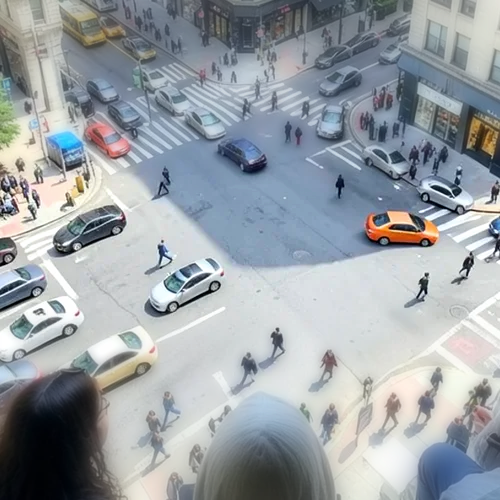
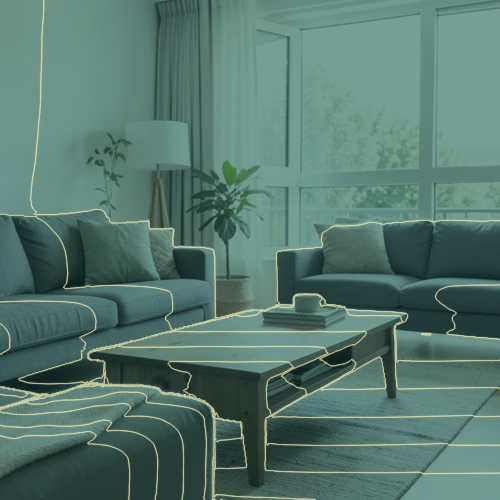
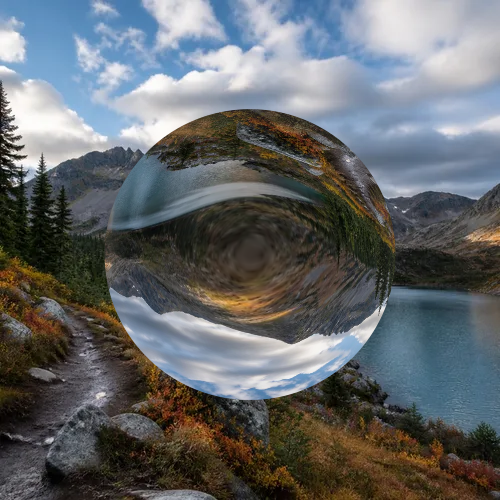
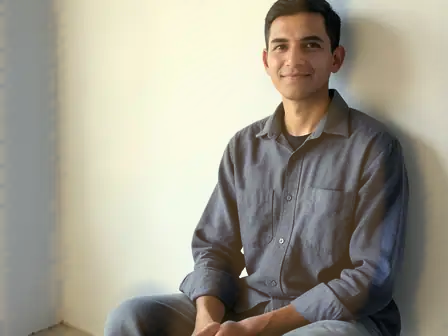
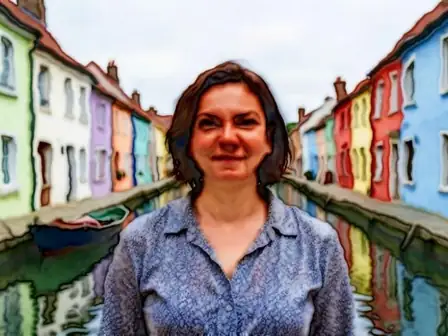
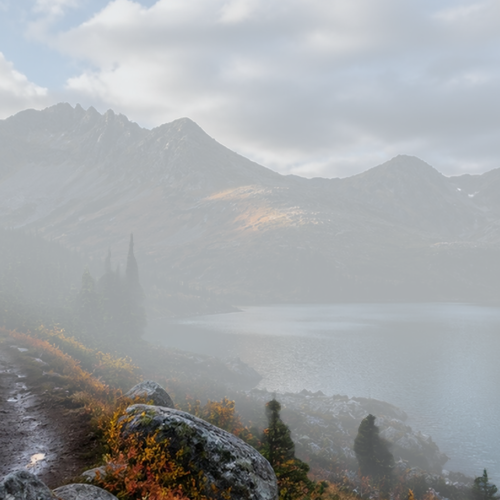
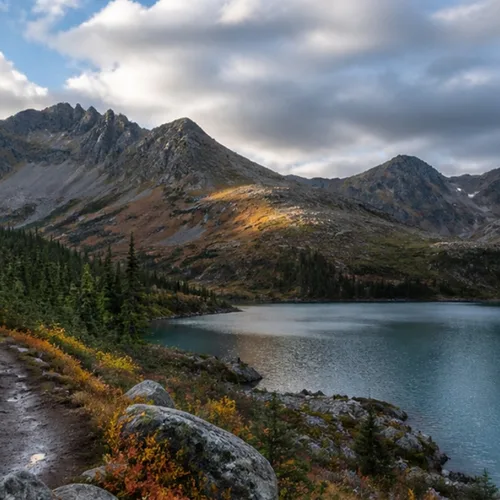
Atmospheric Depth Fog estimates how far each part of your photo is from the camera and cleans up tiny isolated depth specks. Farther areas then fade into soft, natural-looking haze, the way distant hills look paler on a hazy day, using one restrained haze color taken from your photo and kept close to neutral; the nearest areas stay exactly as photographed. Intensity changes how dense the haze really is instead of fading a finished image over the original. Each pixel is only blended in place with that one haze color: nothing is moved, copied, stretched, repainted, or generated, so faces, arms, objects, framing, and transparency stay exactly where they were. Larger uploads may be resized proportionally before depth analysis: free results are delivered at web size, and very large photos are scaled down first. The result is a lossless PNG.