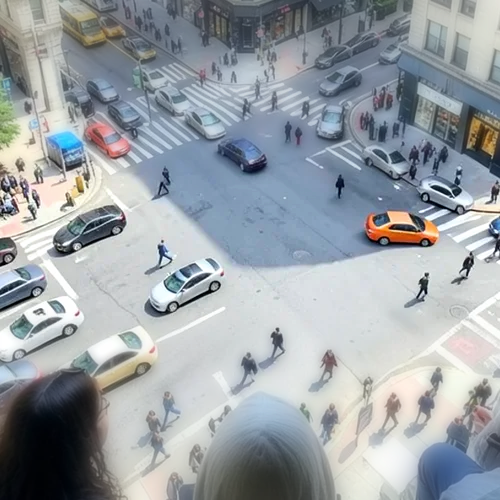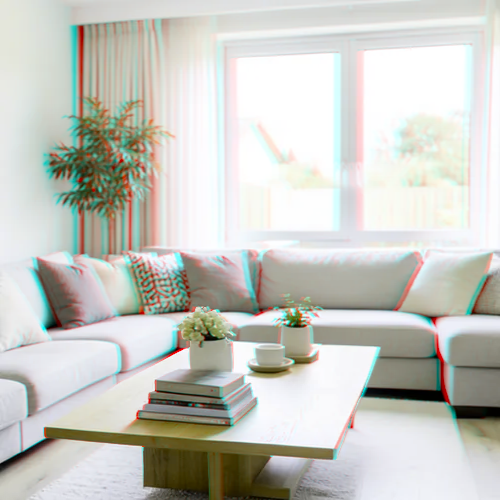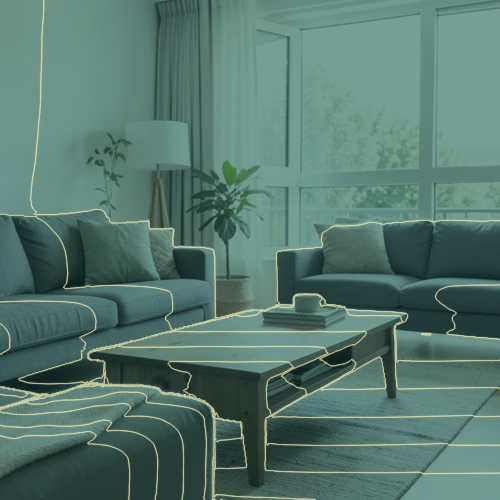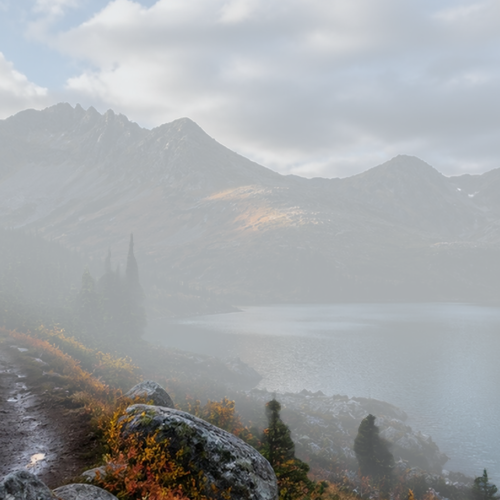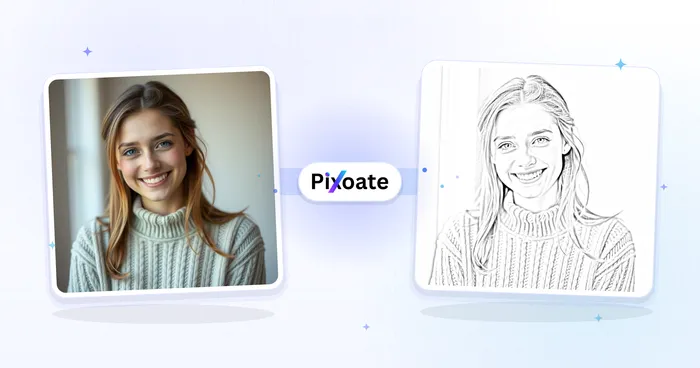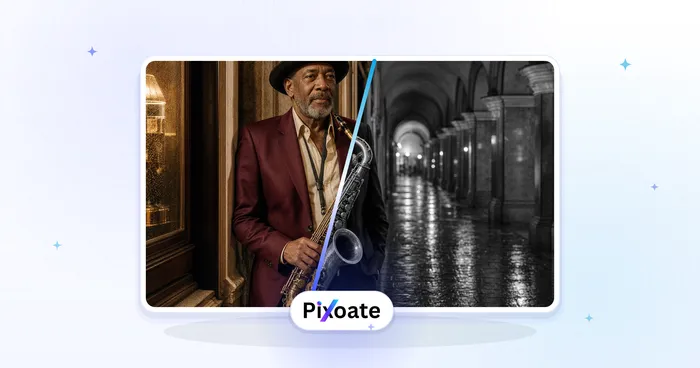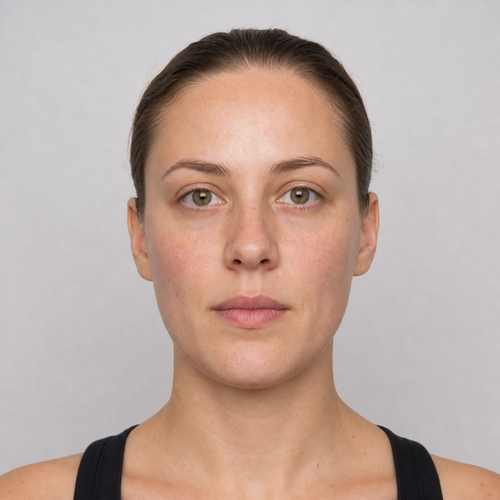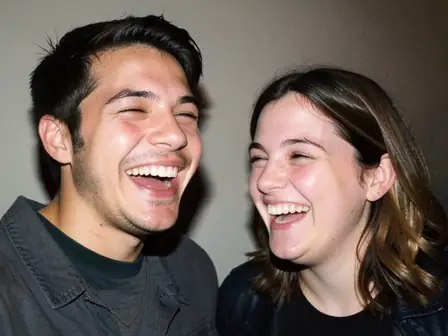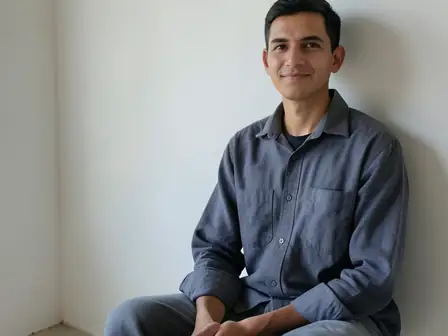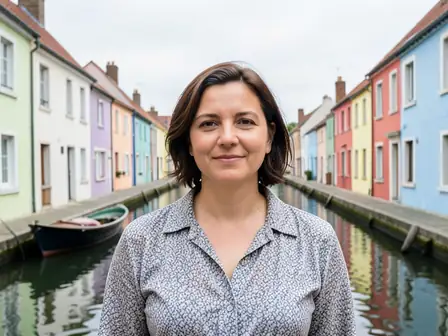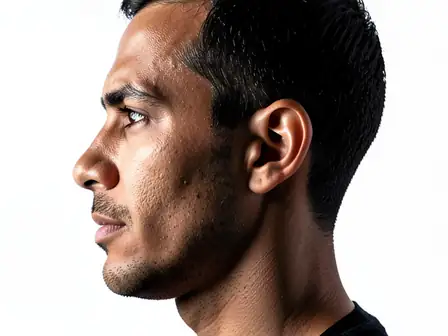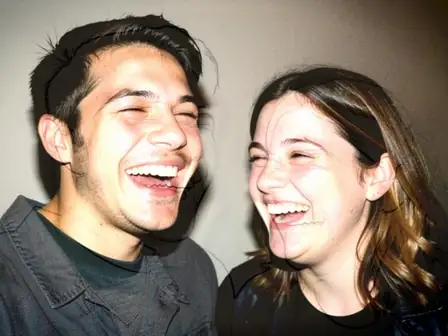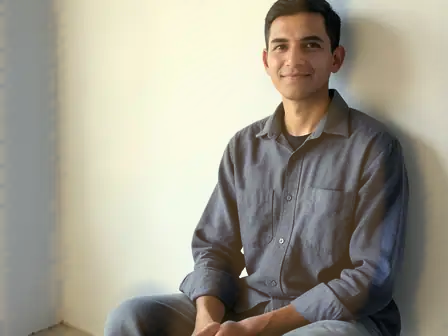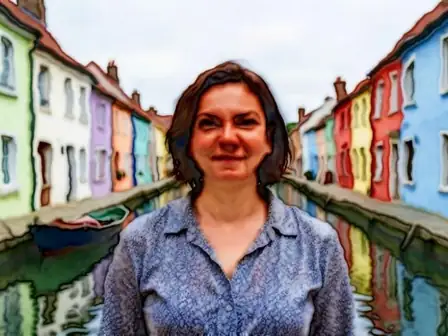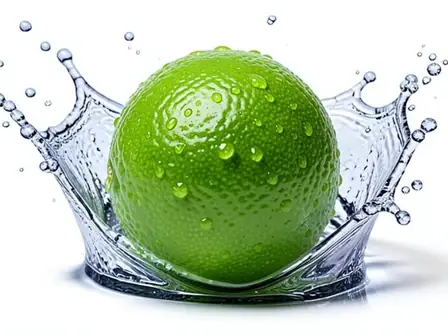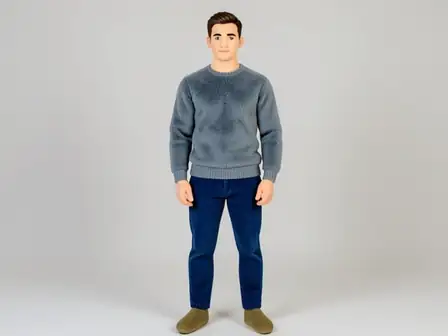
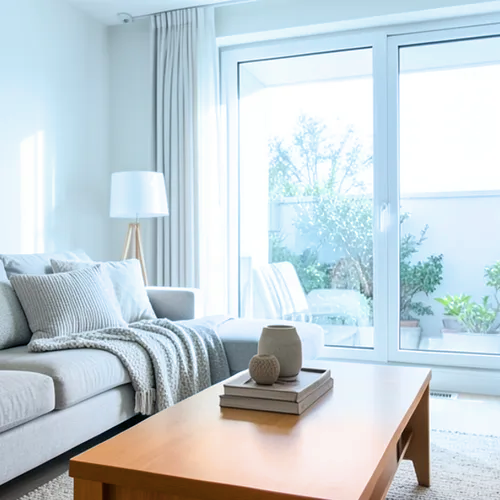

The same source image before and after applying Near–Far Split Tone.
Near–Far Split Tone applied to the same source image
Original source image before Near–Far Split Tone

Near–Far Split Tone Photo Filter Online

Apply source-aligned cool-far and warm-near color grading from model-estimated depth. Control the strength, compare the result, and download a finished image from your browser.

Upload a photo for the Near–Far Split Tone effect

What you can do with the Near–Far Split Tone effect

Review the available effect capabilities before you begin.

  • Apply the Near–Far Split Tone effect to any photo
  • Fine-tune the effect strength to taste
  • Preview your photo live as you edit
  • Download your edited photo in high quality
  • Apply Near–Far Split Tone to many photos at once

How it works

Near–Far Split Tone estimates relative—not measured—depth, normalises it from the 2nd to 98th percentile, and removes isolated speckles with a 3 × 3 median filter. It applies disjoint cool-far and warm-near color shifts in OKLab around a source-exact neutral middle band. Intensity directly scales the perceptual a/b color shift; lightness is not deliberately changed, and source-relative gamut compression restrains saturated pixels before they create new clipped RGB channels. At its working size, every output pixel uses only same-coordinate source RGB: no image content is moved, copied, spatially resampled, inpainted, or regenerated, framing stays fixed, and working-frame alpha stays byte-exact in the lossless PNG. Larger uploads can be proportionally resized first: the standard free limit is 800 pixels on the long side, and the depth service defaults to a 2048-pixel long side for remaining larger inputs.

Processing

Near–Far Split Tone uses an AI action. Any separate allowance is shown before this effect starts processing.

Best for

portraits with clear subject separation, cinematic stills, interiors, travel photography, products, and posters that benefit from restrained warm-near and cool-far color direction.

Less suited to: flat scenes, glass, mirrors, reflections, smoke, fine hair or foliage, overlapping surfaces, already saturated colors, and photographs where exact source color must remain unchanged; uncertain relative depth can tint the wrong surface without moving it.

Ways to use Near–Far Split Tone

    Near–Far Split Tone questions

    Can it move, duplicate, or reshape my subject?
    No. Within the prepared working frame, the renderer changes only the OKLab color axes of source RGB at that same coordinate. It never shifts, copies, spatially resamples, inpaints, or regenerates a face, arm, body, object, or background pixel, and alpha stays byte-exact in the lossless PNG. A mistaken depth estimate can color the wrong surface, but cannot deform anatomy.
    Can I reverse the warm and cool sides?
    No. The direction is deliberately fixed to warm-near and cool-far so the control stays predictable. Intensity changes only the strength of that real perceptual color shift; it cannot swap or reverse the two grades. Saturated pixels may receive a restrained shift because gamut compression protects them from newly clipped RGB channels.

    More Depth & Dimension effects

    Smart Refocus

    Depth & DimensionAdvanced AI

    Keep one automatically detected main subject sharp with clean depth-aware background blur

    Click to visit

    Tilt-Shift Diorama

    Depth & DimensionAdvanced AI

    Turn elevated streets and landscapes into miniature scenes with a clean depth-assisted focus band

    Click to visit

    Wigglegram 3D

    Depth & DimensionAdvanced AI

    Create a clean eight-frame depth loop with visibility-resolved parallax motion

    Click to visit

    Depth Anaglyph 3D

    Depth & DimensionAdvanced AI

    Create a comfort-capped red-cyan 3D view with depth-scaled bilinear reprojection

    Click to visit

    Crystal Refraction

    Depth & DimensionAdvanced AI

    Refract only the model-cleared background through bounded crystal facets while keeping the detected subject fixed

    Click to visit

    Parallax Cutout Poster

    Depth & DimensionAdvanced AI

    Build five broad source-aligned paper planes without duplicating people or objects

    Click to visit

    Topographic Depth Lines

    Depth & DimensionAdvanced AI

    Trace 18 clean source-aligned depth bands without moving people or objects

    Click to visit

    Paper Depth Diorama

    Depth & DimensionAdvanced AI

    Style the frame as up to seven source-aligned paper layers without duplicating people or objects

    Click to visit

    Atmospheric Depth Fog

    Depth & DimensionAdvanced AI

    Add source-aligned linear-light haze from model-estimated relative depth

    Click to visit

    Lensball World

    Depth & Dimension

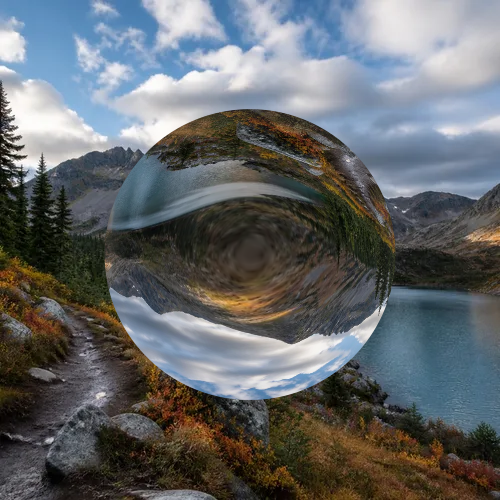
    Compress and invert the scene inside one bounded glass sphere while keeping every outside pixel fixed

    Click to visit

    Lenticular Depth Print

    Depth & DimensionAdvanced AI

    Interlace depth-shifted strips only across model-cleared background while keeping the detected subject fixed

    Click to visit

    See the featured effects in motion

    The strongest effect picks lead this belt before the rest of the catalog.